"Agentic Commerce Is Totally Overhyped" – Grocery TV CEO Makes the Case for In-Store Media Investment
At IAB Connected Commerce, Grocery TV CEO Marlow Nickell called agentic commerce overhyped and argued in-store retail media remains underinvested, citing an average 14% sales lift, 4.7x ROAS, and the fact that 90% of grocery transactions still happen in physical stores.

Key Takeaways
- Grocery TV's CEO declared agentic commerce "totally overhyped" at IAB Connected Commerce, redirecting attention to in-store media
- In-store retail media delivers an average 14% sales lift and 4.7x ROAS, with established programmatic buying and closed-loop measurement
- Major US retailers are deploying thousands of digital screens in 2026, with 97% of retail leaders actively investing in in-store media capabilities
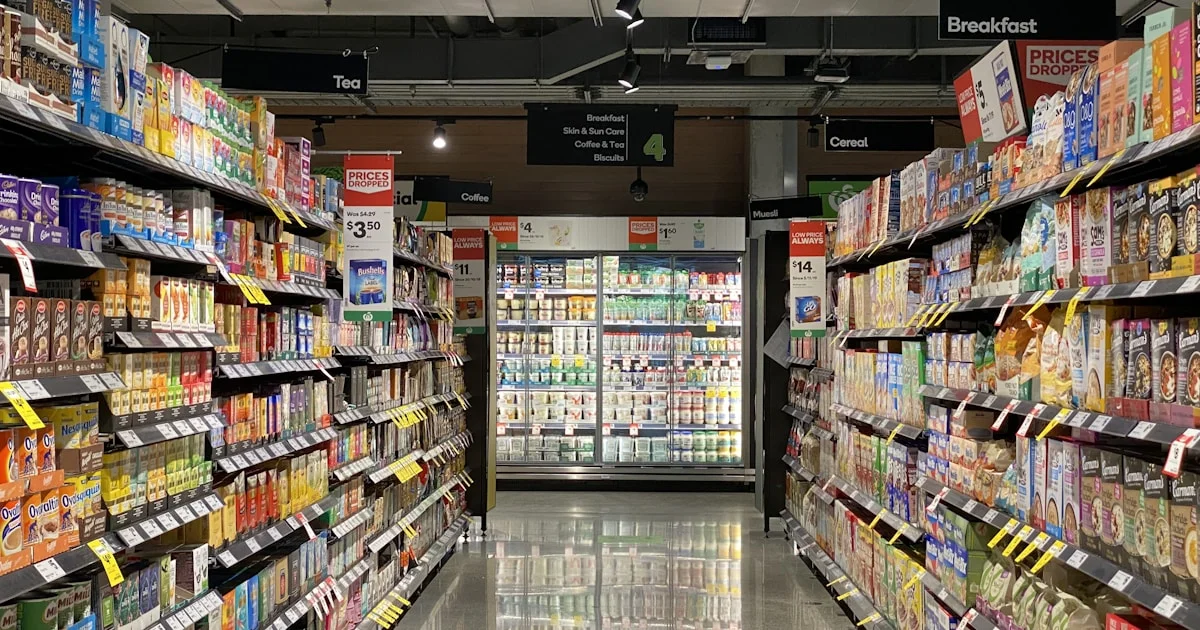
"Shopping Still Happens at the Supermarket"

The co-founder and CEO makes a blunt assessment of commerce media trends, pointing to consistent sales lift and scalable measurement as reasons to refocus on physical retail.
www.thedrum.comIn a spring 2026 conference season dominated by agentic commerce, one executive cut through the noise. On April 15, Grocery TV co-founder and CEO Marlow Nickell took the stage at the IAB Connected Commerce Summit and delivered a blunt verdict:
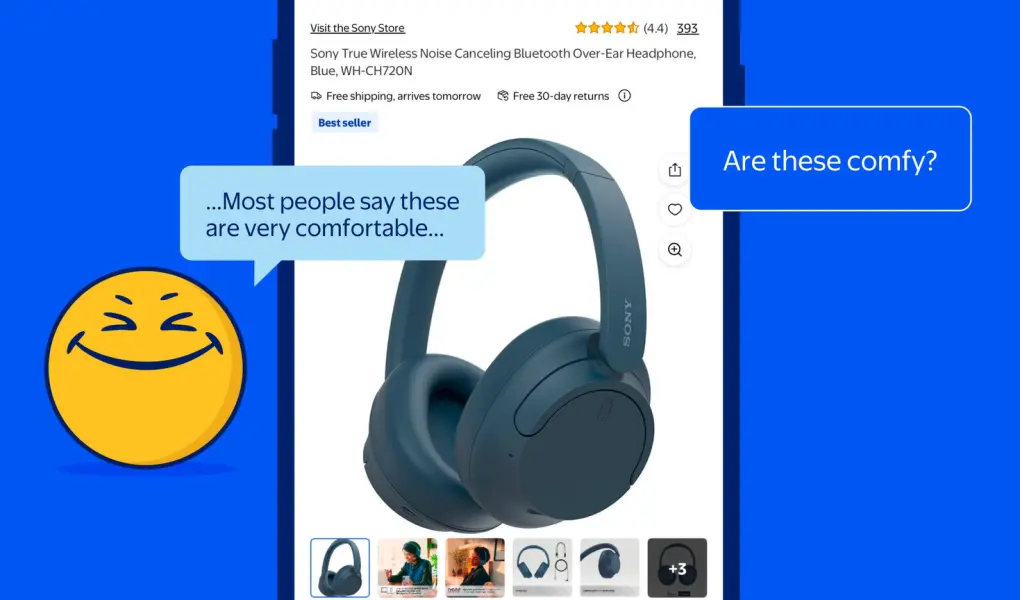
The agentic commerce stuff, I think, is totally overhyped.
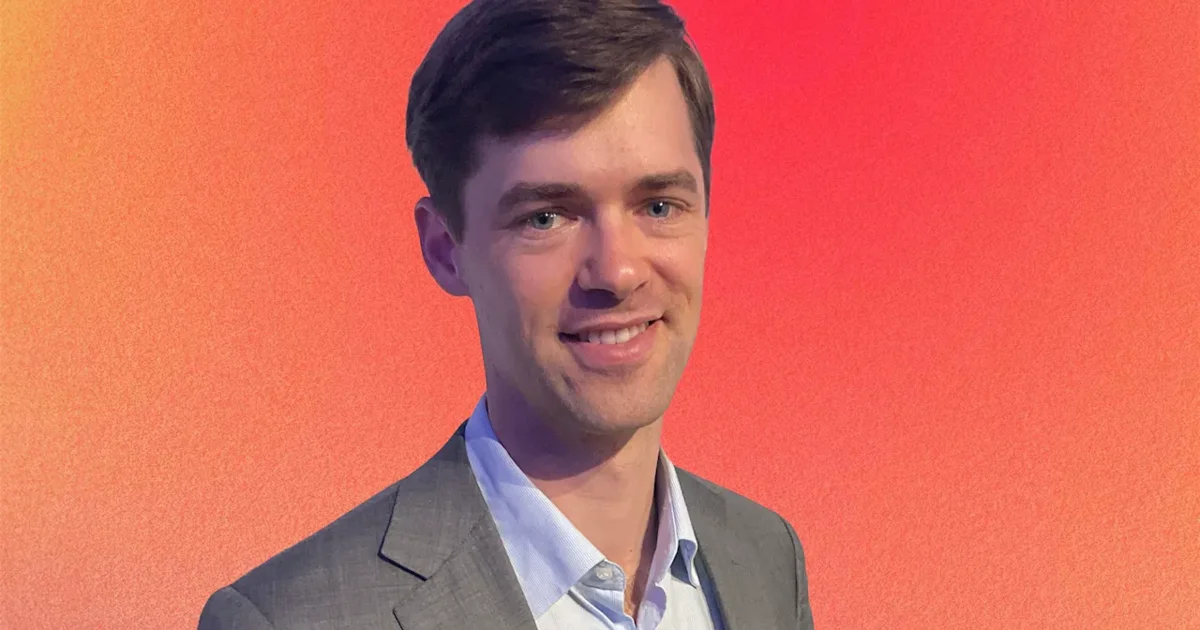
The weight of this statement comes from who is saying it. Grocery TV operates across 6,500+ stores with over 120 retail partners, reaching 1 in 4 Americans. Nickell was named to The Drum's Commerce Media Power 100, establishing him as a credible practitioner in the space.
His argument is deceptively simple: 90% of grocery transactions still happen in physical stores. Even during Covid-19 lockdowns, that ratio barely moved. Yet the industry's investment and attention remain skewed toward whatever sounds more digital, more futuristic. "People said when we started the company that no one was gonna shop in a grocery store in five years," Nickell recalled. That prediction never came close to materializing.
Dismantling the "Hard to Measure" Myth with Data
In-store media has long been underestimated due to three persistent misconceptions: measurement is difficult, buying is complex, and performance is unclear. Nickell addressed each head-on.
On measurement, he was almost dismissive of the premise. "Honestly, it's actually one of the more straightforward ones," he said. Grocery TV works with third-party measurement partners using exposed-versus-control methodologies, regression analysis, and store-level comparisons. In April 2025, the company launched the industry's first closed-loop measurement solution for in-store retail media, directly tying ad impressions to sales data. With Hy-Vee as its launch partner, the system recorded an average 4.7x ROAS for CPG brands.
Buying complexity is similarly overstated. Inventory is available programmatically through major DSPs, with managed-service options alongside. "It's really no different than any other media channel in terms of the actual transacting of it," Nickell said.
And the performance numbers speak clearly: Grocery TV campaigns consistently deliver an average 14% sales lift. Adding in-store media to campaigns increases reach by an average of 49% through incremental audiences.
Creative Quality and Internal Alignment Now Decide Winners
With measurement and buying barriers lowered, the differentiator has shifted. Nickell emphasized that the brands getting the most from in-store media are those that have resolved what he called "the harder internal conversations" — where in-store sits in the budget, who owns it, how it gets briefed, and how creative should be tailored to the environment.
Early adopters simply repurposed existing digital assets for store screens. Today's mature players produce creative purpose-built for specific zones, moments, and shopping missions. Discussing a holiday campaign with Mars, Nickell noted that outcomes exceeded expectations and fit a broader pattern. For Mars, checkout placement is an obvious fit. For other brands, it may not be. The point is not simply to appear in-store but to show up where product logic and the purchase moment align.
Retailers Are Deploying Screens at Massive Scale
Nickell's argument finds powerful confirmation in the capital expenditures of major US retail chains. According to Modern Retail, CVS Health is doubling its front-entrance screens from 500 to 1,000, while maintaining screens in pharmacy waiting areas across approximately 2,000 stores and digital end-caps in over 600 locations. Kroger is transitioning its Connected Stores program from pilot to national rollout, placing screens on end-caps, in frozen sections, and at store fronts. Hy-Vee has already installed over 10,000 screens across 400+ locations.
The numbers go beyond individual retailers. Coresight Research data shows 97% of retail sector leaders are actively investing in in-store retail media capabilities, with 87% planning to increase that investment over the next 24 months. In-store retail media's share of total retail media revenue is projected to grow from approximately 7.4% to 9.1% within 12 months.
Grocery TV itself expanded its retailer network by 33% over the past year and grew its team by 34%. The company added three senior executives, including Neil Murphy (formerly of Walmart Connect) as SVP of Retail Partnerships and Steve Sapp (formerly of NCM and GSTV) as SVP of Media Partnerships.
The "Overhyped" View Is Not an Isolated One
Nickell's skepticism about agentic commerce finds company. At the same IAB event, analyst Andrew Lipsman described agentic shopping as "a collective hallucination that people will shop this way". He pointed to the historical failure of buy buttons and noted that even subscriptions and Amazon Subscribe & Save have failed to make automated replenishment stick for most consumers.
Meanwhile, Bayer's Ryan Verklin predicted commerce would advance within retailer-native AI assistants like Amazon's Rufus, showing that industry opinion remains divided. Lipsman offered a useful frame: "Mobile was supposed to kill desktop. Social commerce was meant to kill e-commerce. Reality is they're usually additive."
Nickell's position is not anti-AI. It is a practitioner's objection to prioritizing futuristic vocabulary over the practical mechanics of where people actually buy things today.
Looking Ahead
For e-commerce operators with physical retail presence or brands pursuing omnichannel strategies, Nickell's argument demands a hard look at budget allocation. An average 14% sales lift, 4.7x ROAS, established programmatic buying, and 97% of retail leaders actively investing — these figures suggest in-store media is not an aging channel but an untapped growth area.
Preparing for agentic commerce and digitizing in-store experiences are not mutually exclusive. But with 90% of grocery purchases still happening in physical stores, the balance between investing in tomorrow's channel and optimizing today's deserves serious reconsideration. The future of commerce, it turns out, still looks a lot like a supermarket aisle.