ChatGPT Shopping Deep Dive: From Instant Checkout to Discovery Focus (2026)
Where ChatGPT Shopping stands in 2026. The repositioning of Instant Checkout, the three product data routes (Feed/API/Web crawl), and what merchants should prioritize.


Key Takeaways
- ChatGPT Shopping launched November 2024 and pivoted in March 2026 toward discovery and comparison, with payment on merchant sites.
- With 300M+ weekly users, ChatGPT is starting to replace Google for budget-driven and natural-language product comparison.
- For merchants, the priority is product data quality and structured data, not Instant Checkout integration.
ChatGPT Shopping Pivoted — and Merchants Need to Pivot With It
ChatGPT's shopping capability has seen one of the sharpest pivots of any agentic commerce feature. It began in November 2024 as a conversational product surfacing experience, added Instant Checkout via Stripe and Shopify in spring 2025, then reversed course in March 2026 to focus on discovery and hand payment back to merchants.
This article catches up on where ChatGPT Shopping actually is today and what merchants should do. For the protocol landscape see the agentic commerce protocols guide, and for the fundamentals see what is agentic commerce.
Where ChatGPT Shopping Is Now — Discovery-First
At launch in November 2024, OpenAI framed ChatGPT Shopping as "ad-free product discovery." Users would describe what they needed — "winter hiking boots, under $200, waterproof" — and ChatGPT would surface several options with images. Clicks led out to merchant sites where users checked out normally.
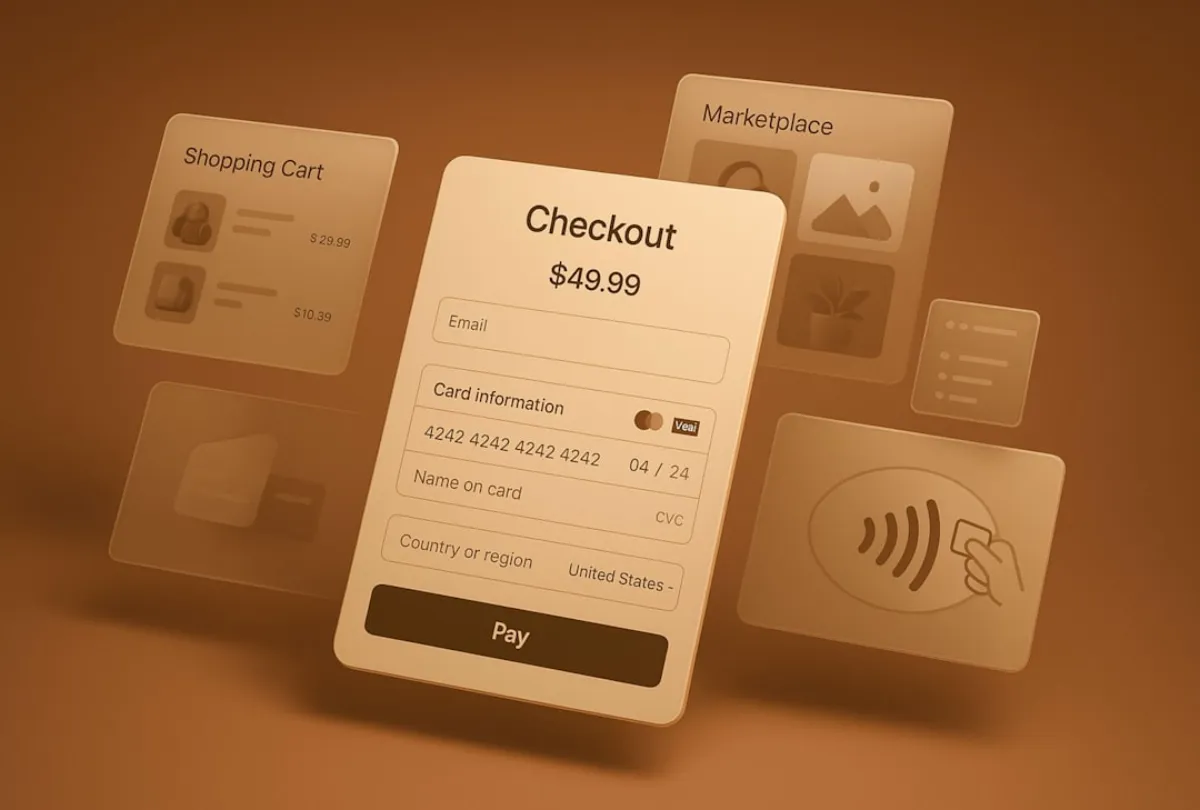
In spring 2025, Instant Checkout arrived via a Stripe partnership. Users could complete purchases from the ChatGPT conversation without leaving, powered by the newly drafted Agentic Commerce Protocol (ACP). OpenAI signaled ambitions to expand the list of integrated merchants aggressively.
In March 2026, OpenAI rebalanced ACP. Instant Checkout remains for some merchants, but the main thrust shifted back to discovery and comparison, with checkout returning to merchant sites. The reasoning: merchant POS, inventory, and tax system integrations turned out to be heavier than anticipated, making a unified checkout impractical at scale. See our OpenAI ACP deep dive for the full context.
How Products Get Picked — Three Data Routes
When ChatGPT surfaces products, three data routes are working together behind the scenes.
The first is the OpenAI Shopping Feed — merchants submit structured product data directly to OpenAI, analogous to Google Shopping Feed. Titles, descriptions, prices, inventory, images, and variants feed straight in. ChatGPT prioritizes this data when available.
The second is direct partner API queries. Shopify's Storefront MCP and similar plugin-style mechanisms let ChatGPT hit merchant systems for real-time inventory and pricing. Freshness is unbeatable, but it requires merchant-side integration or being on a platform that provides it.
The third is Web search crawling. ChatGPT's Web search reads ordinary merchant pages and parses JSON-LD structured data to enter products into the candidate pool. Merchants without feeds or APIs can still be picked up if their structured data and product pages are solid.
None of the three is strictly dominant. ChatGPT blends them depending on the query and presents the best list it can. The practical takeaway for merchants is to make sure at least one of the three routes reliably surfaces their catalog.
The Difference from Keyword Search
What really separates ChatGPT Shopping from Google or Amazon search is the ability to concretize vague queries. "A tent for next weekend's camping trip, around $100, easy to pitch for a beginner" gets decomposed into criteria, and ChatGPT compares several options and recommends one.
This flow was always awkward in keyword search. Google would return article pages and comparisons that require further clicks; Amazon offers filters but expects you to know the vocabulary. In ChatGPT, a follow-up like "got anything a bit lighter?" narrows the list in the same conversation.
Multiple surveys show US 18–34 users increasingly starting product search with ChatGPT rather than Google through late 2025 and into 2026. Google isn't being replaced wholesale, but the first step of a shopping journey is visibly shifting.
Three Priorities for Merchants
What merchants should actually do to get picked up by ChatGPT is refreshingly simple.
First, submit an OpenAI Shopping Feed. This is the most direct route. Shopify and other major platforms offer native integrations. Independent stores need to generate the feed themselves, but most can repurpose their existing Google Shopping Feed template.
Second, enrich product-page structured data. Embed Product, Offer, Review, and AggregateRating JSON-LD. This dramatically improves the odds of being picked up through the Web-crawl route, and it doubles as traditional Google SEO investment.
Third, raise the quality of product information itself. Titles, descriptions, images, variant details, size guides, and reviews. Because ChatGPT compares multiple products before recommending one, catalogs with rich justification data win. For deeper tactics, see the merchant section of agentic shopping.
Instant Checkout integration has dropped in priority after the ACP pivot. OpenAI may expand it again, but building on the assumption that checkout happens on the merchant site is the safe bet for now.
Conclusion — A Discovery Channel
ChatGPT Shopping has corrected course from the ambitious "everything in the conversation" vision to a more realistic discovery and comparison channel. The correction is net-positive for merchants: implementation burden collapsed, and the leverage points are now the same catalog quality and structured data investments that pay off everywhere else.
With 300M weekly active users, ChatGPT as a product discovery front-door matters a lot — and the merchant playbook is back to classic data-quality investment. For the wider landscape, see the AI shopping assistants comparison.