AI Commerce News Digest (March 12, 2026)
Meta completes Moltbook acquisition for agentic web commerce, Walmart AI assistant users spend 35% more, agentic commerce infrastructure accelerates across payment, authentication, and protocol layers.


Key Takeaways
- Meta completes Moltbook acquisition, building the foundation for agentic web commerce
- Walmart AI assistant users spend 35% more, as confirmed by the CEO
- Agentic commerce infrastructure accelerates across payment, authentication, and protocol layers
Today's Top Stories
Meta Completes Moltbook Acquisition, Enters Agentic Web Commerce in Earnest
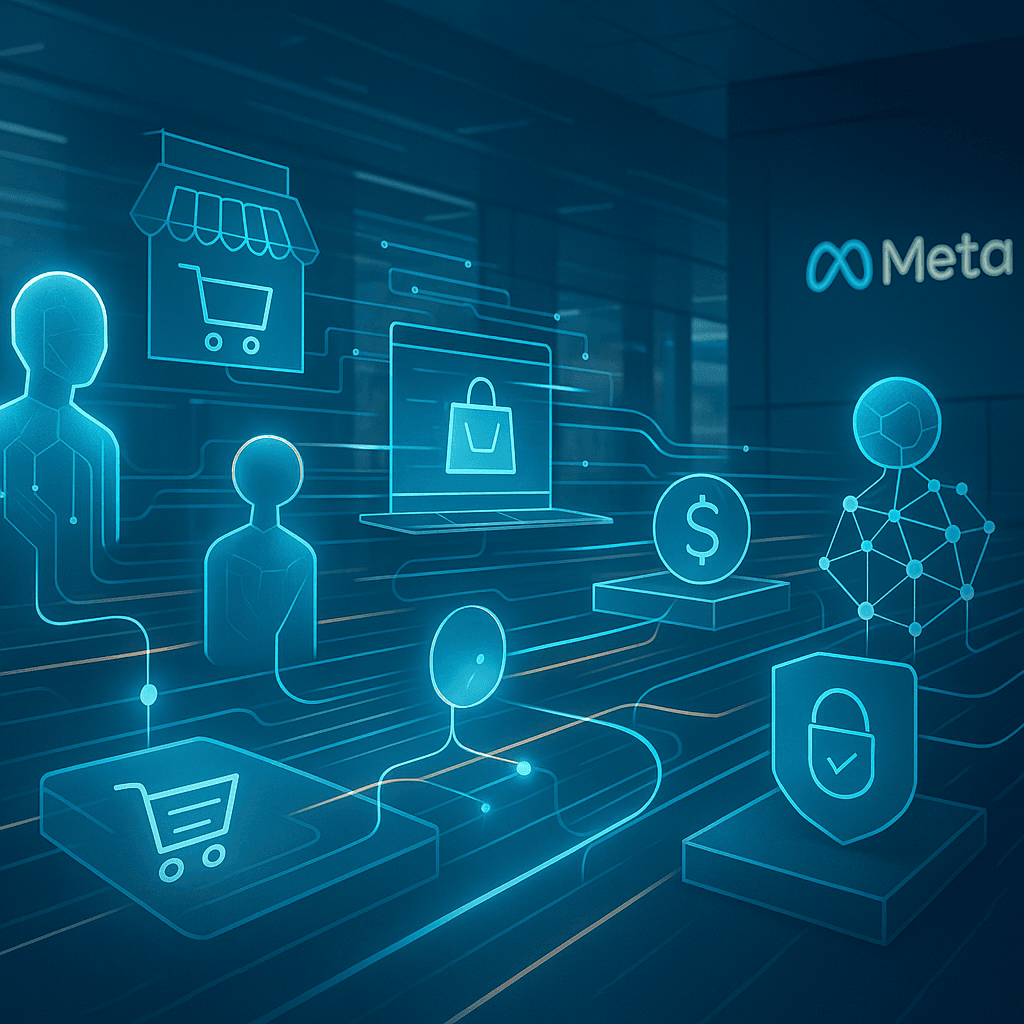
Meta acquires Moltbook to position for AI agent-driven commerce revolution
www.techbuzz.aiOn March 11, Meta officially completed its acquisition of open web technology company Moltbook. TechCrunch analyzed that "Meta didn't buy Moltbook for bots — it bought the foundation for the agentic web."
Moltbook specializes in technology that converts structured data on web pages into formats that AI agents can efficiently read. This technology enables AI agents to analyze product information and inventory status on websites in real time and make purchasing decisions on behalf of users.
By combining this with Meta's user base of over 3 billion people across WhatsApp, Instagram, and Facebook, AI agent-driven commerce experiences on social media are becoming a reality. Following Google, Amazon, and Apple, BigTech companies are accelerating their entry into agentic commerce.
Read more: Meta Acquires Moltbook — A Strategic Move Toward Agentic Web Commerce
Walmart AI Assistant Users Spend 35% More

Walmart CEO reveals AI assistant users spend 35% more, signaling major shift in retail AI strategy
www.cdomagazine.techWalmart's CEO revealed that customers using the company's AI assistant feature spend an average of 35% more than non-users. This concrete figure demonstrating AI commerce ROI is making a significant impact across the industry.
The AI assistant provides personalized product recommendations, shopping list optimization, and repeat purchase suggestions. Walmart's e-commerce sales surpassed $150 billion in 2025, and AI adoption is accelerating that growth.
The fact that a major retailer has demonstrated specific returns on AI investment provides a valuable benchmark for other retail companies considering AI assistant implementation.
Read more: Walmart AI Assistant "Sparky" Users Spend 35% More
Agentic Commerce
Mastercard Strengthens Agentic Commerce and Adds Crypto Network
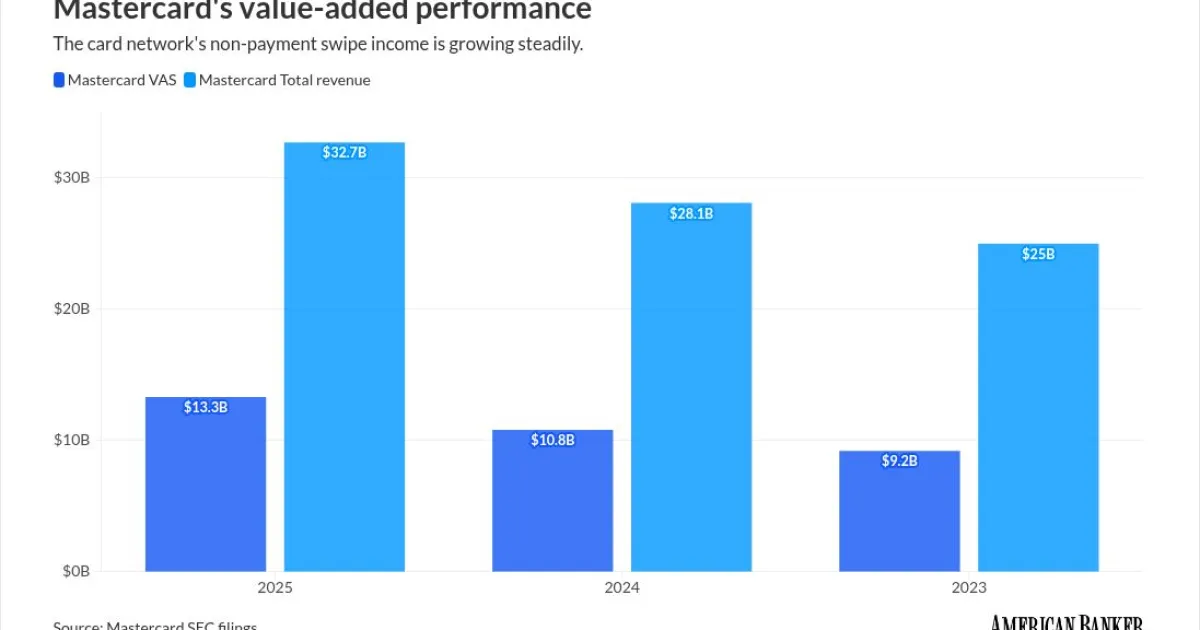
Mastercard is expanding its agentic commerce capabilities while adding a new cryptocurrency network
www.americanbanker.comFollowing its recently announced Agent Suite, Mastercard has unveiled expanded agentic commerce capabilities and cryptocurrency network integration. The company plans to combine authentication and authorization flows for autonomous AI agent payments with cryptocurrency payment options.
By incorporating cryptocurrency as a payment method alongside traditional card payments, payment flexibility in agentic commerce will significantly improve. Cross-border transactions in particular are expected to benefit from reduced fees and faster processing through crypto payments.
Agentic Commerce Poses Revolutionary Changes for Industry Professionals

Predictive AI, autonomous decision-making and experience-led stores are reshaping merchandising, labor, and loyalty as retailers move beyond omnichannel
massmarketretailers.comFashionNetwork has published a detailed report on the revolutionary changes that fashion and retail industry professionals face from agentic commerce. As AI agents automate the entire journey from product discovery to purchase, a fundamental rethinking of traditional merchandising and marketing strategies is required.
In particular, brands that have relied on SEO and listing ads face an urgent need to shift toward structured data optimization for AI agents (AEO: Agent Engine Optimization). A paradigm shift is underway across the industry — viewing not only human consumers but also AI agents as customers.
Paris-Based Lemrock Raises €6M to Become the "Stripe" of Agentic Commerce

Lemrock aims to build the Stripe of agentic commerce, providing payment and commerce infrastructure for AI agents
thenextweb.comParis-based startup Lemrock has raised €6M in seed funding to build payment and commerce infrastructure for agentic commerce. The company aims to establish itself as the Stripe equivalent for AI agent-driven commerce.
Lemrock's platform provides API infrastructure that enables AI agents to seamlessly search, compare, purchase, and return products. As a European agentic commerce infrastructure company, it seeks to carve out a unique position in a market where U.S. players have taken the lead.
Read more: Paris-Based Lemrock Raises €6M to Build Commerce Infrastructure for the AI Agent Era
Coinbase-Backed AI Payment Protocol Tackles Agentic Commerce Challenges

Agentic commerce holds promise, but data shows that x402 is still in the trial phase
www.coindesk.comA new Coinbase-backed AI payment protocol is working to solve the payment challenges in agentic commerce. The protocol aims to provide reliable payment authentication and fraud prevention mechanisms for autonomous transactions between AI agents.
In current agentic commerce, there is a fundamental challenge around "who" authorizes payments and "with what authority." This protocol leverages blockchain technology to build trust relationships between agents and create a payment layer that handles everything from micropayments to large-scale transactions.
Read more: Coinbase-Backed x402 Protocol Tackles Payment Challenges in Agentic Commerce
Global E-Commerce Trends
Quince Raises $500M, Reaching $10B Valuation

Quince, the direct-to-consumer brand known for factory-direct pricing, has raised $500 million in a Series E round
techcrunch.comDTC (factory-direct) brand Quince has raised $500M in a Series E round led by Iconiq Capital, reaching a $10B valuation. This is one of the largest funding rounds in e-commerce for 2026.
Quince's factory-to-consumer direct shipping model offers high-quality products at 50-80% below existing brand prices. Its supply chain innovation that eliminates intermediary margins has been highly valued, fueling rapid growth. As a new DTC success story, it is likely to influence the broader retail industry.
Read more: DTC Factory-Direct Brand Quince Raises $500M, Reaching $10B Valuation
South Korea Tightens E-Commerce Regulations on Overseas Platforms

South Korea tightens e-commerce rules on overseas platforms with doubled penalties for repeat violations
www.shopifreaks.comSouth Korea has significantly tightened regulations on overseas e-commerce platforms. Penalties for repeat violators will be doubled, and restrictions on personal data collection have been strengthened.
This response comes in the wake of rapid growth by Chinese e-commerce platforms such as Temu, SHEIN, and AliExpress, with the aim of protecting consumers and ensuring a fair competitive environment for domestic businesses. The KFTC (Korea Fair Trade Commission) is leading the effort to establish rules for cross-border e-commerce.
MercadoLibre Plans $3.4B Investment in Argentina for 2026

MercadoLibre announces $3.4 billion investment plan in Argentina for 2026
www.indexbox.ioLatin America's largest e-commerce platform MercadoLibre has announced a $3.4B investment plan in Argentina for 2026, allocating funds to logistics infrastructure, fintech, and technology development.
Argentina is MercadoLibre's birthplace, making this a strategic investment to boost the country's digital economy. With e-commerce penetration still relatively low across Latin America, this early-stage investment aims to strengthen long-term market dominance.
Inditex (Zara Parent Company) Reports 4.8% Sales Growth, E-Commerce Reaches 26% of Sales

Inditex reports sales growth of 4.8% with e-commerce now representing 26% of total sales
retailtimes.co.ukZara parent company Inditex reported earnings showing 4.8% year-over-year sales growth. Notably, e-commerce now accounts for 26% of total sales, demonstrating the success of its omnichannel strategy.
The steady expansion of e-commerce share by a global fashion leader indicates that the integration of physical stores and online retail continues to deepen. Inditex is accelerating technology investments including unified store and online inventory management and improved inventory accuracy through RFID technology.
Business Developments and Partnerships
Amazon Opens Shop Direct to Other Retailers

Amazon is widening access to Shop Direct, a program that surfaces products from outside retailers and allows customers to buy directly
www.findarticles.comAmazon has announced it will open its "Shop Direct" program to external retailers. Shop Direct is a system that displays products from non-Amazon retailers on the Amazon platform, allowing customers to purchase directly.
By broadly opening this program — previously limited to select partner companies — Amazon will further expand its marketplace assortment. For sellers, it represents a new channel to leverage Amazon's massive traffic. At the same time, this move can be seen as Amazon strengthening its position as a "platform of platforms."
Read more: Amazon Opens Shop Direct to External Retailers
Eddie Bauer to Close 175 Stores and Shift to E-Commerce Only

The stores in 44 US states will close due to a lack of qualified bidders to take over the leases
mr-mag.comOutdoor apparel brand Eddie Bauer has announced it will close 175 stores across 44 U.S. states and transition to an e-commerce-only model. The direct cause was the inability to find qualified bidders to take over the leases.
This complete shift from physical retail to e-commerce marks a significant turning point in the retail industry. The Eddie Bauer brand aims to maintain its brand value while reducing fixed costs by focusing on online sales. As the DTC trend accelerates, this case offers important lessons for retailers with physical store footprints.
Logistics and Fulfillment
Ocado Pivots to Store-Based E-Commerce Fulfillment Automation
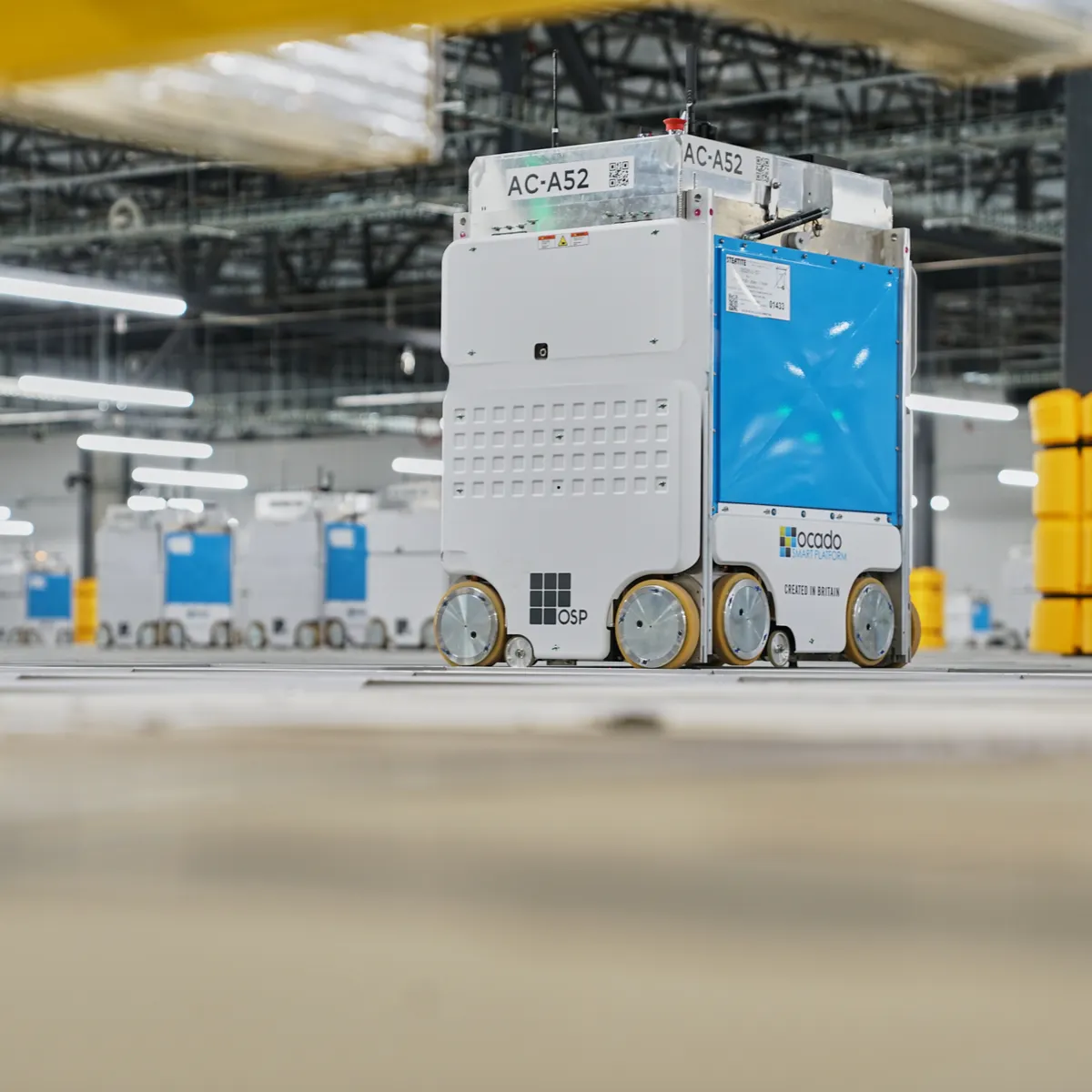
Ocado is pivoting to store-based automation for e-commerce fulfillment, bringing its robotics technology to retail stores
www.grocerydive.comUK grocery e-commerce technology company Ocado is shifting its strategy from large dedicated warehouses to store-based automated fulfillment. The company is deploying its proprietary robotics technology in retail stores to enable efficient picking and packing for e-commerce orders.
While dedicated fulfillment centers are costly to build and slow to deploy, leveraging existing stores allows for faster and more cost-effective expansion. This approach is attracting attention as a new solution to the "last mile problem" in grocery e-commerce.
Outpost Raises $17.5M to Expand AI Cross-Border E-Commerce Platform

Outpost raises $17.5M Series A to simplify global commerce with AI-powered cross-border infrastructure
ventureburn.comCross-border e-commerce enabler Outpost has raised $17.5M in a Series A round. The company provides a platform that uses AI to automate the complex operations of cross-border e-commerce, including customs calculations, regulatory compliance, and logistics optimization.
While the cross-border e-commerce market reaches trillions of dollars annually, the complexity of customs and regulations remains a significant barrier to entry. Outpost is solving these challenges with AI, creating an environment where even small and medium-sized businesses can easily expand into global sales.
Summary
Today's news clearly shows that agentic commerce infrastructure is rapidly transitioning from the "concept" phase to the "implementation" phase. From Meta's Moltbook acquisition and Mastercard's Agent Suite expansion to the emergence of Lemrock and the Coinbase-backed protocol, foundation-building is progressing across payment, authentication, and data access layers — from BigTech to startups.
Meanwhile, the data showing Walmart AI assistant users spending 35% more is an important indicator that AI commerce has entered a stage where it delivers concrete business results. Transformations in e-commerce business models continue as well, with Eddie Bauer closing all stores to go e-commerce-only and Quince reaching a $10B valuation.
Going forward, watch for the specific product rollout of Meta's Moltbook integration and further details on how Mastercard will combine its cryptocurrency network with agentic commerce capabilities.