Mondelez Overhauls $3.5B Digital Commerce Strategy for the AI Search Era
Global CPG giant Mondelez unblocked AI bot crawlers and rebuilt structured product data, boosting Oreo's chatbot recommendation rate from 10% to 70%. A deep dive into their agentic commerce strategy.


Key Takeaways
- Mondelez is overhauling its $3.5 billion digital commerce business for AI search and agentic commerce
- After unblocking AI bot crawlers, Oreo's chatbot recommendation rate surged from 10% to 70%
- The company projects 20–30% of Mondelez product purchases will happen via AI agents within 1–2 years
Oreo's Recommendation Rate: From 10% to 70%

Mondelez is aggressively shifting its digital commerce strategy to optimize for AI, ensuring brands like Oreo dominate agentic search.
digiday.comAsk a chatbot "what's a good cookie?" and Oreo — the world's most recognizable cookie brand — had only a 10% chance of being recommended. In the AI world, Oreo was essentially invisible.
According to Digiday's report, Mondelez's VP of Global Digital Commerce, Andrew Lederman, traced the problem to its source. The company had been blocking AI bot crawlers from its websites for IP protection purposes. AI systems simply couldn't collect product information. After unblocking the crawlers and building out structured data, Oreo's recommendation rate for specific cookie queries jumped to 70%, with broader snack-related searches reaching 30%.
Why CPGs Are Racing to Optimize for AI Search
Behind this rapid pivot lies an urgent signal from the retail industry. Mondelez's retail partners project that 30% of their site traffic will come through agentic channels by 2028. This isn't a future scenario — the shift in traffic patterns is happening right now.
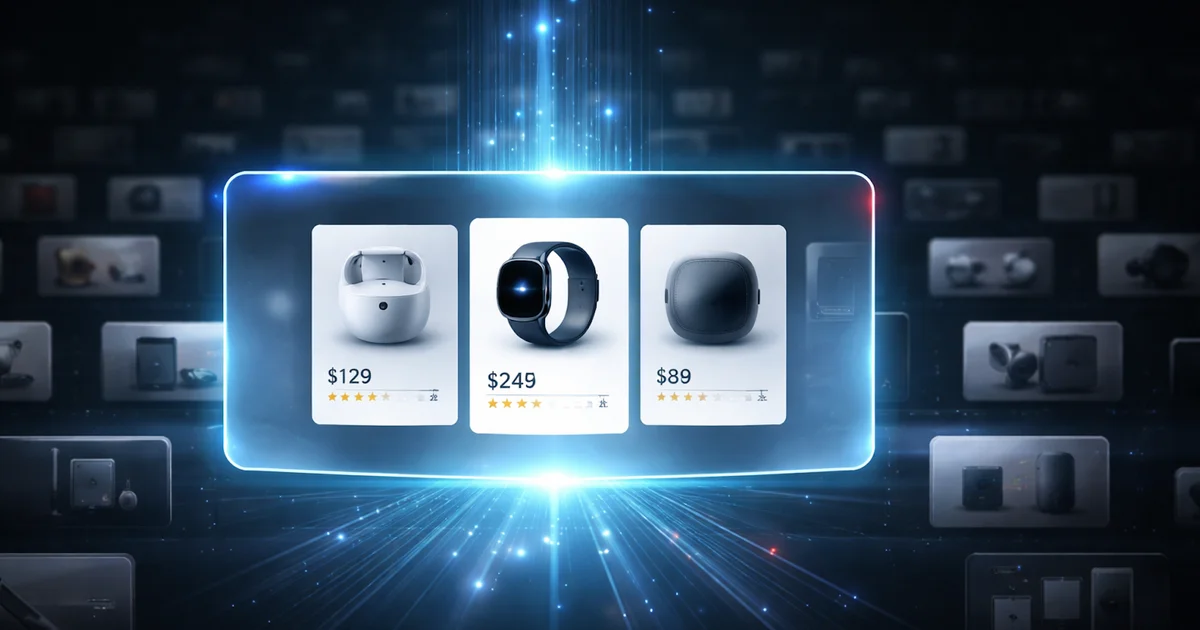
NielsenIQ's analysis suggests agentic commerce could capture 10–20% of the US ecommerce market by 2030, equivalent to $190–385 billion. Google Cloud has also introduced the concept of the "invisible shelf", urging CPG companies to "treat product data as your new packaging."
Traditional SEO optimization and retail media investments were built on the assumption that humans browse. In a world where AI agents evaluate and recommend products, the quality of structured product data determines shelf placement.
Mondelez's Three-Pillar Strategy
Lederman's transformation rests on three pillars.
First, building consistent, structured product data across brand sites and earned media. Clean sitemaps, proper robots.txt files, fast page loads, and machine-readable content. "If they can't crawl our site, nothing else matters," Lederman states bluntly. Mondelez started by opening its own sites to AI crawlers, then moved to ensuring consistency of product information across third-party media.
The second pillar is scaling AI-native content. Oreo was previously cited only for direct searches like "cookies" or "snacks." Now the company is expanding content so AI recommends Oreo for indirect queries like "party prep ideas" or "kids' lunchbox inspiration." The key insight here is a fundamental shift in thinking — structuring information not as ad copy for humans, but in formats that AI can understand contextually and cite.
The third pillar is building measurement frameworks as a performance marketing channel. Instead of traditional click-through rates and impressions, Mondelez now tracks "visibility," "citation rate," and "sentiment" across AI chatbots as primary KPIs.
Implications for Ecommerce Merchants
Lederman expects 20–30% of Mondelez product purchases to happen through agents within the next one to two years. The company is already exploring instant checkout from AI agents and LLM integration within retail media as next steps.
The takeaways for ecommerce merchants are clear. Start by verifying whether your site is accessible to AI crawlers. Check if robots.txt is blocking them and whether structured data (Schema.org, etc.) is properly implemented — these are top priorities.
Beyond that, product data management needs to be elevated from "the SEO team's job" to "a core business strategy." If the data AI agents use for comparative decisions — shipping terms, return policies, inventory status, ingredient information — remains ambiguous, your products will be skipped before any human ever sees them.
Summary
The lesson from Mondelez is straightforward: brands invisible to AI will become invisible to consumers. Even a global CPG company with a $3.5 billion digital commerce business had to start with the basics — unblocking AI bots. Oreo's dramatic improvement from 10% to 70% recommendation rates proves that results follow quickly once the right data foundation is in place. The agentic commerce wave is no longer just a CPG challenge — it's a structural shift confronting every ecommerce business.