AI Agents Now Drive 10% of Revenue for Some Brands -- Is Yours Invisible to Them?
A Fortune op-ed reveals the current state of agentic commerce. In an era where traditional SEO alone is no longer enough, we explore the strategies brands need to become 'visible' to AI agents.


Key Takeaways
- Limy CEO Aviv Shamny reveals in a Fortune op-ed that some brands already attribute 10% of their revenue to AI agent channels
- 88% of URLs cited by AI tools do not overlap with Google's top 10 results, making traditional SEO alone insufficient to remain visible to AI
- Major retailers like Target, Walmart, and Etsy are investing in agent readiness, with ChatGPT referral traffic surging rapidly
The Death of the Front Door -- AI Agents Are Seizing the Point of Purchase

I'm a 28-year-old founder, tracking nearly a billion agent interactions. Here's why the $1 trillion agentic commerce shift isn't coming -- it's here.
fortune.comOn March 29, 2026, Aviv Shamny, co-founder and CEO of AI agent analytics platform Limy, published an op-ed in Fortune. Having tracked nearly a billion agent interactions, Shamny reveals that some brands are already attributing 10% of their revenue to AI agent channels, from first prompt to final transaction.
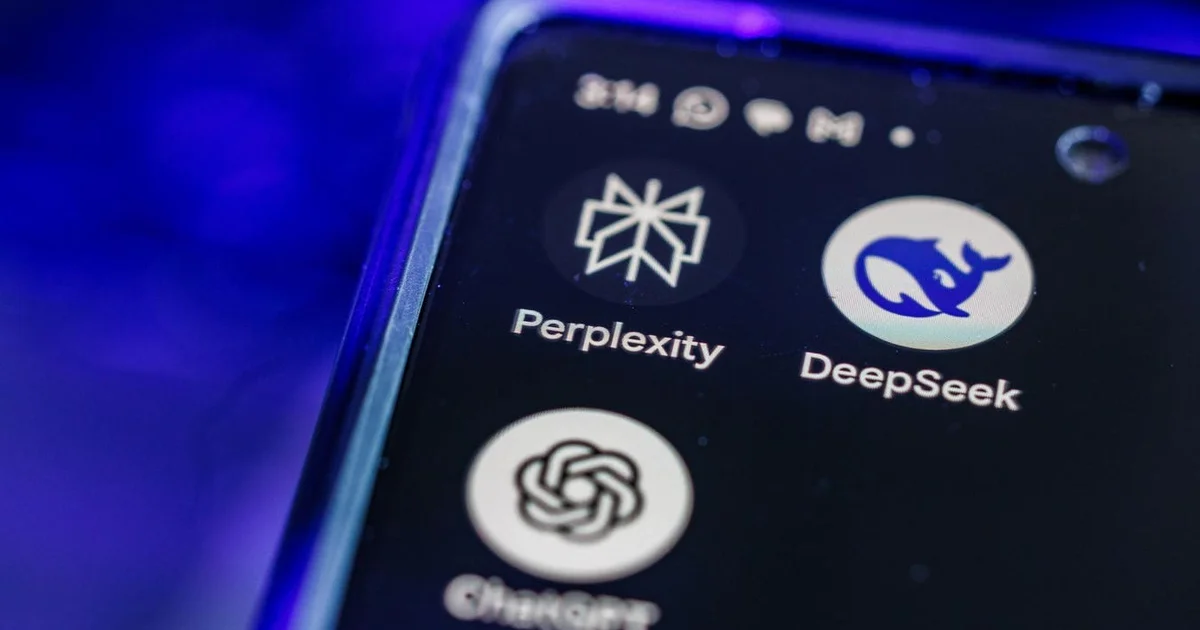
The core insight Shamny highlights is "the death of the front door." The shopping journey once had a clear entry point: platform visibility, ad spend, search rankings. All of it depended on a shopper arriving somewhere before they could buy anything. But today, when consumers ask ChatGPT, Gemini, Claude, or Perplexity for a product recommendation, AI agents decide which products to surface and which remain invisible. There are no sponsored listings, no search rankings, no destination.
McKinsey projects that agentic commerce will drive up to $1 trillion in US retail revenue by 2030, but Shamny's argument is clear: this is not a future projection -- it is already happening.
The Limits of Traditional SEO -- 88% of AI-Cited URLs Have No Google Overlap
One of the most striking aspects of this article is the data showing the disconnect between AI agents and traditional search engines.
According to Ahrefs research, only 12% of URLs cited by AI tools overlap with Google's top 10 search results. Furthermore, Semrush's analysis of 80 million clickstream records found that 90% of sources cited by ChatGPT did not even appear in Google's top 20 pages.
The average citation overlap between AI assistants and Google and Bing's top 10 stands at just 11%. AI assistants appear to query search indexes in a fundamentally different way.Source: Ahrefs Research
The root cause of this disconnect lies in how AI assistants search. Ahrefs' research reveals that AI assistants use a technique called "query fan-out," retrieving pages based on multiple variations of a query rather than a single query. This means that ranking first for a single keyword does not guarantee a spot on an AI agent's recommendation list.
Major Retailers Accelerate Agent Readiness
Supporting Shamny's observations, major retailers are rapidly adapting to AI agents.
According to Modern Retail, ChatGPT now accounts for 20% of Walmart's referral traffic, with 15% month-over-month growth. Etsy also sees over 20%, Target approximately 15%, and eBay 10%, making ChatGPT a top-tier referral source for major retailers.

ChatGPT has emerged as a top driver of referral traffic to retailers' websites, giving big companies like Walmart and Target new shoppers.
www.modernretail.coAmazon's strategy is particularly notable. Amazon has blocked AI crawlers from scraping its site, causing ChatGPT referral traffic to drop below 3%. Instead, it is investing in its own AI chatbot, Rufus. However, independent analyst Juozas Kaziukenas notes this has "pulled 600 million product listings off the agentic shopping shelf." Meanwhile, Walmart CTO Hari Vasudev told the Wall Street Journal that he expects the industry to adopt common standards allowing third-party shopping agents to interact directly with retailers' systems.
A Practical Playbook for Becoming Visible to Agents
Shamny outlines a concrete playbook for winning in the age of AI agents.
1. Audit how agents see you. Tools now exist to simulate how LLMs crawl and interpret your site. Most brands are shocked by the gaps, according to Shamny.
2. Structure content for agents, not just SEO. This means FAQs, specific use cases, and precise answers to real user queries -- not keyword-stuffed landing pages. The format must be one that LLMs can easily extract and cite from.
3. Own your external citations. AI models heavily weight sources like Reddit and Wikipedia. Brands need to understand how they are referenced on these platforms and actively shape that narrative.
4. Build machine-readable product data. APIs, structured schemas, and clean product feeds are the new storefront. Compatibility with agent-ready protocols like OpenAI's UCP (Universal Commerce Protocol) and Google's ACP is essential for building the execution layer.
As proof, one of Shamny's robotics clients achieved a 94% increase in agentic visibility in just four months by restructuring content for AEO (Answer Engine Optimization). The original content was engaging for human readers but lacked the structured formatting that LLMs rely on to extract and cite information.
Why E-Commerce Businesses Must Act Now
An Adobe study found that nearly half of US consumers use TikTok as a search engine, and 14% already rely on ChatGPT over Google. The leap from "search and click" to "ask an agent and approve" is happening far faster than most brands realize.
Shamny predicts that within the next 12 months, we will see the mainstreaming of B2A (Business to Agent) marketing, the acceleration of consumer purchase delegation, and the emergence of agent-to-agent networks where agents learn from each other's successful transactions to make better recommendations.
The next decade of commerce will not be won by brands with the best websites or the highest Google rankings. It will be won by brands that machines understand, trust, and recommend. Adapting to agentic commerce is not a someday challenge -- it is a business decision for today.