ByteDance's Doubao AI Assistant Integrates Douyin E-commerce for In-App Purchases
ByteDance's Doubao AI assistant integrates Douyin e-commerce, enabling seamless in-app ordering and payments. Analysis of China's AI-driven commerce competition.


Key Takeaways
- ByteDance's AI assistant Doubao is internally testing Douyin e-commerce integration, enabling in-app ordering and payments
- With 145 million peak DAU, Doubao's move into commerce marks a new phase in China's AI shopping race
- The "one-sentence shopping" concept signals that e-commerce businesses must urgently optimize product data for AI agents
ByteDance Integrates Douyin E-commerce into Doubao

Doubao is testing in-app shopping via Douyin e-commerce, enabling seamless AI-driven purchases without leaving the app.
pandaily.comOn March 30, 2026, ByteDance's AI assistant "Doubao" began integrating e-commerce services from Douyin (the Chinese version of TikTok), allowing users to place orders and complete payments directly within the Doubao app without switching to Douyin. The feature is currently in internal testing.
According to Pandaily's report, Doubao updated its privacy policy on March 19, specifying that its new "shopping feature" is powered by a partner e-commerce platform operated by Shanghai Gewu Zhipin Network Technology Co., Ltd. and its affiliates. After updating the app, users can view purchase history under "Me > Settings > My Orders," though they must first link their Douyin account.
Background and Industry Trends
Doubao's Dominant User Scale
Doubao commands a dominant presence in China's AI assistant market. According to 36Kr, since surpassing DeepSeek in August 2025, Doubao has consistently ranked No. 1 on Apple's App Store charts. During the 2026 Spring Festival Gala, its daily active users peaked at 145 million.
Monthly active users have reached 226 million, and ByteDance CEO Liang Rubo has positioned Doubao as the company's "most critical short-term growth driver" at an all-hands meeting. TMTPost reported that ByteDance set "Scaling New Heights" as its 2026 keyword, with Doubao at the center of that ambition.
Intensifying Competition in China's AI Commerce Market
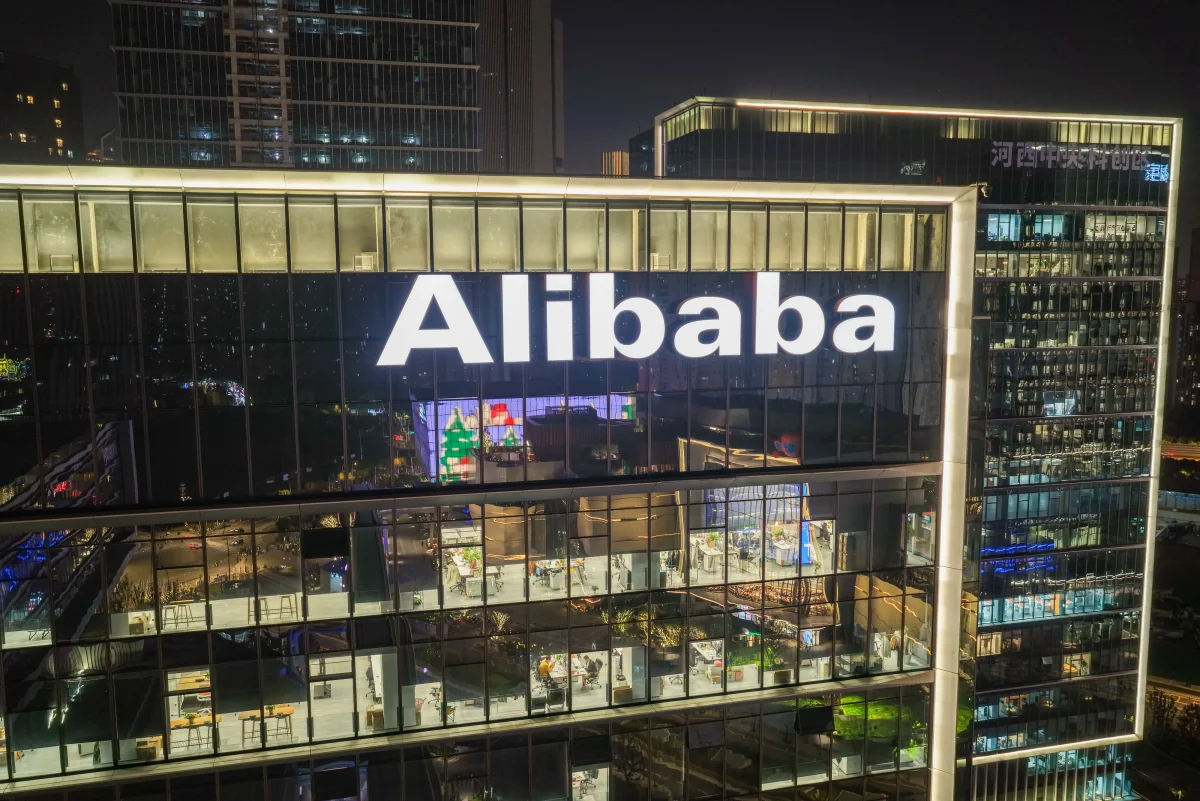
Chinese tech giants are rapidly integrating e-commerce into their AI assistants. As CNBC reported, Alibaba, ByteDance, and Tencent are engaged in fierce competition over AI-driven purchasing experiences known as "agentic commerce."
Alibaba integrated Taobao and Alipay into its Qwen app in January 2026, enabling end-to-end conversational purchases. Tencent has also enhanced its WeChat AI capabilities through "Yuanbao." ByteDance's latest move represents a clear response to this competitive landscape.
How "One-Sentence Shopping" Works
According to aibase.com's analysis, the AI e-commerce feature Doubao is implementing follows a concept called "one-sentence shopping." Users express vague purchasing needs through conversation, and the AI matches appropriate products, generates purchase suggestions, and guides users to the checkout page.
This integration features several strategic characteristics.
Semi-Closed Loop ModelRather than building a complete transaction system from scratch, Doubao leverages Douyin's existing e-commerce infrastructure through a "semi-closed loop" approach. This avoids challenges related to payment licenses and transaction compliance while delivering a seamless pathway from AI assistant to commerce.
Bidirectional Traffic CreationThe integration transforms Doubao from a mere "traffic consumer" to a "traffic creator." Doubao's AI capabilities drive customers to Douyin's e-commerce platform, while Douyin's product database enhances the Doubao user experience, creating a mutually reinforcing relationship.
Extended User EngagementBy enabling users to complete shopping without switching apps, time spent within the Doubao app increases. This expands revenue opportunities for both advertising and e-commerce operations.
Impact and Implications for E-commerce Businesses
AI Assistants Becoming the Gateway to Purchases
Doubao's e-commerce integration symbolizes the turning point where AI assistants evolve from "information search tools" to "purchasing platforms." As PYMNTS reported, a model where AI becomes the starting point of consumer purchasing behavior is rapidly taking hold in the Chinese market.
Key implications for e-commerce businesses include the following.
Urgent Need for AI-Optimized Product DataWhen AI assistants recommend products, structured product data is essential. Businesses need to organize attribute information, review data, and usage scenario descriptions to enable accurate AI matching.
Multi-Channel AI ReadinessIn an era where multiple AI assistants such as Doubao, Qwen, and ChatGPT all have purchasing capabilities, businesses need to ensure their products are discoverable and recommendable across all platforms.
New Pathways to the Chinese MarketFor businesses engaged in cross-border e-commerce through Douyin, AI-driven recommendations via Doubao represent a potential new acquisition channel.
Conclusion
ByteDance's integration of Douyin e-commerce into Doubao signals that China's AI commerce competition has advanced from "search and recommendation" to "purchase completion." Embedding commerce capabilities into an AI assistant with over 100 million DAU has the potential to fundamentally reshape consumer purchasing behavior.
Innovation emerging from the three-way competition between Alibaba, Tencent, and ByteDance is expected to ripple across global markets. E-commerce businesses should begin building strategies that encompass the entire process of AI agents discovering, recommending, and completing purchases.