AI Commerce News Digest (April 20, 2026)
AI-driven traffic to US retailers surges 393% in Q1 2026, with agentic shoppers outspending humans. Shinsegae drops OpenAI partnership after just 11 days. Naver shifts focus to AI-driven commerce.

Key Takeaways
- Adobe Analytics data shows AI-driven traffic to US retail sites surged 393% YoY in Q1 2026, with revenue per visit now 37% higher than non-AI traffic — agentic shoppers are outspending humans
- South Korea's Shinsegae Group canceled its OpenAI partnership just 11 days after signing, pivoting to Reflection AI as large retailers rethink their AI strategies
- Naver, AEON360, Visa, and Walmart are simultaneously advancing agentic commerce implementations across search, payments, and retail layers
Top Stories
AI-Driven Traffic to US Retailers Surges 393% in Q1, Agentic Shoppers Outspend Humans

Adobe data shows AI-driven shopping traffic surging into the mainstream.
cryptonews.netAdobe Analytics' Q1 2026 report reveals that AI assistant-referred traffic to US retail sites grew 393% year-over-year, with March alone up 269%. This follows the 693% surge seen during the 2025 holiday season, confirming sustained growth rather than a one-time spike.
The quality shift is even more striking than the volume increase. AI-referred visitors now convert 42% more often, generate 37% more revenue per visit, spend 48% more time on site, and browse 13% more pages. Just one year ago, AI traffic converted 38% worse than standard channels — a dramatic reversal.
However, Practical Ecommerce highlights data discrepancies across reports. A German university study found ChatGPT-referred traffic still accounts for less than 0.2% of total ecommerce visits, with differences in measurement methodology, geographic scope, and time periods driving the divergence. The channel remains early-stage, but signals point to a "once-in-a-generation shift."
Full article: AI-Driven Retail Traffic Surges 393%, But Data Tells a Complex Story
Shinsegae Drops OpenAI Partnership After Just 11 Days, Pivots to Reflection AI

Retail conglomerate Shinsegae is pivoting on its plans to deploy AI in its businesses, canceling a partnership with OpenAI.
www.koreatimes.co.krSouth Korean retail giant Shinsegae Group has scrapped its MOU with OpenAI — signed just 11 days earlier on April 6 — in favor of a new partnership with US AI company Reflection AI. The original plan was to leverage ChatGPT as an AI shopping platform for Emart, Korea's largest supermarket chain, but the company cited a "select-and-focus strategy" for the pivot.
The backdrop includes Walmart's experience with ChatGPT Instant Checkout (launched November 2025), which converted at less than one-third the rate of its own website, prompting Walmart to end the partnership. Industry experts note that ChatGPT-based "AI commerce" no longer provides differentiation. Shinsegae is now pursuing an "AI factory" approach with Reflection AI, aiming for infrastructure-level transformation.
Full article: Shinsegae Drops OpenAI, Pivots to Reflection AI Strategy
Agentic Commerce
Walmart x OpenAI: The Full Picture of Their Agentic Commerce Partnership
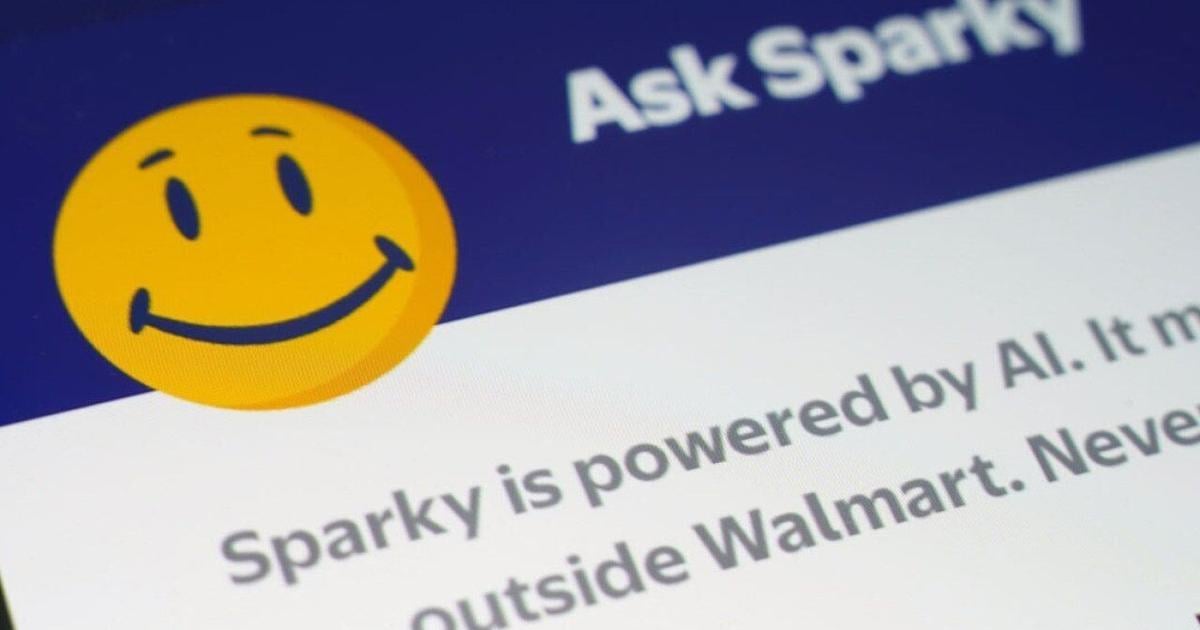
WebFX reports Walmart and OpenAI are launching AI-first shopping via ChatGPT.
www.wqow.comA WebFX analysis examines the Walmart-OpenAI partnership in detail — an "AI-first shopping" vision where product search, personalized recommendations, and direct purchases all happen within ChatGPT.
The world's largest retailer building purchase flows on an AI platform marks a symbolic milestone for agentic commerce entering its practical phase. However, as demonstrated by Shinsegae's reversal and Walmart's own past experience, ChatGPT-driven CVR remains significantly below traditional channels.
AEON360 x Google Cloud: Building Agentic Commerce for Retail Ecosystems

Google Cloud announced a long-term collaboration with AEON360 for continuous commerce experience.
voi.idAEON360, the digital subsidiary of Japan's AEON Group, has announced a long-term collaboration with Google Cloud to build a "continuous commerce" experience spanning AEON's retail, financial, and lifestyle ecosystems.
Unlike the recent Reserve integration for Web3 payments, this initiative focuses on building agentic commerce infrastructure on Google Cloud. It signals Japan's largest retail group moving seriously into AI commerce implementation.
AI Commerce Tools
Visa Research: Businesses Accelerating AI Commerce Readiness
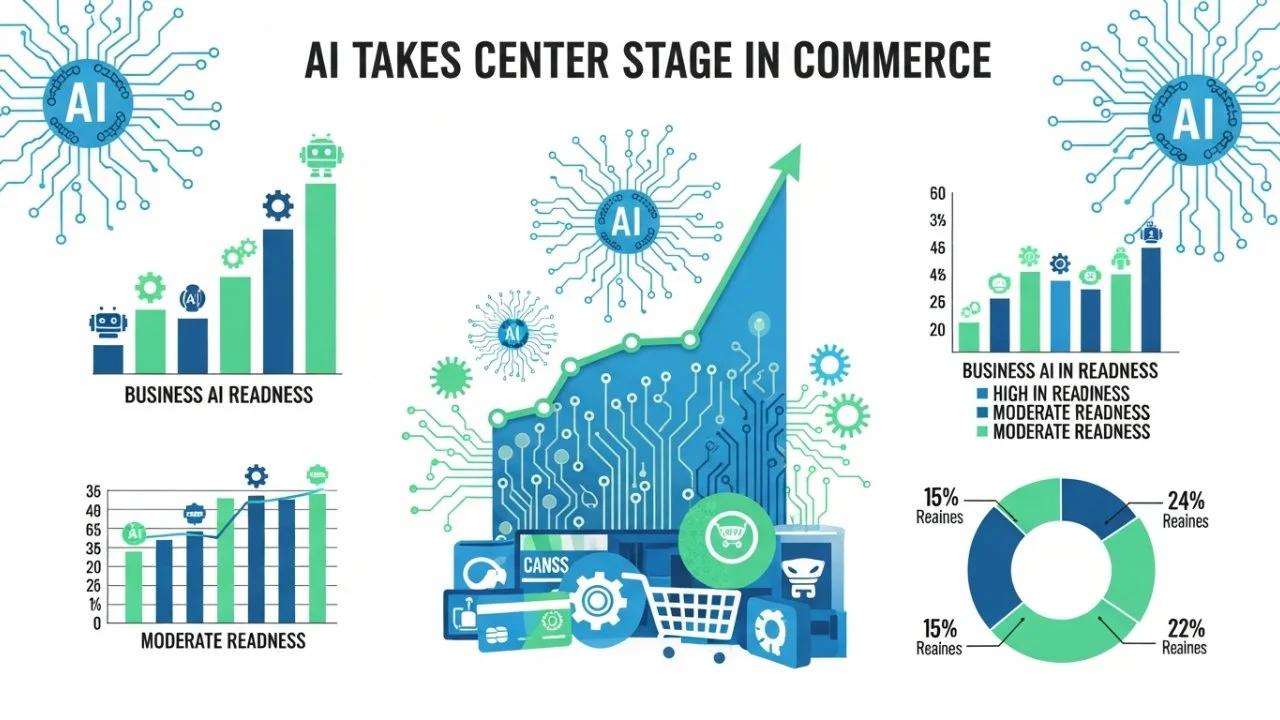
Visa's latest research highlights growing readiness of businesses to embrace AI in commerce.
smallbiztrends.comVisa's latest research reveals that businesses are rapidly preparing for AI commerce adoption. As AI permeates every aspect of commerce, enterprise-side readiness is catching up with the pace of technology development.
The fact that Visa — which controls critical payment infrastructure — continues to publish AI commerce market research underscores the seriousness with which investors and operators are watching agentic commerce.
Naver Shifts to AI-Driven Commerce, Accelerates Shopping Growth

Planned Merger with Dunamu and record shopping sales drive strategic expansion as Nepleus app gains traction
www.chosun.comSouth Korea's dominant portal Naver is doubling down on online shopping as its revenue pillar, driven by the uncertain future of the search market in the generative AI era. The Naver Plus Store (Nepleus) shopping app hit a record 7.77 million MAU in March, solidifying its position behind Coupang.
The shopping AI agent launched in late February is fueling this growth with personalized recommendations, real-time trend analysis, and automated product suggestions. Starting in June, Naver will also auto-suspend low-quality listings to improve AI recommendation accuracy. Combined with the planned Dunamu merger (Upbit crypto exchange), the strategic shift from search to shopping and fintech is accelerating.
Full article: Naver Shifts to AI-Driven Commerce, Fueling Rapid Shopping Growth
AI Chat Windows Emerge as New Commerce Battleground in Korea
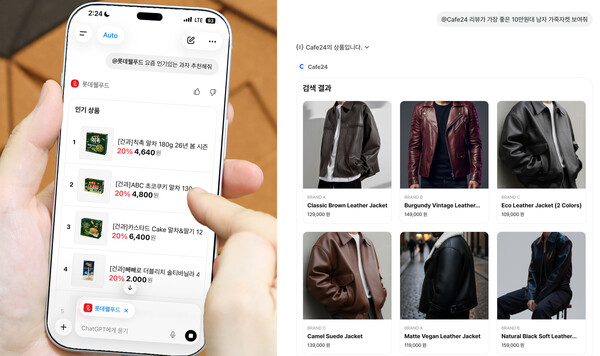
Generative AI chat windows are emerging as a new shopping battleground.
www.digitaltoday.co.krDigitalToday reports that generative AI chat windows are emerging as a new commerce channel alongside search portals and open marketplaces in South Korea. Lotte Wellfood has launched a dedicated app within ChatGPT, while Cafe24 has released an app connecting multiple partner brands.
The focus is on creating purchase links that route users from chat conversations to brand websites, building AI chat as a customer acquisition channel that could eventually complement or replace traditional search advertising.
Global E-Commerce
Marketplaces Now Account for 83.4% of Global E-Commerce Revenue

TyN Magazine reports that marketplace platforms now account for 83.4% of global e-commerce revenue. Concentration toward major marketplaces like Amazon, Shopee, Coupang, and Temu continues to accelerate, while independent e-commerce sites face shrinking market share.
As agentic commerce scales, AI agents cross-searching and purchasing via marketplace APIs could further intensify this concentration.
Global Brands See Revival in China as Retail Nationalism Cools

Sales data suggest more discerning consumption is taking hold.
www.businesstimes.com.sgThe Business Times reports that the "Guochao" (national pride) boom in China is cooling, with global brands seeing a recovery. Latest sales data indicate consumers are shifting toward "more discerning consumption" based on quality and value rather than brand nationality.
This shift could benefit global companies considering entry or re-entry into the Chinese e-commerce market.
Inside Temu: The Business Model Behind the World's Fastest Growing Shop

Temu went from zero to the world's most downloaded shopping app in under two years.
europeanbusinessmagazine.comEuropean Business Magazine examines PDD Holdings' Temu in detail — from zero to the world's most downloaded shopping app in under two years. Behind the explosive growth lies PDD Holdings' massive revenue structure and supply chain optimization capabilities.
Aggressive ad spending for user acquisition combined with a direct-from-China-factory model drives its price competitiveness, though questions about margin sustainability and regulatory risks persist.
Logistics & Fulfillment
Amazon, USPS, and the Widening Delivery Divide in Rural America

The new deal between Amazon and USPS has many implications for package delivery to rural Americans.
www.cnbc.comCNBC analyzes how the new Amazon-USPS deal could widen the delivery quality gap between urban and rural America. As Amazon expands its own delivery network, changes to postal services risk leaving rural communities with fewer last-mile options.
For e-commerce operators, regional delivery quality gaps directly impact customer satisfaction and repeat rates — particularly critical for D2C brands serving nationwide markets.
Rethinking Europe's E-Commerce Gateways

Across Northern Europe and the Baltics, a different model is beginning to take shape.
aircargoweek.comAir Cargo Week reports on a new cross-border e-commerce logistics model emerging in Northern Europe and the Baltics. Rather than large-scale hub concentration, the trend is toward distributed gateway models combining geographic advantages with customs efficiency.
As China-origin cross-border e-commerce continues to expand rapidly, competition is intensifying over which European ports and airports will become the primary hubs for e-commerce cargo.
Summary
Today's news is united by a theme of dual inflection points in agentic commerce — data and strategy. Adobe Analytics' 393% traffic surge and the spending reversal suggest AI-driven shopping is moving beyond the experimental phase.
Simultaneously, Shinsegae's OpenAI departure and Naver's full pivot to AI commerce reveal that major retailers are still in a trial-and-error phase with AI partnership strategies. As the recognition spreads that ChatGPT integrations alone no longer provide differentiation, infrastructure-level AI implementation is emerging as the next competitive frontier.