AI Commerce News Digest (July 9, 2026)
Salesforce launches Agentforce Commerce, India's NPCI develops an AI-agent payment protocol for UPI, and Akeneo introduces an agentic product experience platform. A roundup of agentic commerce news for July 9.


Key Takeaways
- Salesforce launched Agentforce Commerce, connecting shoppers, merchants and AI agents across B2C, B2B, point-of-sale and order management
- India's NPCI is developing a Unified Agent Protocol, opening the door for AI agents to make autonomous payments on the UPI network
- From Akeneo's agentic product experience platform to the NAPAS-TikTok Shop payments partnership, AI-ready groundwork is advancing from product data through to payments at once
Here is your agentic commerce news roundup for July 9. Today's headlines shared a common thread: building the groundwork for an era in which AI agents carry out transactions. Salesforce introduced Agentforce Commerce to connect shoppers, merchants and AI agents on a single platform, while India's NPCI is developing a new protocol to embed AI agents into its UPI payment network. Akeneo, too, announced a product experience platform built for AI agents. Across industries, the central question of the day was how to design transactions in which AI plays a role.
Today's Top Stories
Salesforce unveils AI commerce platform "Agentforce Commerce"

Salesforce has launched Agentforce Commerce, a new platform that connects shoppers, merchants, and AI applications across B2C, B2B, point-of-sale, and order management channels.
futurecio.techSalesforce has announced Agentforce Commerce, a new platform that connects shoppers, merchants and AI applications. It ties together multiple channels, spanning B2C, B2B, point-of-sale and order management (OMS), on a single foundation, so that AI agents can participate in both the buying experience and operational workflows.
It matters that a CRM giant like Salesforce is committing to an agentic commerce foundation. The move layers a discovery, engagement and transaction fabric built for AI agents on top of the storefront capabilities that Commerce Cloud has long provided, putting Salesforce in direct competition with the agentic commerce efforts of Shopify, Adobe and Google.
With a vendor that holds customer data staking out the entrance to the era of agent-driven transactions, the very criteria merchants use to choose a platform are beginning to shift.
Full article: What Is Salesforce Agentforce Commerce? Reading the commerce foundation for the agent era
India's NPCI develops "Unified Agent Protocol" to enable AI-agent payments on UPI

NPCI is developing a Unified Agent Protocol to enable trusted AI agents to make UPI payments, positioning India at the forefront of agentic commerce.
www.business-standard.comNPCI, the operator of India's payment infrastructure, is reportedly developing a Unified Agent Protocol that would allow trusted AI agents to make UPI payments. The plan embeds autonomous agent payments into UPI, one of the world's largest real-time payment networks.
The key point is that the framework for authenticating and delegating authority, deciding who lets an agent pay and up to what limit, is being standardized at the network level. Rather than leaving each app or service to implement it separately, the idea is to define the rules for agent payments on top of the shared UPI rail.
If India, with its user base in the hundreds of millions, puts this in place, agentic commerce implementation gains real momentum. A payment network taking the lead in embedding agents could influence how other countries design their own frameworks.
Full article: What Is India's NPCI Unified Agent Protocol? Why UPI is institutionalizing AI-agent payments
Agentic Commerce
Akeneo introduces "the first truly agentic product experience platform"

Akeneo introduces an agentic product experience platform that puts AI agents to work on product data and commerce experiences.
techround.co.ukAkeneo, which builds product information management (PIM) software, has introduced an agentic product experience platform (PXP) that puts AI agents to work on product data. The idea is to shift the tasks of preparing and distributing product information from labor-intensive workflows to agent-driven operations.
In agentic commerce, AI discovers products, compares them and completes purchases. That depends on product data being prepared in a form machines can read accurately. Akeneo's move reflects a broader trend of making the product data supply layer itself agent-ready for an era in which AI handles transactions.
Payments & Fintech
NAPAS and TikTok Shop partner to expand digital payments in Vietnam
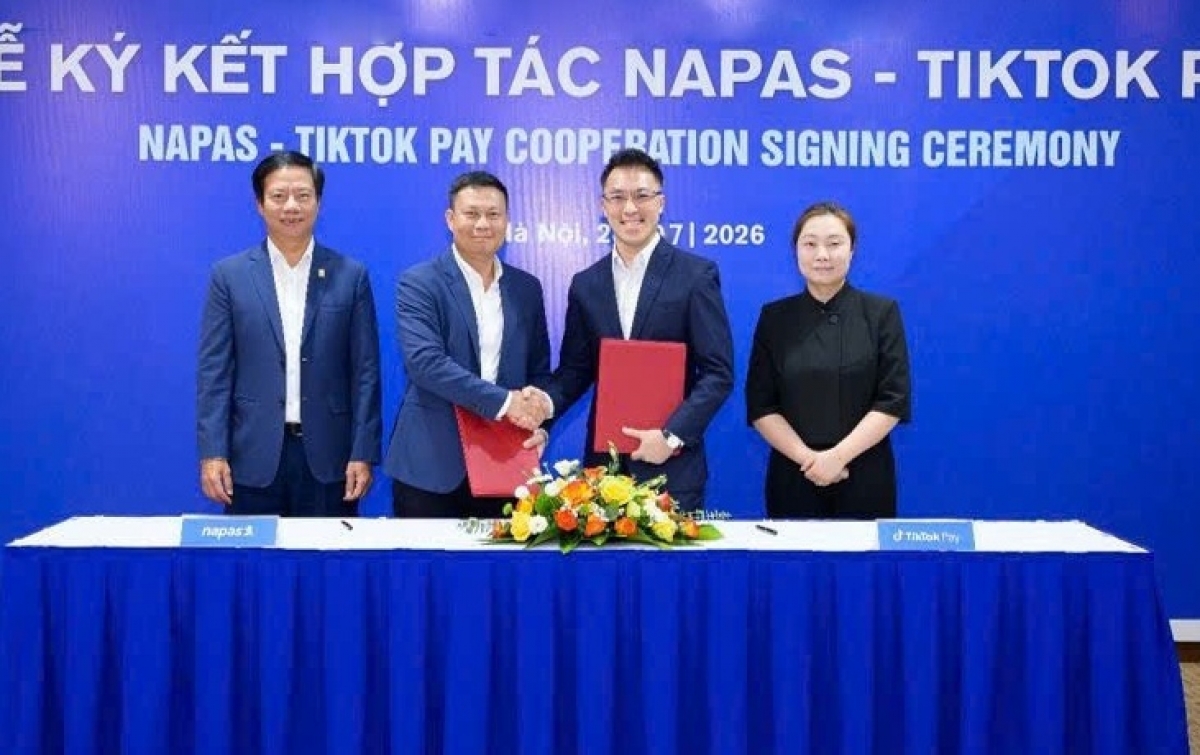
NAPAS and TikTok Shop signed a comprehensive cooperation agreement to deploy online payment services on NAPAS's Digital Payment Platform.
vir.com.vnNAPAS (Vietnam National Payment Corporation), which runs the country's national payment network, and TikTok Shop signed a comprehensive cooperation agreement on July 7. The deal deploys online payment services on NAPAS's Digital Payment Platform.
The move connects the enormous transaction volume of social commerce directly to national payment infrastructure. By embedding a local payment rail into the TikTok Shop experience that leads from video to purchase, social commerce in Southeast Asia stands to become even more frictionless.
Global E-commerce
South Korea's The Hyundai launches an experimental e-commerce platform

The Hyundai Hi app features more than 3,000 brands and product edits from local tastemakers such as actress Lee Yi-Dam and model Hong Tae Jun.
wwd.comSouth Korean department store The Hyundai has launched an experimental e-commerce platform, the "Hi" app. It carries more than 3,000 brands and foregrounds product edits curated by local tastemakers such as actress Lee Yi-Dam and model Hong Tae Jun.
The effort ports the curation strengths of a department store into digital, building a buying experience anchored in human-led product editing. As automation advances, it reflects a countercurrent: the question of how to reproduce online the contextual value of "who chose this."
Partnerships & Deals
Lazada joins Meta's affiliate partnerships programme to streamline social shopping in Southeast Asia
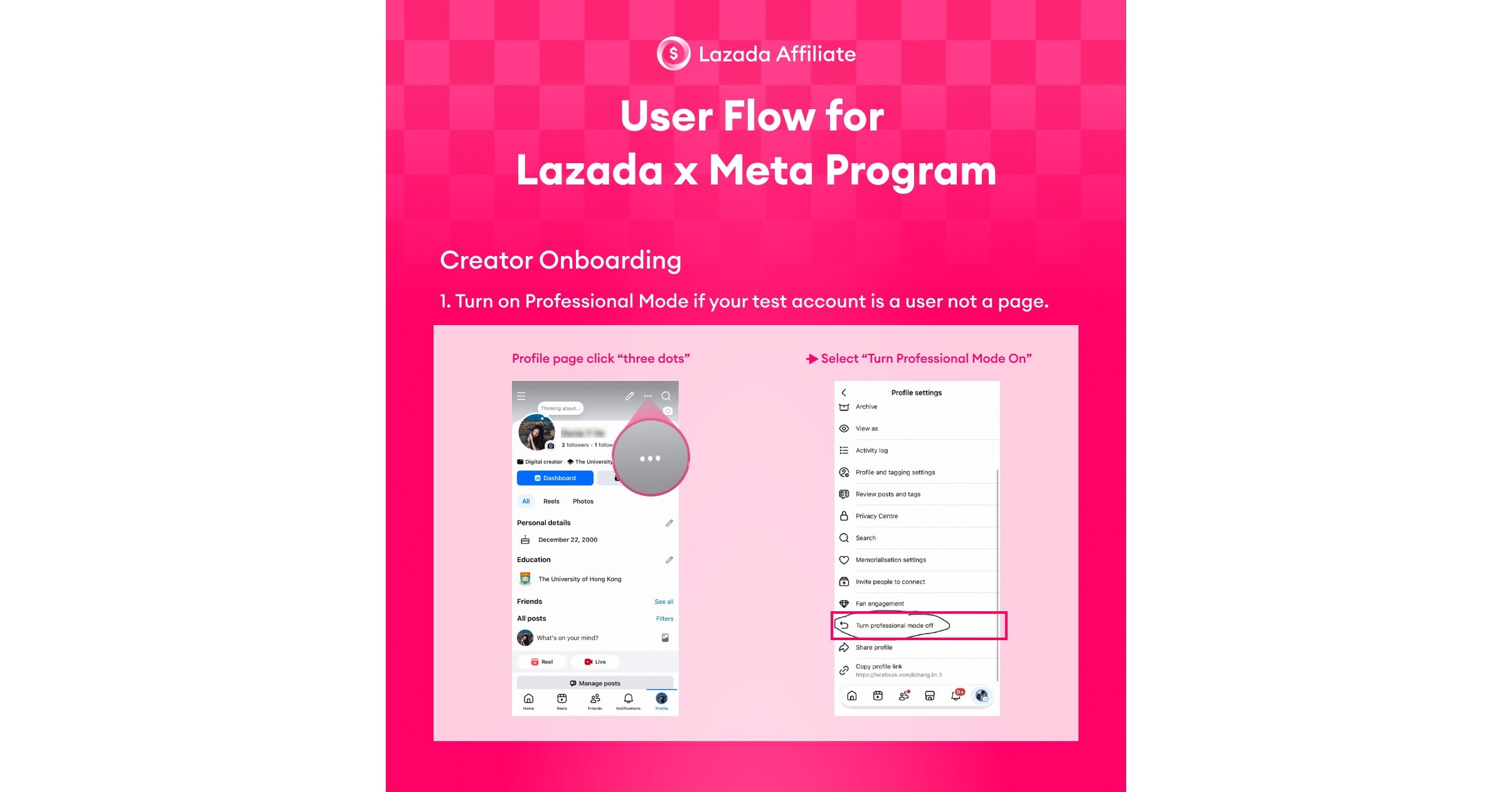
Lazada has joined Meta's Facebook Affiliate Partnerships programme, enabling content creators to drive social shopping in Southeast Asia.
www.prnewswire.comLazada, a leading Southeast Asian e-commerce platform, has joined Meta's Facebook Affiliate Partnerships programme. The initiative builds a path for content creators to feature Lazada products on Facebook and turn that into purchases.
It is a push to smooth the journey from discovery on social media to purchase on an e-commerce platform. Efforts to link the creator economy with e-commerce are accelerating around the world, and Southeast Asia is seeing platform-to-platform integration advance a step further.
Conclusion
A single theme runs through today's news: who will control which layer of the foundation for an era in which AI carries out transactions. Salesforce is staking out the commerce platform layer, India's NPCI the payment network layer, and Akeneo the product data layer, each laying groundwork for the agent era. Moves to capture some part of the path from discovery to payment are advancing simultaneously across industries and regions. In the days ahead, we will keep watching the standardization of payment protocols and the contest for leadership among platforms.