Salesforce Launches Agentforce Commerce: An Agentic Commerce Platform Connecting Shoppers, Merchants, and AI Agents
Salesforce made Agentforce Commerce generally available, with Shopper, Buyer, and Merchant agents spanning B2C, B2B, POS, and order management. What the launch means for e-commerce operators in the agentic commerce era.


Key Takeaways
- Salesforce made its AI commerce platform Agentforce Commerce generally available. Three agents (Shopper, Buyer, and Merchant) span B2C, B2B, POS, and order management, layered on top of the existing Commerce Cloud as a set of agents the business owns.
- The strategic core is connecting owned channels with external AI apps, so a customer found via ChatGPT or Gemini and a customer on your own site are treated as one known person rather than two strangers. The platform also supports Google's Universal Commerce Protocol (UCP).
- The supporting evidence is three figures: AI influenced 20% of global online sales ($262 billion) during the 2025 holiday season, retailers running their own agents grew sales 59% faster, and AI-referred traffic converts at eight times the rate of social.
Salesforce Makes Agentforce Commerce Generally Available

Salesforce has launched Agentforce Commerce, a new platform that connects shoppers, merchants, and AI applications across B2C, B2B, point-of-sale, and order management channels.
futurecio.techSalesforce has unveiled Agentforce Commerce, a platform that connects shoppers, merchants, and AI applications across business-to-consumer (B2C), business-to-business (B2B), point-of-sale (POS), and order management channels (FutureCIO).
What stands out in Salesforce's framing is that this is not positioned as a one-off product. The company describes it as a workforce of ready-to-deploy agents that the business owns and its own data grounds. The three core agents (Shopper Agent, Buyer Agent, and Merchant Agent) are now generally available, with native integration into ChatGPT, Google Search including AI Mode, and the Gemini app arriving this summer (Salesforce announcement).
Salesforce already owns a strong asset in its Commerce Cloud. This release layers a conversational agent tier on top of it and refreshes capabilities across B2C, B2B, order management, and POS in one sweep. The company calls it its most significant release in years.
What Each of the Three Agents Does
The substance of Agentforce Commerce is three agents with distinct roles. Each is separated from the old bolt-on chatbot model and wired natively into the business's catalog, inventory, and orders from day one.
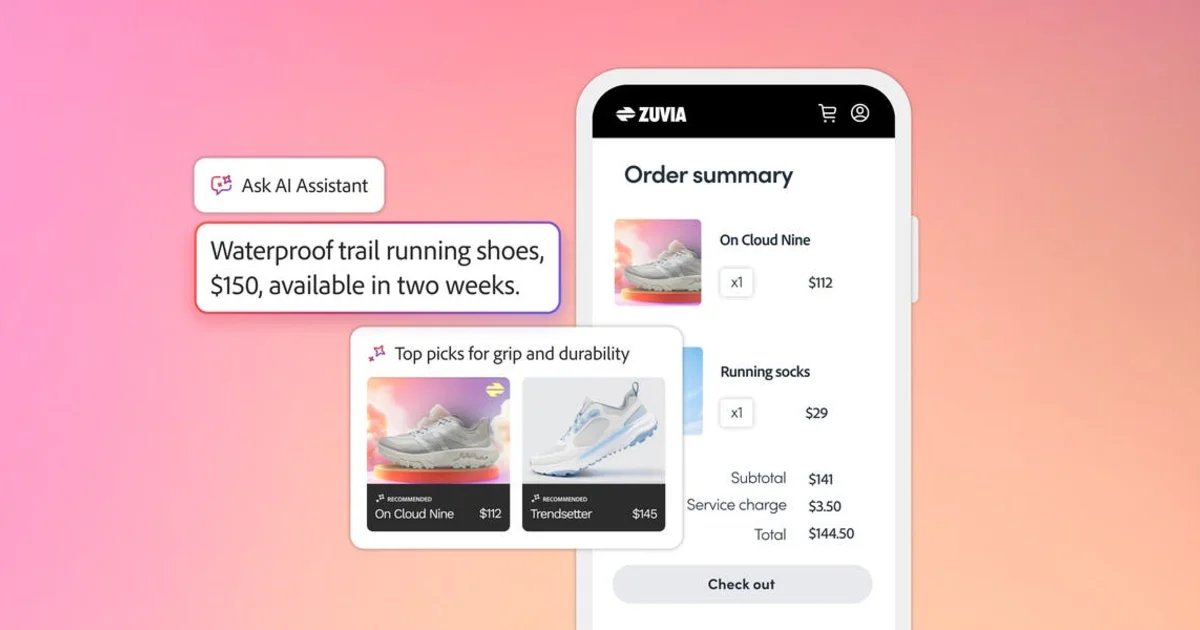
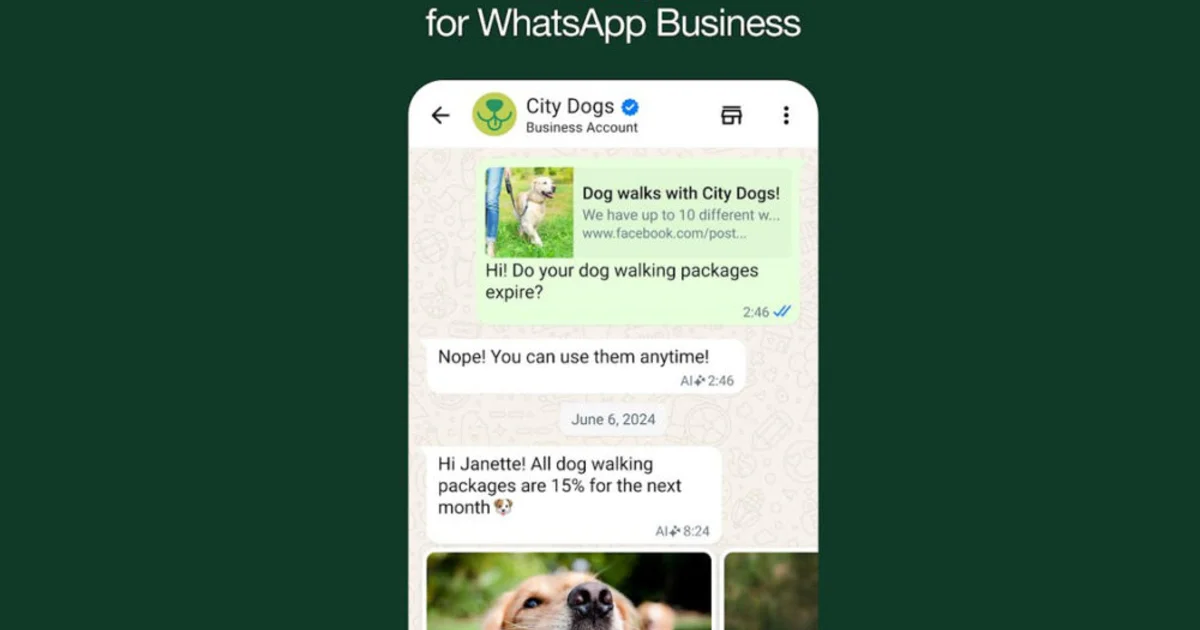
Shopper Agent carries the customer conversation from discovery through checkout and into service, speaking in your voice on your own storefront. For B2B, Buyer Agent meets buyers inside messaging channels such as WhatsApp and SMS. Running the back office, Merchant Agent lets the team organize catalogs, sort products, and respond to trends through plain-language instructions.
The distinction Salesforce presses here is between generative and agentic AI. Generative AI holds a conversation, while agentic AI checks inventory, respects the shipping cutoff, and actually closes the sale. In other words, the line is drawn at action rather than talk. In commerce, that difference decides whether an agent can make promises: quote a real delivery date, honor a contract price, resolve a service issue, and earn the next purchase. Salesforce argues that the business logic and customer data underneath are what make those promises possible.
A Design Philosophy of Connecting Owned Channels with External AI Apps
The most strategic point in the announcement lies less in the agents themselves and more in the philosophy of connection.
Product discovery has already moved. Many customers now begin shopping with AI assistants like ChatGPT and Gemini well before they reach a traditional search bar. Salesforce poses a clear question here: getting your products to show up in new LLM-driven channels is only half the battle, and the other half is whether the shopper who finds you in ChatGPT or Gemini and the shopper on your own site can be treated as one known customer rather than two strangers.
Nitin Mangtani, EVP and GM of Agentforce Commerce, frames the picture this way. Referral traffic to brand sites will be heavily influenced by platforms like Gemini, ChatGPT, and Anthropic, along with social apps like Instagram and TikTok. But commerce itself, for now, will happen predominantly on owned and operated properties: your website, your app, your messaging channels, your stores. On that basis he adds that the brands that win will have their Shopper Agent live on their own properties for the 2026 shopping season (Salesforce announcement).
For reaching external channels, Mangtani points to Google's Universal Commerce Protocol (UCP). UCP is a standardized protocol that lets AI assistants understand a store's inventory, apply discounts, and complete a purchase within a chat or voice conversation, treating commerce as a background utility rather than a destination. It is designed as an adapter layer that sits on top of existing systems, and major platforms including Agentforce Commerce have begun integrating it. That lets merchants push products into external LLM channels like Gemini without a large investment from their development teams (Salesforce: UCP explained).
Mangtani positions syndicated commerce with UCP, meaning commerce delivered directly into external channels, as an important role over the long term, while stressing that the near-term battleground remains owned properties. Own the agents at the core, and bridge to external AI apps through UCP. This two-layer stance captures the design philosophy of the release succinctly.
The Three Figures Behind the Case
Underlying Salesforce's push is data suggesting agentic commerce already moves revenue.
During the 2025 year-end holiday season, AI influenced 20% of global online sales, worth $262 billion. Retailers that ran their own shopper agents grew sales 59% faster than those that stayed on the sidelines. Across the year as a whole, AI-referred traffic converts to purchases at eight times the rate of social, according to the figures Salesforce presents (Salesforce announcement).
These numbers are offered to reinforce a message that the cost of waiting is not small. As product discovery shifts to AI assistants, whether a business owns its own agents is beginning to show up as a difference in sales growth.
What E-Commerce Operators Should Watch
The move by major platform players into agentic commerce is not Salesforce's story alone. The UCP technical council also includes Amazon, Meta, Microsoft, and Stripe, as alignment around standardization advances (Newsfile). Across Shopify, Adobe, and Google as well, the pieces for a world where agents execute transactions are being placed at the same time, layer by layer.
Within that context, Salesforce's move illustrates a realistic path for a company that already owns a commerce foundation. Rather than building new AI commerce from scratch, it layers an agent tier on top of the existing Commerce Cloud and uses the company's own customer data and business logic as the backing for the promises an agent must keep. External AI apps are reached through the shared language of UCP. For operators, the practical question narrows to where they place themselves within this two-layer structure.
It is worth noting that Salesforce states plainly that commerce, meaning the execution of transactions, will for now happen mainly on owned properties. External AI assistants may hold the entry point to discovery, but the part that closes a transaction (payment, inventory checks, delivery commitments, and after-sales service) runs on the data and logic the business owns. That line offers a practical guide for deciding which layer an e-commerce operator should invest in.
Conclusion
Agentforce Commerce is Salesforce's attempt to layer a conversational agent tier on top of its existing Commerce Cloud and deliver business-owned agents across B2C, B2B, POS, and order management. Built around the Shopper, Buyer, and Merchant agents, it takes a two-layer form that bridges to external AI apps through UCP.
The case rests on evidence that AI influenced 20% of online sales during the 2025 holiday season and that retailers with their own agents grew sales 59% faster. As discovery shifts to AI assistants, the question facing operators is how to combine agents on their own properties with connection to external channels, a decision that comes down to which layer to choose.