Fashion Industry Raises Concerns as AI Shopping Agents Proliferate
AI shopping agents are reshaping fashion e-commerce, but retailers worry about lost brand control and ad revenue while consumers question trust and data privacy.

Key Takeaways
- AI shopping agents threaten fashion brands' control over customer touchpoints and brand storytelling
- Only about one-third of consumers are willing to complete purchases through AI agents, with data privacy as the top concern
- Brands must urgently build proprietary AI agents and adopt GEO (Generative Engine Optimization) strategies
Fashion Industry Grapples with AI Agent Concerns
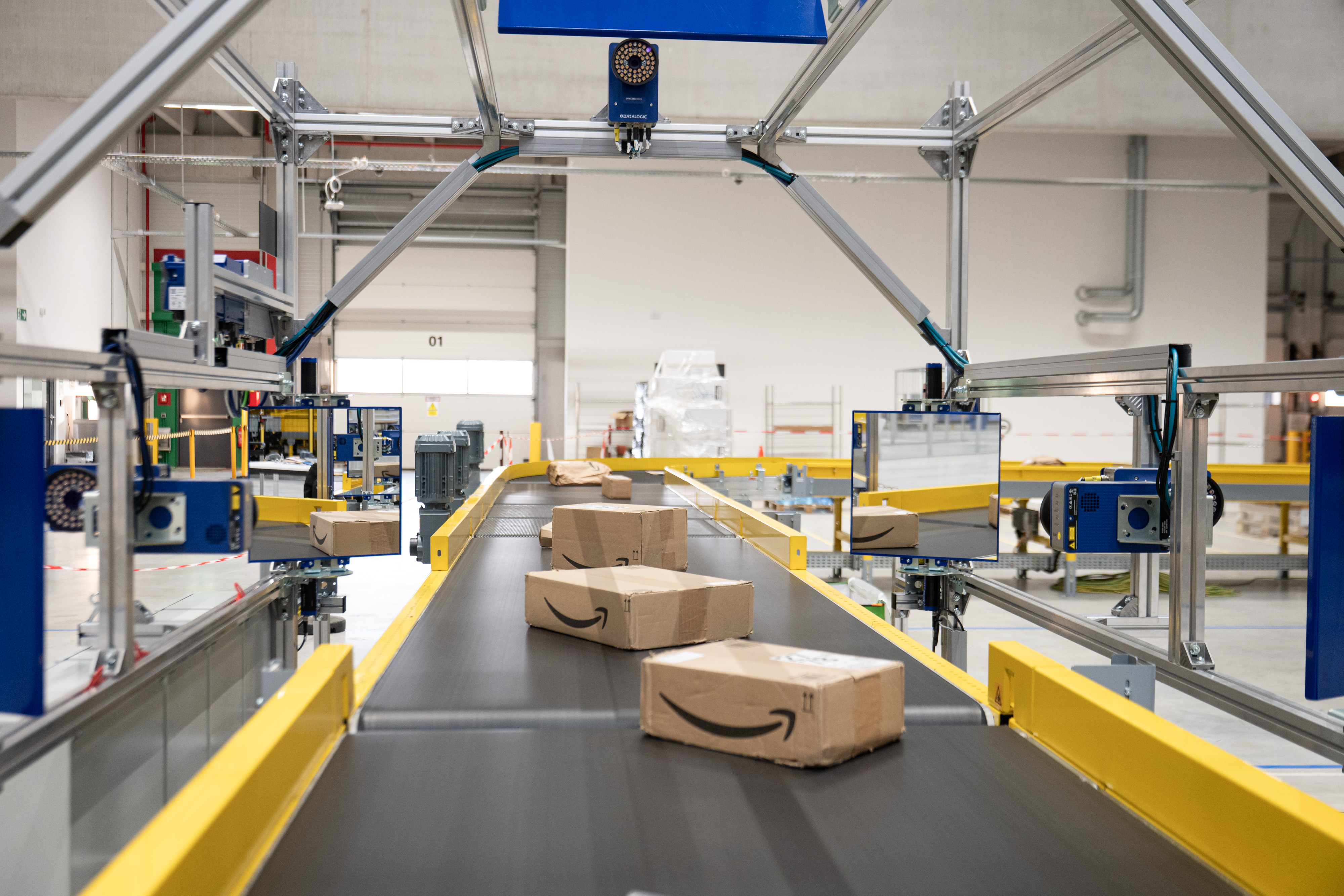
As AI-powered shopping agents increasingly become a part of modern e-commerce, not everyone is happy about their growth.
www.glossy.coIn April 2026, Glossy reported on the rapid proliferation of AI shopping agents in the fashion industry and the growing concerns from both retailers and consumers. Security, fraud risk, reliability, and the loss of advertising revenue have emerged as key challenges.
As AI agents fundamentally reshape e-commerce, the fashion and luxury sectors face a unique dilemma: technology-driven efficiency may undermine brand value in an industry where experience and emotion are central to the value proposition.
Background and Industry Context
The AI shopping agent market has expanded rapidly since 2025. According to a joint report by BoF and McKinsey, shopping-related searches on AI platforms grew 4,700 percent between 2024 and 2025. Fifty-three percent of US consumers now use generative AI for shopping, and 41 percent trust AI search results more than traditional advertising.
Major players entered the agentic commerce space in 2025. Amazon added auto-purchase capabilities to Rufus, OpenAI embedded direct checkout into ChatGPT through partnerships with Target and Instacart, and Perplexity launched an AI-powered browser for agent-driven shopping, triggering a legal battle with Amazon over website access.
Three Key Challenges for Retailers
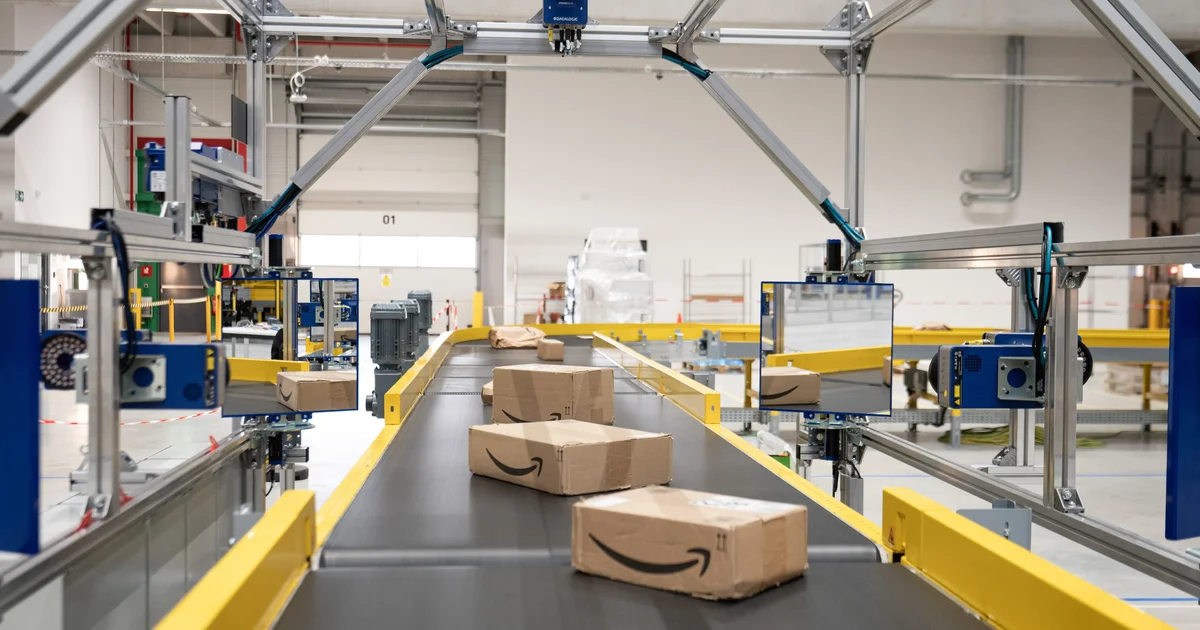
Advertising revenue model at risk: When AI agents recommend and purchase products directly, consumers no longer browse retailer websites. Amazon won a court injunction against Perplexity's Comet browser in March 2026, partly to protect its $56 billion advertising business.
Brand experience erosion: According to WWD's reporting, fashion brands risk losing years of brand building through runway shows, retail environments, and carefully controlled imagery as interactions are filtered through AI algorithms. AI agents tend to prioritize price, availability, and algorithmic preferences over brand loyalty.
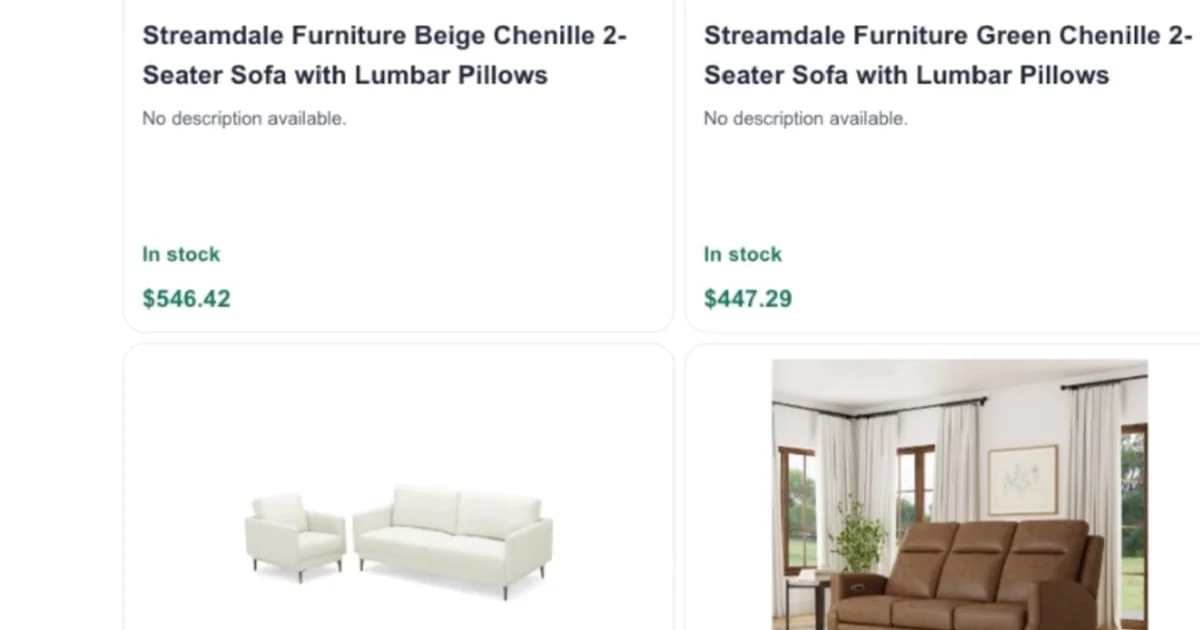
Massive product data overhaul required: Forrester principal analyst Sucharita Kodali noted that "even if these agents don't bother with the transaction and just offer themselves up as an alternative to Google search, there is still a lot of creating new information in new formats for each product that every merchant will need to do." Legacy SEO-oriented keyword catalogs cannot meet the contextual demands of AI agents.
Consumer Trust and Adoption Barriers
Consumer-side concerns are equally significant. A Forrester survey of 700 consumers found that only about one-third were willing to complete payment through an AI agent, with data privacy as the primary concern.
Fashion shopping involves "personal and intuitive" elements that AI agents may fail to capture, particularly the emotional connection customers feel with products before purchase. The fact that 70 percent of AI shopping agent queries in fashion relate to fit and sizing highlights category-specific challenges.
Amazon CEO Andy Jassy has acknowledged that most current AI shopping agents "fail to provide a satisfactory customer experience," citing insufficient personalization and inaccurate pricing and delivery estimates.
How Brands Should Respond
Build proprietary AI agents: Evelyn Mora, founder of retail intelligence consultancy Vlge, stated that "the agents will ultimately be IPs of the brands." Brands like Chanel and Gucci need to train AI agents with comprehensive knowledge of their products, history, and stories. L'Oreal launched its Beauty Genius AI assistant in 2024, and many major fashion houses are advancing similar initiatives.
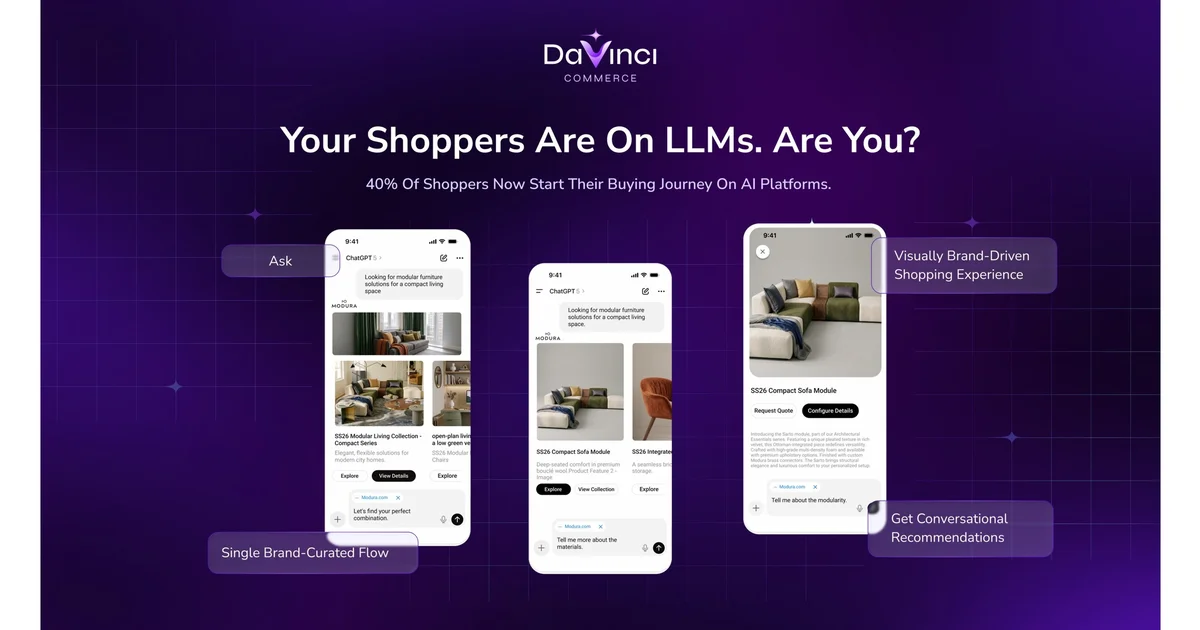
Adopt GEO (Generative Engine Optimization): Following SEO, GEO optimizes product data so that LLMs like ChatGPT, Claude, and Gemini can accurately understand and recommend products. The BoF-McKinsey report found that ChatGPT accounted for 16 percent of Zara's inbound traffic, demonstrating that AI-driven product discovery has reached significant scale.
Develop semantically rich product data: Beyond basic attributes, detailed metadata covering material feel, fit characteristics, styling context, and sustainability information is now a prerequisite for being "readable" by AI agents.
Conclusion
The proliferation of AI shopping agents is bringing the fashion industry not just efficiency gains but structural challenges: brand experience erosion, advertising model disruption, and consumer privacy concerns. Analysts position 2026 as an "inflection point" for agentic AI, predicting that ChatGPT and Gemini will evolve from product discovery to direct checkout this year.
For e-commerce merchants, managing how their brand appears to AI agents, adopting GEO strategies, and enriching product data will be critical competitive differentiators in the age of agentic commerce.