Korean E-Commerce Giants Pivot from Speed Wars to AI, Memberships, and Personalization
Coupang, SSG, and 11Street shift competitive focus from delivery speed to AI-driven personalization, membership programs, and free shipping as the next battleground.

Key Takeaways
- Korean e-commerce platforms are shifting competition from delivery speed to memberships, free shipping, and AI-powered search
- Naver and Lotte On have deployed AI shopping agents and conversational search, making personalization the new differentiator
- The transition from "speed" to "quality of shopping experience" signals a pivotal moment for e-commerce operators to rethink AI commerce strategies
A Structural Shift in Korean E-Commerce Competition
Perks, lighter shipping costs, and smarter search take center stage as fast delivery competition cools.
biz.chosun.comOn April 2, 2026, Chosunbiz reported a structural shift in how Korean e-commerce platforms compete. Major players including Coupang, SSG.com, Gmarket, 11Street, and Kurly are collectively pivoting from delivery speed wars toward membership programs, expanded free shipping, and AI-driven shopping innovation.
An industry official noted that "fast delivery itself is no longer a differentiator but a basic service." After major Korean platforms achieved comparable next-day and same-day delivery standards, what consumers notice has shifted from speed to ease of ordering, product discovery, and hassle-free returns.
Background and Industry Context
Korea's online retail sales grew 11.8% year-on-year in 2024, with online's share of total retail reaching 59%. The market is valued at approximately US$248.7 billion (2024) and projected to reach roughly US$349.8 billion by 2029.
The equalization of delivery capabilities happened incrementally. While Coupang's Rocket Delivery led the market, Naver restructured its delivery services as "N Delivery", segmenting them into today, tomorrow, Sunday, and requested-date delivery. SSG.com leveraged logistics facilities at approximately 100 E-Mart stores nationwide to enhance its "Sseuk Delivery" service. Kurly introduced "Midnight Morning Star Delivery" early this year, establishing a twice-daily delivery system.
As competitors closed the gap, delivery quality differences narrowed, creating demand for a new competitive frontier.
Membership Programs and Free Shipping Expansion
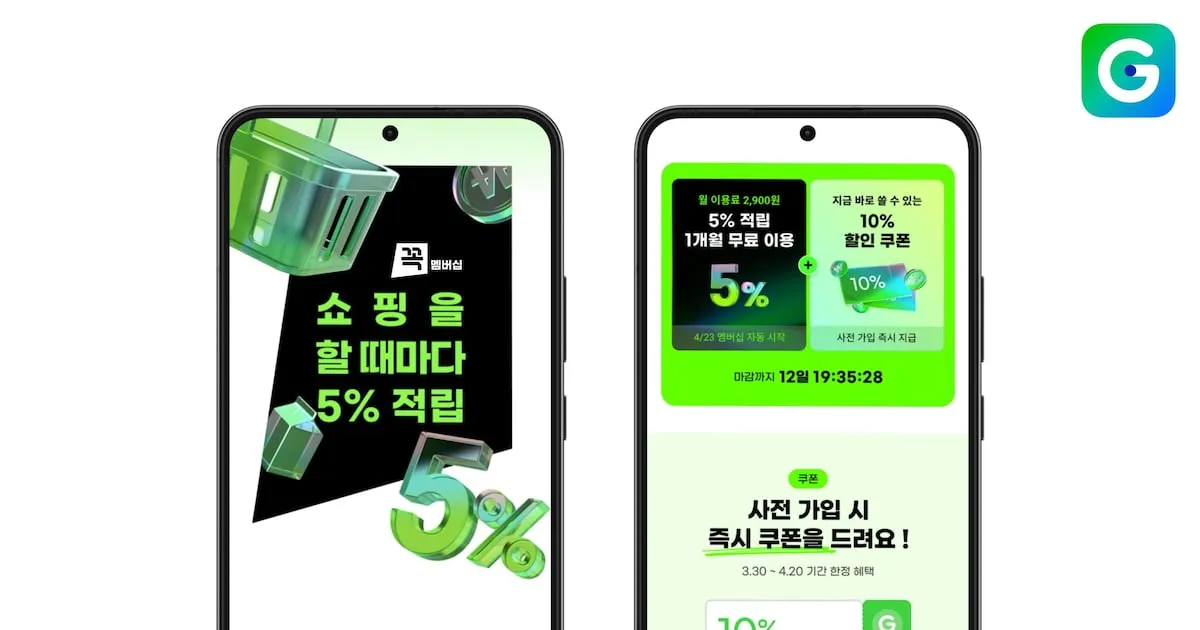
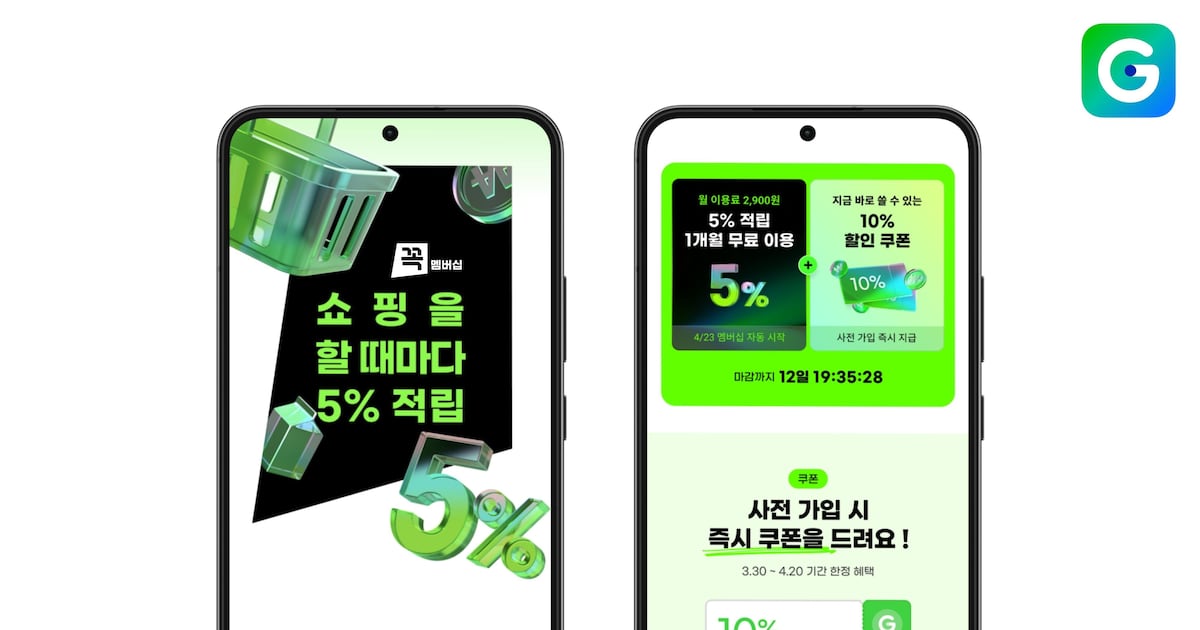
The first pillar of the new strategy is revamped membership programs. Gmarket is launching a new accrual-type membership called "Kkok" on April 23. Priced at 2,900 won (approximately US$2.10) per month, members earn up to 5% of cumulative purchases as "Smile Cash," an on-platform currency.
SSG.com also introduced a grocery-focused membership, "Sseuk Seven Club," early this year. For 2,900 won monthly, members earn a fixed 7% back on grocery purchases, receive discount coupons for Shinsegae Department Store Mall, and can add TVING streaming service access for an extra 1,000 won per month.
Lower free-shipping thresholds are also accelerating. Oasis Market now offers free delivery on direct-shipped products within dawn delivery zones for purchases of just 9,900 won. Kurly ran a promotion offering free shipping on orders of 20,000 won or more for paid members, down from the previous threshold of 40,000 won. 11Street added free returns and exchanges plus delayed-arrival compensation to its "Shooting Delivery" fast delivery service.
AI-Powered Shopping Experience Innovation
The second competitive pillar is AI-driven personalization.
Naver launched a beta "Shopping AI Agent" on its Naver Plus Store app in February 2026. The agent provides conversational product information summaries, comparisons, and review analysis, powered by a proprietary commerce-specialized LLM called "Shopping Intelligence." Starting with digital and lifestyle categories, it plans to expand into beauty and food by the first half of 2026.
Lotte On introduced a conversational search service called "Fashion AI" in April. Unlike traditional keyword searches, it recommends products by factoring in style, use case, and emotional expression. Musinsa also launched a "fashion-focused AI review summary" service trained on approximately 21 million reviews accumulated over two years.
Globally, Amazon's generative AI shopping assistant "Rufus" has been delivering personalized recommendations that analyze skin tone, product formulations, and key ingredients from review data. Korean platforms' AI strategies are aligned with this global trend.
Impact and Implications for E-Commerce Merchants
The Korean market's trajectory carries several implications for e-commerce operators.
The shift from delivery to experience is irreversible: Korea is one of the world's most fiercely competitive delivery markets. The consensus there that "speed alone no longer wins" signals that similar transitions will follow in other markets.
AI search and recommendations now drive purchase frequency: Naver's Shopping AI Agent and Lotte On's Fashion AI are transforming how consumers make purchasing decisions. Structured product data and AI optimization are becoming as important as traditional search ranking.
Membership design determines revenue structure: As Gmarket and SSG.com demonstrate, effective loyalty programs go beyond simple point accrual to incorporate ecosystem elements like streaming services and department store integration.
Conclusion
The shift from "speed to experience" in Korean e-commerce signals the onset of full-scale AI commerce implementation. Now that delivery speed has become baseline infrastructure, AI-driven personalization exemplified by Naver's Shopping AI Agent and Lotte On's Fashion AI is emerging as the defining competitive factor.
For e-commerce merchants, the priority is structuring product data in formats that AI agents can process effectively and preparing for conversational search and personalized recommendations. The Korean market's evolution should be watched closely as part of the broader global trend toward agentic commerce.