Stripe Unveils Agentic Commerce Suite at Sessions 2026: Google Gemini Integration and 288 New Features Set the AI Commerce Standard
At Sessions 2026, Stripe launched the Agentic Commerce Suite with 288 new features, a Google Gemini and AI Mode partnership via UCP, the Link agent wallet, Shared Payment Tokens, streaming payments on the Tempo blockchain via Metronome, and expanded Radar fraud protections.

Key Takeaways
- Stripe used Sessions 2026 to launch the Agentic Commerce Suite, bundling 288 new features with a partnership that brings checkout into Google's Gemini app and AI Mode.
- The suite is anchored by four primitives: Shared Payment Tokens, the Link agent wallet built on Issuing for agents, streaming payments via Metronome on the Tempo blockchain, and an agent-aware Radar.
- By joining the UCP Tech Council while keeping its own ACP standard, Stripe positions itself as the neutral payments layer beneath every major agentic protocol.
Sessions 2026 and the meaning of "288 features at once"
Stripe unveiled the Agentic Commerce Suite at Sessions 2026 with 288 new features, a Google partnership for the Gemini app and AI Mode, Link agent wallet, Shared Payment Tokens, and streaming payments on the Tempo blockchain via Metronome.
stripe.comMore than 9,000 business leaders and builders gathered in San Francisco for Stripe Sessions 2026, where Stripe rolled out 288 new products and features in a single keynote. The headline act was the Agentic Commerce Suite, a single offering that pulls together discovery, checkout, payments, and fraud detection for AI-driven sales.
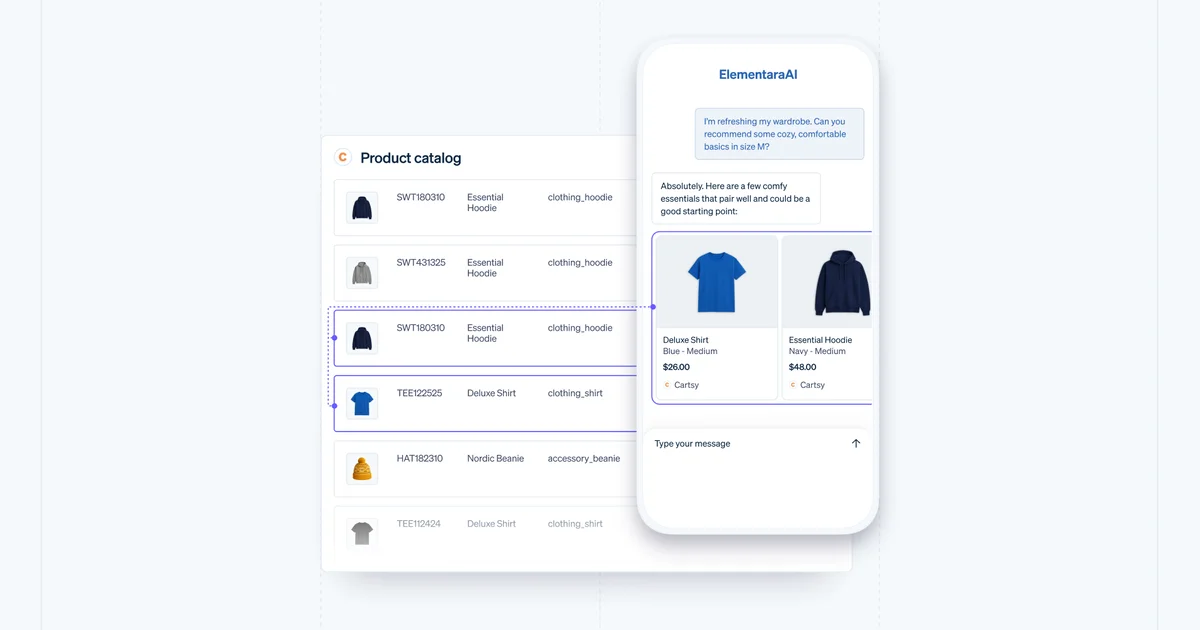
What makes the suite notable is not any one feature but the consolidation of every primitive an agent needs into one Stripe integration. Major commerce platforms shipped support on day one, including Wix, WooCommerce, BigCommerce, Squarespace, and commercetools. Early adopter brands such as URBN's Anthropologie and Free People, Etsy, Coach, Kate Spade, Revolve, and Ashley Furniture also went live, signaling that enterprise retailers are no longer waiting on the sidelines.
Google Gemini and AI Mode rewire the inbound funnel
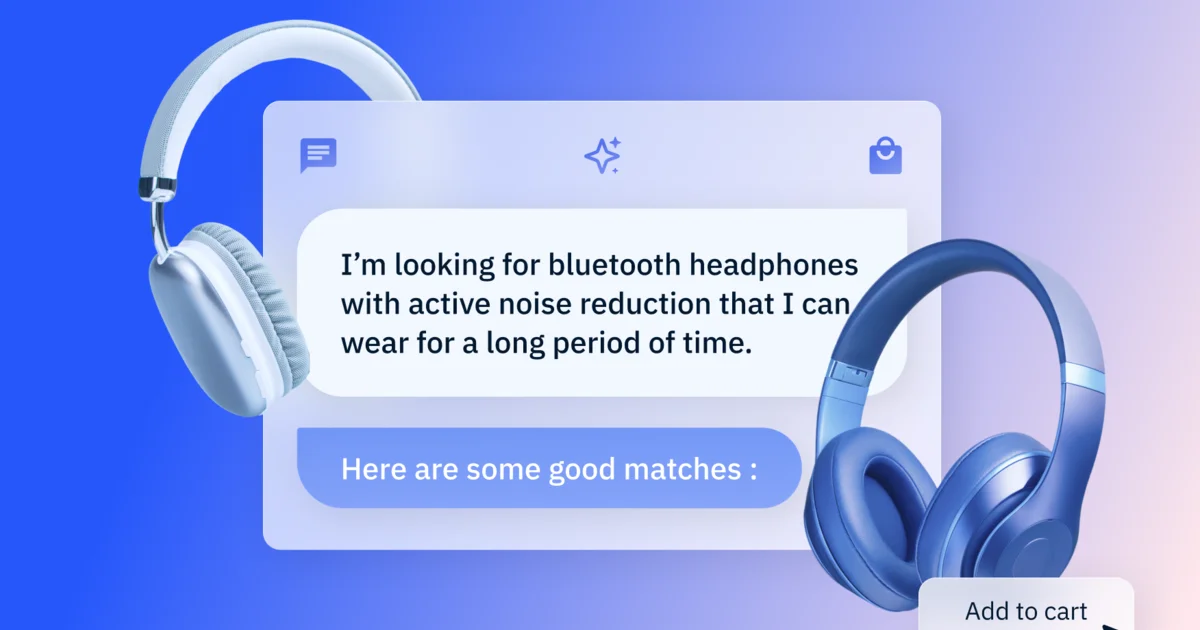
The most-discussed part of the announcement is the partnership with Google. Shoppers will be able to buy products inside the Gemini app and Google's AI Mode without leaving the conversation, with Stripe handling payments and Google's Universal Commerce Protocol (UCP) handling product and cart data.
UCP itself is an open standard for how AI agents discover items, build carts, check out, and manage post-purchase events. Stripe joined Amazon, Meta, Microsoft, and Salesforce in signing on to the UCP Tech Council on April 24, 2026, alongside founding members Google, Shopify, Etsy, Target, and Wayfair.
For merchants already on the Agentic Commerce Suite, Google UCP support requires no extra integration work. A single Stripe setup automatically covers UCP and other agentic protocols. That removes a meaningful technical barrier for any retailer that wants to surface its catalog inside Gemini or AI Mode.
A separate Meta partnership shipped at the same time, enabling native Stripe-powered checkout inside Facebook ads. Together, the two deals collapse the gap between high-intent AI surfaces and the payment moment.
Four primitives behind the suite
Underneath the marketing, the suite is built on four technical primitives.
The first is Shared Payment Tokens (SPTs). SPTs let an agent initiate a transaction using a buyer's saved payment method without ever seeing raw credentials. Each token is scoped to one seller, bounded by time and amount, observable through webhooks, and revocable on demand.
The second is the Link wallet for agents, built on Stripe's new Issuing for agents service. The wallet gives agents programmatic access to one-time-use cards or SPTs backed by the cards and bank accounts a consumer has already added to Link, with approval flows, spending limits, and per-merchant permissions baked in.
The third is streaming payments via Metronome on the Tempo blockchain. Tempo is Stripe's payments-focused chain, which went mainnet in March 2026 and targets transaction fees on the order of one-tenth of a cent. Combined with Metronome's usage metering, the design supports millisecond-level settlement of stablecoin micropayments, which suits per-token billing for AI services and machine-to-machine compute.
The fourth is an expanded Radar. Stripe cited that one in six attempted signups across AI services routed through it comes from bad actors, and added dedicated signals for free-trial abuse, bot detection, multi-account abuse, and token theft. Radar risk scoring also flows through SPTs, so high-trust agents and low-trust bots can be separated programmatically.
A two-track protocol strategy: UCP and ACP
Stripe's protocol posture is worth a closer look. The company already co-developed the Agentic Commerce Protocol (ACP) with OpenAI in 2025, which powers Instant Checkout inside ChatGPT. Joining the UCP council is not a switch in allegiance but the second leg of a deliberate two-track strategy.
The Agentic Commerce Suite advertises a "single integration, every protocol" experience. Once a merchant is connected to Stripe, ACP, UCP, and any future agentic protocol can be enabled without additional engineering. That is a textbook play for sitting underneath competing standards rather than betting on one.
Across the broader market, the agentic payments stack is fragmenting into vendor-specific tokens and protocols. Visa is shipping Intelligent Commerce with Anthropic, OpenAI, and Microsoft. Mastercard is leading with Agent Pay and Agentic Tokens. PayPal's Store Sync runs through ChatGPT and Perplexity. By framing itself as the neutral payments layer behind all of them, Stripe is making the case that whichever protocol wins, the rails underneath should still be Stripe.
Implications for merchants and SaaS platforms
For practitioners, the launch reshapes three decisions.
First, the question moves from "should we sell through agents" to "which protocol do we light up first." Existing Stripe merchants get UCP coverage without code changes, which means budget shifts to structured product data and real-time price and inventory feeds. Retailers whose catalogs are not machine-readable will keep paying full Stripe fees while remaining invisible inside agent results.
Second, SaaS pricing models change. Tempo plus Metronome makes it realistic to meter token consumption in milliseconds and settle in stablecoins continuously. Teams running monthly billing pipelines should start scoping what a streaming metering and reconciliation stack looks like, because customer expectations around per-request cost attribution are about to move.
Third, fraud strategy needs an upgrade. When agents transact at scale, fingerprinting alone cannot tell a sanctioned agent from a low-trust bot. Combining Radar's agent-specific signals with SPT scope controls becomes the new baseline. The ability to block hostile agents while greenlighting legitimate ones is now a material PSP evaluation criterion.
Closing thoughts
The 288-feature reveal at Sessions 2026 is best read as a positioning play to make Stripe the operating system for agentic commerce payments. The Google Gemini and AI Mode integration, the Link agent wallet and Shared Payment Tokens, Tempo plus Metronome for streaming settlement, the agent-aware Radar, and the UCP-plus-ACP protocol stance all landed in the same week.
For merchants and platforms, the action items for the next twelve months are concrete: get product catalogs machine-readable, design agent-facing surfaces, and stand up streaming-capable billing and reconciliation. The choice is no longer about whether agents will move volume. It is about which combination of Stripe, Visa, Mastercard, and PayPal layers each business stitches together to capture it.