AI Commerce News Digest (April 30, 2026)
Amazon's Q1 2026 earnings spotlight agentic commerce as a long-term growth driver while AWS growth accelerates to 28%; BigCommerce unveils its Agentic Commerce push with an expanded PayPal pact at Commerce Live; PayPal's new CEO carves Venmo into a standalone business unit as potential buyers circle; eBay's Q2 forecast tops estimates on luxury and refurbished demand; South Korea's FTC designates Coupang founder Bom Kim as the platform's de facto controlling person, reigniting US-Korea trade friction. April 30, 2026 EC and AI commerce news digest.

Key Takeaways
- Amazon's Q1 2026 earnings show AWS growth re-accelerating to +28% YoY with a strong Q2 outlook. CEO Andy Jassy and CFO Brian Olsavsky positioned agentic commerce as a long-term growth driver on the call, with CNBC and Benzinga calling it the first earnings where Amazon laid out its agentic commerce strategy in full
- BigCommerce unveiled an Agentic Commerce push, payments overhaul, and new pricing at Commerce Live, integrating PayPal's Store Sync to plug merchants into AI shopping flows. PayPal's new CEO Enrique Lores spun Venmo into a standalone business unit as potential buyers circle
- eBay's Q2 forecast topped estimates, South Korea's FTC designated Coupang founder Bom Kim as the platform's de facto controlling person, Visa's Agentic Ready Program expanded to LatAm and Asia, and FIS argued agentic commerce needs "Proof, Not Promises" — making today a defining moment for SaaS commerce platforms' agentic readiness
Today's Top Stories
Amazon Q1 2026 Earnings — AWS Growth Accelerates to 28% as Agentic Commerce Strategy Takes Center Stage
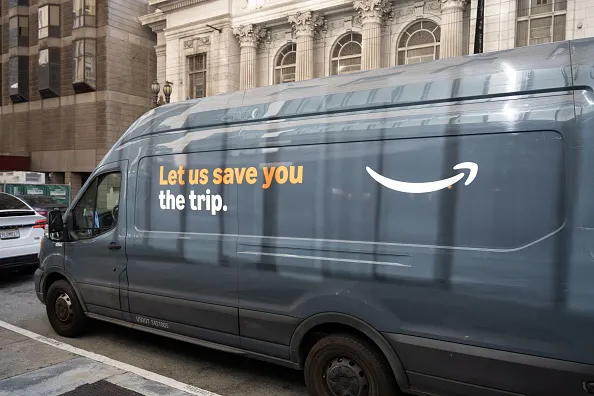
The e-commerce and cloud giant just released quarterly results with a focus on AI investment, AWS growth acceleration, and agentic commerce strategy.
sherwood.newsAmazon reported Q1 2026 earnings that beat consensus on both EPS and revenue, with strong Q2 guidance. The headline was AWS revenue growth of +28% YoY, the highest in six quarters, signaling that Amazon's massive AI infrastructure investment is now translating into the top line.
On the earnings call, CEO Andy Jassy framed agentic commerce as Amazon's "growth engine for the next decade", providing the first integrated narrative across Rufus, Alexa+, Buy For Me, and the new "Join the chat" feature. Deepwater's Gene Munster told CNBC that "Amazon gave clear direction on agentic commerce, sending the stock higher".
Q2 revenue guidance came in at $159–164bn, while Q1 capex of $25.4bn was nearly double the year-ago figure, signaling continued AI infrastructure investment. Alongside Visa's Intelligent Commerce, Amazon has now positioned itself explicitly as one of the platform-layer winners. For merchants, the timeline for Amazon Marketplace shifting onto agent-driven discovery and purchase rails is becoming concrete.
BigCommerce Unveils Agentic Commerce Push at Commerce Live — PayPal AI Pact, Payments Overhaul, New Pricing

BigCommerce is integrating PayPal's Store Sync offering into its app marketplace and channel manager to let merchants connect to AI.
www.pymnts.comSaaS e-commerce platform BigCommerce announced a triple play at its annual Commerce Live event: agentic commerce readiness, a payments overhaul, and a new pricing structure. The centerpiece is native integration of PayPal's Store Sync, which syncs merchant catalog and inventory data with PayPal so that products are surfaced automatically in ChatGPT, Perplexity, and Gemini shopping flows.
On payments, BigCommerce introduced in-house modules for tokenization, chargeback handling, and KYC for agent transactions, allowing merchants to handle agentic flows without depending solely on Stripe Agent Toolkit, Visa Intelligent Commerce, or Mastercard Agent Pay. The new pricing model introduces cart-size-linked agent transaction fees.
What stands out is the architectural divergence: while Shopify is leaning on tight partnerships with OpenAI ACP, Stripe, and Visa, BigCommerce is building a "PayPal-deep + in-house modules" coalition with mid-tier PSPs. SaaS platforms are now choosing distinct agentic commerce architectures.
PayPal's New CEO Enrique Lores Carves Venmo Into a Standalone Unit — Buyers Circle, AI Agent Strategy Unveiled

PayPal is betting that a new corporate structure can reignite growth at a company that has lost ground to Apple, Google and Stripe in the e-commerce battle.
www.techbuzz.aiPayPal's new CEO Enrique Lores announced a corporate restructuring that turns Venmo into a standalone business unit with its own leadership and P&L responsibility, with sale or spin-off explicitly on the table. The Tech Buzz reports that potential buyers have already begun discreet conversations.
In parallel, PayPal disclosed an "inventory bidding system" for AI shopping agents. A new PayPal survey published by Fast Company underscores that AI agents are creating an "invisible storefront economy" in which most merchants lack the infrastructure to compete. PayPal aims to fill that gap by combining Store Sync with bid-based inventory placement.
PayPal has been steadily losing e-commerce checkout share to Apple Pay, Google Pay, and Stripe. Lores's first major move as CEO is a two-pronged strategy: free Venmo, fight on the AI agent layer. Merchants and PSPs need to revisit their PayPal stance and agent-readiness as the company re-emerges as a contender for agentic commerce's center of gravity.
Agentic Commerce
Stripe Unveils Google Integration and 288-Feature Agentic Commerce Suite
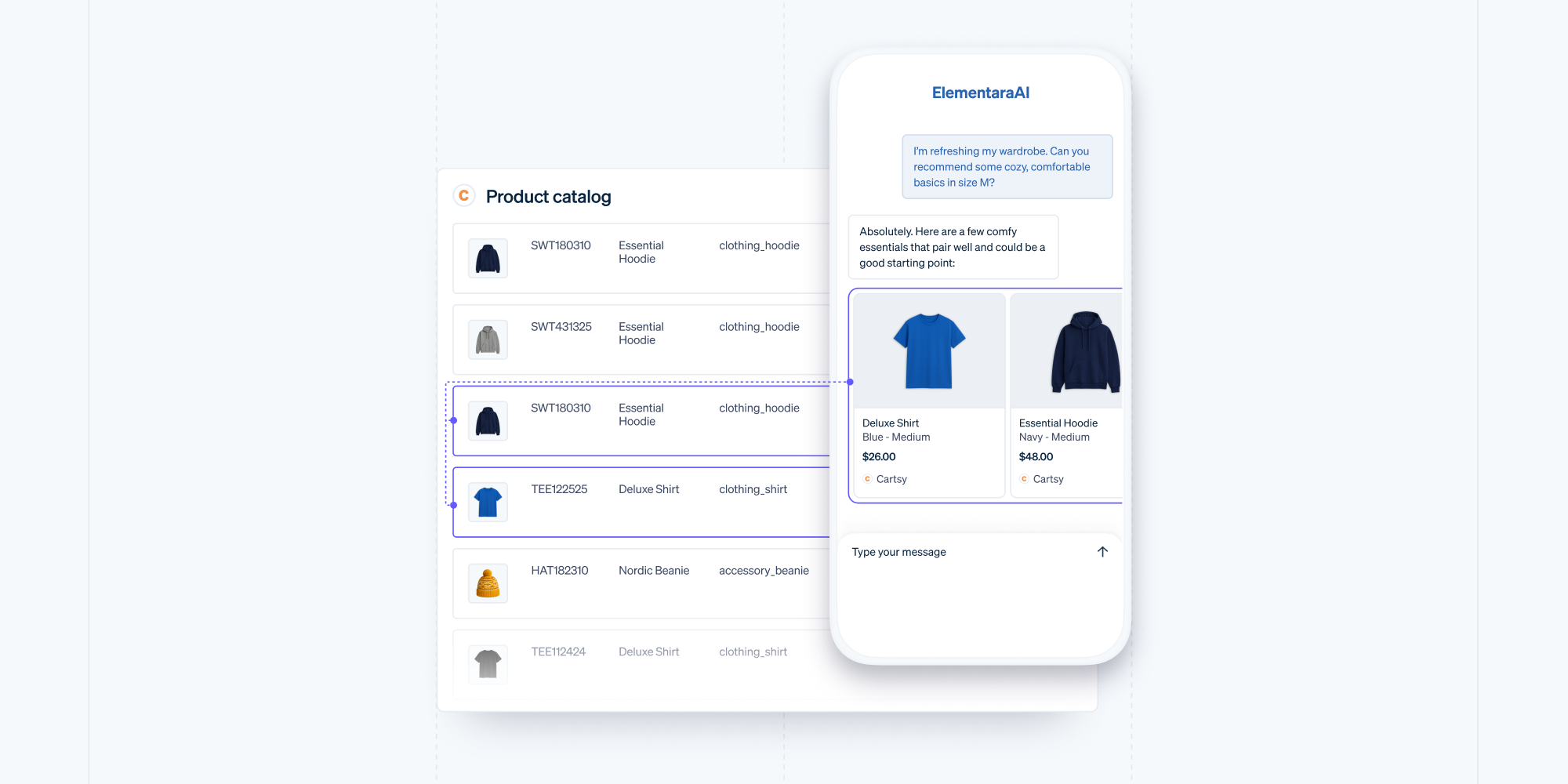
Stripe's Agentic Commerce Suite gets your business agent-ready, with Google Gemini and AI Mode integration, 288 new features, Link agent wallet, Shared Payment Tokens, and streaming payments on the Tempo blockchain via Metronome.
stripe.comStripe at its Sessions conference announced a direct integration with Google plus a new Agentic Commerce Suite. Merchants can now sell products inside the Gemini app and Google AI Mode with checkout handled through their existing Stripe account. The 288 new launches include Link Wallets for agents, streaming payments via Metronome, stablecoin payments on the Tempo blockchain, and expanded Radar fraud protections.
Coupled with Stripe's accession to the Universal Commerce Protocol (UCP) Tech Council on April 24, the company is now playing both standardization and proprietary implementation sides simultaneously. Gemini × Stripe looks set to become the shortest path for merchants entering Google AI Mode-driven shopping flows.
FIS Argues Agentic Commerce Needs "Proof, Not Promises"
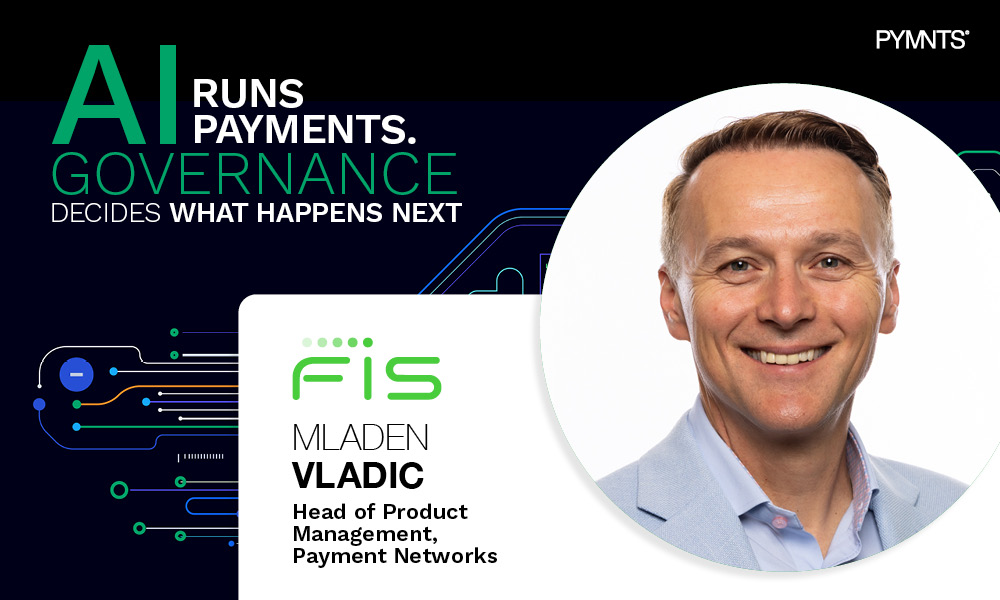
Integration is key to AI governance, FIS Head of Product Management, Payment Networks Mladen Vladic writes in a new PYMNTS eBook.
www.pymnts.comFIS Head of Payment Networks Mladen Vladic argues in a new PYMNTS eBook that vendor and protocol promises are not enough to anchor trust in agent-led transactions. Each transaction needs cryptographically verifiable proof embedded into the payments network layer.
The vision integrates delegation provenance, signed purchase intent, and post-trade audit logs into the network, so liability between AI platforms and merchants can be settled mechanically. It is the payments-side response to Riskified's finding last month that 55% of consumers refuse delegated agent purchases. For merchants, this represents the core of the trust-layer debate alongside the FIDO Alliance × AP2 standardization push.
Mirakl Agentic Activation — Marketplace-First Catalog Optimization for AI Discovery

Prepare your eCommerce business for agentic commerce. Learn how Mirakl Agentic Activation helps retailers and brands get discovered and sell on AI platforms.
www.mirakl.comMarketplace SaaS leader Mirakl launched Mirakl Agentic Activation, billed as the first enterprise-grade agentic commerce solution. The product is a catalog optimization engine that transforms marketplace catalogs into formats discoverable and recommendable by AI agents in ChatGPT, Perplexity, and Gemini shopping flows.
Where Topsort's Sponsored Prompts (April 22) approached the problem through ad formats, Mirakl works the catalog, inventory, and product metadata layer of e-commerce platforms themselves. The two are complementary; marketplace operators look set to combine catalog optimization + sponsored placements as their dual approach.
Ant International Open-Sources Agentic Mobile Protocol (Update)

Ant International unveils open-source mobile AI payment protocol for wallets and wearables, aiming to secure agentic commerce across devices.
ecommercenews.com.aueCommerce News Australia provides further detail on Ant International's Agentic Mobile Protocol (AMP) covered in yesterday's deep dive. AMP supports AI agents executing payments, authentication, and delivery across mobile wallets, wearables, and smart-home devices. Open-sourcing accelerates interoperability between Alipay+'s 90+ wallet network and third-party agents.
The agent payments protocol race has now matured into a three-way contest — UCP, ACP, and AMP — with Asia-originated AMP positioning as the third pole alongside the two US-led standards.
Payments & Fintech
Visa Agentic Ready Program Expands to LatAm and Asia — 85+ Companies, Doubled
Visa says it is expanding the agentic AI payments program it introduced last month, bringing it to clients in Latin America and Asia-Pacific.
www.pymnts.comVisa expanded its March-launched Agentic Ready Program into Latin America and Asia-Pacific, doubling participating clients to 85+ companies. New entrants include Mercado Libre, Rappi, PhonePe, and Grab — major regional EC and payment players.
Following Visa's Q1 FY26 earnings statement (covered in the April 29 deep dive) framing agentic commerce as the "new growth ecosystem", the implementation phase is now rolling out across regions. Integration with local payment rails like UPI, PIX, and GrabPay will be the linchpin.
Visa CEO Reaffirms Stablecoin and Agentic as Next Growth Pillars
The card network giant is trying to position its services business as an essential infrastructure component in stablecoins and agentic commerce.
www.paymentsdive.comIn post-earnings media interviews, Visa CEO Ryan McInerney doubled down on stablecoin payments and agentic commerce as Visa's next growth pillars. The plan is to grow Visa's services business (Visa Direct, Visa Intelligent Commerce, Visa Money Movement) as "infrastructure independent of the card network itself".
On stablecoins, Visa is positioning as the cross-border rail for USD-denominated stablecoins, with active testnets on Tempo, Solana, and Ethereum L2.
Mastercard Extends AI Agent and Crypto Payment Rails
Mastercard is rolling out Agent Pay and Verifiable Intent to support trusted, network-backed payments for autonomous AI agents on leading open agent platforms.
finance.yahoo.comMastercard is extending its Agent Pay and Verifiable Intent capabilities to open agent platforms via integrations with Lobster.cash and OpenClaw. Agent-initiated transactions can now be authorized, audited, and reversed through Mastercard's network.
In Australia, Mastercard partnered with KuCoin to support direct crypto payments at brick-and-mortar and online merchants. Combined with the FIDO Alliance × AP2 standardization (April 29), Mastercard is now executing on both standardization participation and proprietary protocol expansion in parallel.
OKX Releases Agent Payments Protocol — Blockchain Meets Agentic AI

OKX's Agent Payments Protocol (APP) is designed to support entire bot business cycles, from making offers to disputing transactions.
www.theblock.coCrypto exchange OKX released its Agent Payments Protocol (APP) enabling AI agents to quote, negotiate, escrow, run pay-per-use billing, and resolve disputes on-chain autonomously. OKX also added RLUSD (Ripple USD) trading support, broadening stablecoin × agentic AI use cases.
OKX joins Coinbase x402, Circle USDC Agent Payments, and Stripe Tempo as the crypto-side agent payments contenders.
Kite Mainnet Goes Live — "Payment Layer for the Agentic Economy" (Messari)
Kite's mainnet is now live, debuting an EVM-compatible blockchain purpose-built for agentic payments. The launch centers on Kite Agent Passport, a programmable wallet and identity system that lets AI agents transact under user-defined rules across major LLMs.
messari.ioSpecialized agentic-payments blockchain Kite launched its mainnet. Per Messari's analysis, Kite is an EVM-compatible chain with a programmable agent wallet — "Kite Agent Passport" — that lets AI agents transact under user-defined rules across major LLMs (ChatGPT, Claude, Gemini).
OKX, Kite, Coinbase x402, and Circle USDC Agent Payments now make up the "crypto-side four", expanding the front lines of the payments protocol war.
Sokin × Adyen Partner to Offer US Businesses a Unified Payment Platform
Sokin announced a strategic global partnership with Adyen to add global payment acceptance to Sokin's existing multi-currency accounts, FX, and treasury infrastructure.
ffnews.comUK-based Sokin partnered with Adyen to give US businesses a single platform for cross-border payouts, acquiring, and money movement. Sokin's flat monthly pricing combined with Adyen's acquiring network is targeted at cross-border e-commerce and SaaS companies seeking lower payment costs.
Adyen, fresh off its €750m acquisition of Talon.One on April 28, is now extending its global reach by combining payments with loyalty.
AI Commerce Tools
MikMak 4.0 Launches — First Real-Time Commerce Intelligence Platform Powered by SPINS
MikMak, a SPINS Company and the leading global commerce intelligence platform, announced the launch of MikMak 4.0 with MikMak Aura, MCP, and 'Analyze with Mak' AI capabilities.
www.prnewswire.comCPG-focused commerce intelligence platform MikMak (a SPINS company) launched MikMak 4.0, billed as the industry's first Real-Time Commerce Intelligence and Orchestration Platform. The platform unifies advertising-channel, first-party, and retail-partner data to optimize marketing budget allocation and drive agent-led orchestration.
CPG brands navigating Amazon, Walmart, Instacart, and TikTok Shop as cross-channel surfaces now get closed-loop measurement via the SPINS retail POS dataset.
Ahold Delhaize USA Opens Carts to Third-Party Properties via SmartCommerce

Ahold Delhaize USA is expanding shopping access to its grocery banners' e-commerce sites.
chainstoreage.comUS grocery operator Ahold Delhaize USA (Stop & Shop, Giant, Hannaford) extended its SmartCommerce integration to allow direct cart additions from third-party digital properties — recipe sites, brand pages, social media. This builds on April 29's Click2Cart expansion and minimizes friction across "ad → content → cart → checkout".
The move positions the merchant as agentic-ready, letting AI agent recommendations flow into the merchant's own checkout from any web surface.
Corporate Moves & Partnerships
eBay Q1 Earnings — Q2 Forecast Beats Estimates on Luxury and Refurbished Strength

EBay forecasts second-quarter revenue above Wall Street estimates, signaling that the e-commerce marketplace's focus on luxury and refurbished goods is helping attract shoppers despite a challenging economic backdrop.
www.reuters.comeBay issued Q2 revenue guidance above Wall Street estimates, with strength in luxury goods and refurbished (refurb) items attracting shoppers despite tariff and macro uncertainty.
eBay continues to invest in AI-agent catalog optimization, positioning to capture the opportunity (alongside Etsy, covered April 27) left open by the ChatGPT Instant Checkout pivot.
Whatnot Adds Shopify Plug-in to Expand Live Shopping Reach
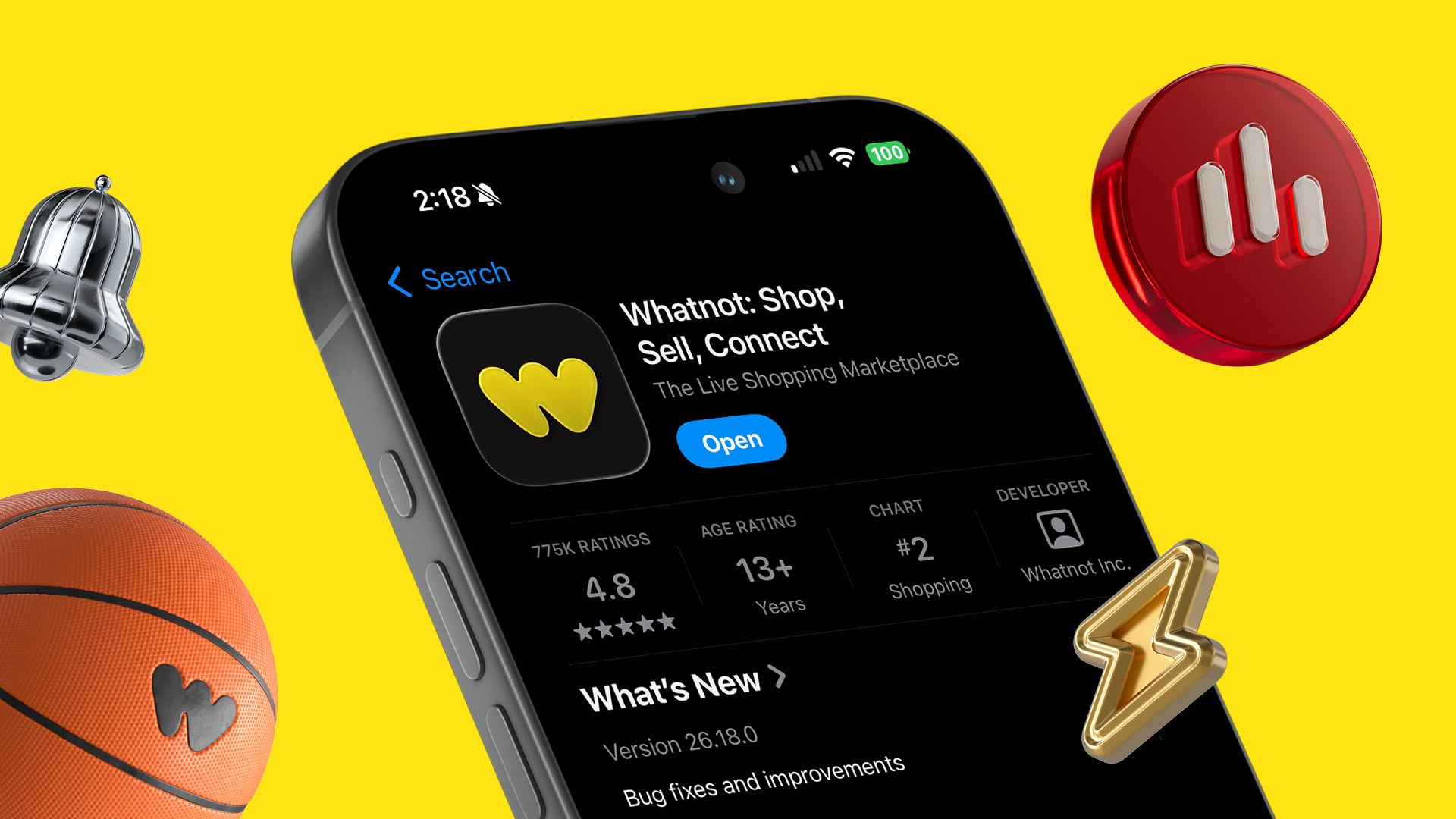
Whatnot, the livestream shopping app, now integrates with Shopify, opening the door for millions of merchants to sell on its platform.
www.modernretail.coLive shopping platform Whatnot released a Shopify plug-in. Shopify merchants can now sync catalog, inventory, and shipping settings with Whatnot and sell directly inside live streams.
Whatnot, valued at $10bn as of 2025, is the marquee US live commerce platform. Combined with Shopify's broader platform expansion (April 23 Avenue Z partnership), live commerce is moving from niche to mainstream.
Global E-commerce
South Korea FTC Designates Coupang Founder Bom Kim as De Facto Controlling Person — US-Korea Trade Friction Reignites

Korea's antitrust watchdog named Coupang founder Kim Bom-suk as the legally designated controller of the e-commerce platform, expanding disclosure obligations and chaebol-style oversight.
www.koreatimes.co.krSouth Korea's Fair Trade Commission (FTC) designated Bom Kim, founder of US-Nasdaq-listed Coupang Inc, as the platform's "de facto controlling person" for compliance and oversight purposes. The designation imposes personal disclosure and governance obligations on Kim and broadens transaction monitoring across group companies.
Coupang is preparing litigation in response. The Office of the US Trade Representative (USTR) has flagged concerns, and the treatment of "US companies" under KORUS is now becoming a diplomatic flashpoint.
The FTC also issued corrective orders to seven major EC players on April 28 regarding unfair terms of service. Asian e-commerce regulatory risk is now squarely in view.
Malaysia: Tune Talk Launches First Telco-Embedded E-commerce Platform

Malaysia's mobile service firm Tune Talk has on Tuesday launched Tune Talk Shop, an in-app e-commerce platform powered by Presto.
technode.globalMalaysian telco Tune Talk launched "Tune Talk Shop", an in-app e-commerce platform built on the Presto stack. It is Malaysia's first telco-led integrated e-commerce platform, allowing subscribers to shop with combined billing and loyalty point redemption.
In Southeast Asia, regional telcos are now embedding their own e-commerce capabilities alongside the super-app economies built by Grab, GoTo, and Sea (Shopee).
Consumer Trends
PayPal Survey: AI Agents Are Creating an "Invisible Storefront Economy"

A new PayPal survey finds most merchants still lack the infrastructure to compete, as AI agents increasingly drive product discovery and purchasing.
www.fastcompany.comA new PayPal survey highlights the rise of an "invisible storefront economy" driven by AI shopping agents. AI agents are taking on a primary role in product discovery and purchase, while most merchants — especially small and mid-sized ones — lack the visibility infrastructure to know whether their products are surfacing in agent flows.
PayPal's prescription is the "inventory bidding system", in which merchants bid for placement and conversion against rivals on agent surfaces. Together with Topsort, AdMarketplace, and Mirakl Agentic Activation, this signals the formal arrival of the agent SEO/SEA market.
Closing Thoughts
The defining theme of the day is that SaaS commerce platforms (BigCommerce, Shopify, eBay) and payments giants (PayPal, Visa, Mastercard, Stripe) all explicitly disclosed their architectural choices for agentic commerce on the same day. With Amazon's Q1 earnings positioning the company itself as a platform-layer winner and Andy Jassy explicitly framing it as the "growth engine for the next decade", the industry's agentic commerce implementation phase has formally begun.
In the payments protocol war, the UCP-ACP-AMP three-way race is now joined by the crypto-side four (OKX, Kite, Coinbase x402, Circle). FIS's "Proof, Not Promises" framework is emerging as the trust-layer governance lens.
What to watch next: follow-on announcements from BigCommerce Commerce Live, Adyen-Talon.One integration progress, the Coupang lawsuit, and marketplace adoption case studies for Mirakl and Topsort.