Visa Pilots Stablecoin Settlement in Canada: USDC Settlement and Agentic Ready Expansion Reshape Future Fees
Visa launches a USDC stablecoin settlement pilot in Canada with Wealthsimple while expanding Agentic Ready, moving to redesign settlement and fee structures for the AI commerce era.


Key Takeaways
- Visa launched a USDC stablecoin settlement pilot in Canada with Wealthsimple, integrating blockchain settlement into existing card settlement flows
- Visa simultaneously expanded its Agentic Ready program to Canada, bundling AI agent payments and stablecoin settlement to lay the groundwork for redesigning future fee structures
- E-commerce operators and payments teams should treat shorter settlement cycles and agent readiness as a current-quarter consideration, not a future concern
Why Visa Moved on Stablecoin Settlement and AI Commerce at Once

Visa has launched a stablecoin settlement program in Canada, including a trial with Wealthsimple, and is expanding its Agentic Ready program for AI powered commerce.
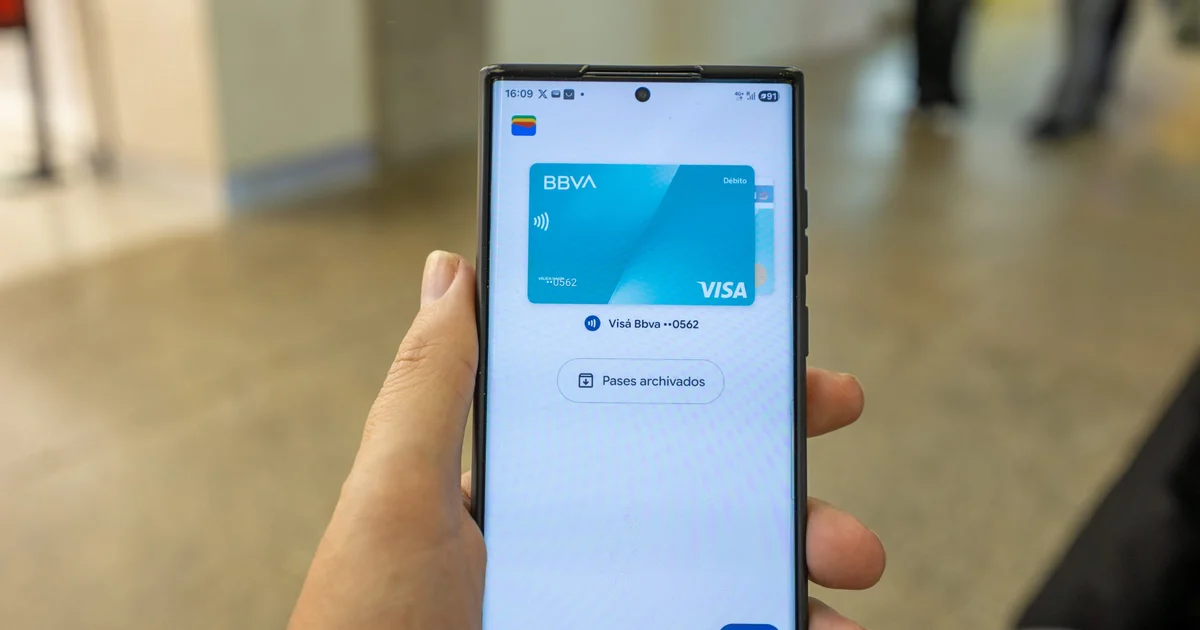
finance.yahoo.comOn May 5, 2026, Visa (NYSE: V) made two announcements in Canada on the same day. One was a USDC (USD Coin) stablecoin settlement pilot with the investing and finance app Wealthsimple. The other was the Canadian expansion of Agentic Ready, Visa's program for testing AI agent payments.
Reading these as two separate news items misses the point. What Visa is really after is reshaping the basic structure of payments — how money moves across the network, how it is settled, and where fees arise — to align with the rise of AI commerce. Stablecoins target the back end of the network (the settlement layer), while Agentic Ready targets the front end (where transactions originate). The two are best understood as two sides of the same strategy.
How the Wealthsimple Pilot Changes Settlement
Under this pilot, Wealthsimple can now satisfy certain settlement obligations to Visa Canada in USDC. What matters is that the card experience consumers see does not change. For users it remains an ordinary card transaction, while behind the scenes the clearing between Visa and Wealthsimple is carried out in stablecoin.
Traditional card settlement depends on banking business days and typically ran on a five-day cycle. This pilot extends that to seven-day, continuous settlement, decoupling clearing from banking hours. This is more than faster processing — it reduces the need to pre-fund accounts and improves treasury efficiency. Michiel Wielhouwer, President and Country Manager of Visa Canada, said "Canada is a natural home for what comes next in stablecoin settlement capability."
This move is part of Visa's global stablecoin strategy. Visa's stablecoin settlement volume grew 50% over the past quarter, reaching an annualized run rate of about 7 billion dollars. Similar pilots are already running across Latin America and the Caribbean, Europe, Asia Pacific, and CEMEA (Central Europe, Middle East and Africa), and Canada sits in that lineage. That said, Visa itself acknowledges stablecoins are not yet a material revenue driver, and the real impact depends on how quickly these pilots scale.
The Canadian Agentic Ready Rollout and Major Banks
Alongside renewing the settlement layer, Visa also moved Canada on the transaction-origination side. Agentic Ready is a program that lets banks safely test agent-initiated payments for agentic commerce, where AI agents search for products and complete payments on behalf of consumers.
The initial issuers for the Canadian version include BMO, CIBC, RBC, Scotiabank, and TD — Canada's five major banks. These banks validate the full flow of card enrollment, tokenization, authentication, and transaction authorization in controlled environments using live cards and real merchants. Visa Canada's Wielhouwer noted that "Visa Agentic Ready gives Canadian issuers a meaningful head start in preparing for agent-initiated commerce."
Agentic Ready originally began in Europe and the UK with over 20 partners, expanded to Asia Pacific and Latin America in late April, and was set to reach 85+ partners. Canada is the next market in this global rollout, built on Visa Intelligent Commerce, which Visa has already taken live with real transactions in the United States.
Where Stablecoins and Agents Intersect: the Fee Question
As the original headline signals, the heart of these two efforts is "future fees." Understanding this requires grasping how AI agent payments stress the economics of card rails.
Card-rail interchange runs roughly 1.5 to 3.5 percent of transaction value plus a per-transaction fixed fee, designed alongside chargebacks that assume a human dispute window and settlement bound by banking hours. But AI agents tend to split purchases into many small transactions in pursuit of the best price, and as small-ticket payments rise, the traditional fee structure becomes harder to justify. This very tension is why new protocols and payment methods are emerging.
Competitor moves fit the same context. Mastercard issues agent-specific tokens through Agent Pay, binding card credentials to a specific agent, merchant, and consent policy, while Stripe is raising its profile with the ACP (Agentic Commerce Protocol) co-developed with OpenAI and agent-oriented virtual cards. The significance of Visa foregrounding stablecoin settlement is that against the risk of being bypassed (account-to-account or stablecoin flows that skip the card network), Visa positions itself as the provider of that clearing layer, keeping transactions on its network. Even if fee pools compress in the agent era, Visa is working to reconstitute its revenue base around value-added services like settlement and fraud protection.
What E-commerce Operators and Payments Teams Should Do Now
Model the impact of shorter settlement cycles. If weekly and continuous settlement move toward becoming standard, your working-capital turnover and cash-flow assumptions change. It is worth confirming early how your PSP or payment partners plan to handle stablecoin settlement and faster clearing.
Inspect your payment partners' agent readiness in parallel. Whether your issuers or acquirers participate in pilots like Agentic Ready, and whether they can offer a checkout that supports network tokens, will make a difference as agent-driven purchasing takes off. Because agents compare prices across multiple stores to pick the best option, well-structured product data and price competitiveness matter even more than traditional UI/UX.
Stablecoin settlement also carries the variable of regulation. Visa itself notes that tighter scrutiny of digital-asset flows could raise compliance costs. Operators considering diversifying payment methods need to weigh both the efficiency gains and the regulatory and compliance costs.
Conclusion
Visa's two Canadian announcements bundle a renewal of the stablecoin settlement layer and the validation of AI agent payments under a single strategy. USDC clearing improves capital efficiency, Agentic Ready prepares the transaction foundation for the agent era, and together they point toward a redesign of the future fee structure.
What to watch next is how many issuers and fintechs beyond Wealthsimple join stablecoin settlement, how much volume clears via USDC, and whether Visa links these flows to Visa Direct and cross-border products. For e-commerce operators, settlement and agent readiness are no longer a distant-future topic but a premise to build into payments strategy.