Amazon Unveils Branded Conversations for Alexa for Shopping: How Brand Information Enters AI Answers and What Merchants Should Prepare
Amazon Ads announced Branded Conversations, a conversational ad format in Alexa for Shopping, at unBoxed 2026. We explain how it differs from Sponsored Prompts, what brands can control, how its design contrasts with ChatGPT ads, and which terms remain undisclosed.

Key Takeaways
- At unBoxed 2026 on September 29, 2026, Amazon Ads announced Branded Conversations, a conversational ad format inside Alexa for Shopping. The AI runs a multi-turn conversation informed by product knowledge the brand provides. It is labeled Sponsored and launches in the U.S. in January 2027
- Until now, Sponsored Brands prompts answered only from information Amazon already holds, such as product detail pages. Now the brand's own explanations feed into the AI's responses, a different design philosophy from ChatGPT ads, which promise that ads do not influence answers
- Conversation quality will depend on detail pages, Brand Stores, and product guides, and brands cannot choose which reviews the AI uses. Pricing details, whether competing products can appear in the conversation, and plans for Japan are not disclosed in the official announcement
A Brand Specialist Joins the Alexa for Shopping Conversation
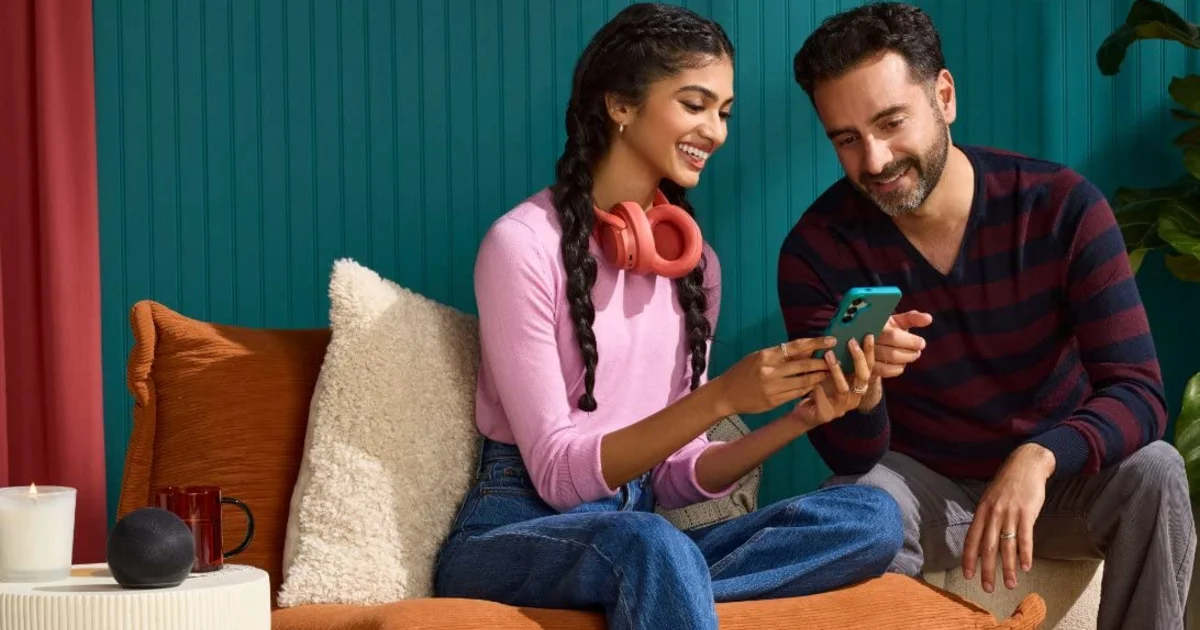
Amazon Ads introduces Branded Conversations and Review Requests to help brands connect with shoppers in AI-powered shopping experiences. Learn more.
advertising.amazon.comAsk "which one should I buy?" in an electronics store, and the person who answers is sometimes a representative sent by a manufacturer. They are helpful and knowledgeable, but the products they recommend are their own. Amazon's new ad format brings this arrangement inside an AI shopping assistant.
On September 29, 2026, Amazon Ads announced Branded Conversations at unBoxed 2026, its advertiser event in San Francisco. Amazon describes it as "the next evolution of Sponsored Brands prompts." Sponsored Brands prompts are ads that place a question button, such as "Why choose this brand?", in search results or on product pages. Tapping it starts a conversation with the AI.
The biggest change is where the AI's information comes from. Existing prompts converse using only Amazon's first-party signals, such as product detail pages, the Brand Store, and campaign data. Branded Conversations adds expertise provided by the brand itself.
Amazon's example is skin care. If a brand supplies information on which cleanser suits which skin type and how it pairs with toners and serums, Alexa for Shopping can tailor its answer to a shopper who taps a prompt like "Help me build a daily routine."
The ads are clearly identified, with a Sponsored label inside Alexa for Shopping. They launch in January 2027, starting in the United States. Muthu Muthukrishnan, Vice President of Sponsored Ads at Amazon Ads, says the format lets brands bring their product expertise and storytelling into those conversations at the moment of decision.
What Changes From Sponsored Prompts
Some background on prompt ads first. Sponsored Products prompts and Sponsored Brands prompts launched in open beta in November 2025 and became generally available in the U.S. on March 25, 2026. They are automatically enrolled in existing campaigns, and cost-per-click (CPC) billing began with general availability.
In May 2026, Amazon merged its shopping assistant Rufus with its personal AI Alexa+ and built the result, Alexa for Shopping, into the search bar. In a June article, Amazon Ads emphasized that Alexa can carry an advertised product all the way to purchase, unlike ad surfaces that end with a click-through to another website.
Prompt ads so far have mostly worked like a single question and answer. Branded Conversations treats the entire conversation after the tap as ad territory.
| Item | Sponsored Brands prompts (current) | Branded Conversations |
|---|---|---|
| Conversation | A question button opens a conversation, close to single Q&A | A button leads into a multi-turn conversation with suggested follow-up questions |
| Information the AI uses | Amazon first-party signals such as detail pages, Brand Store, and campaign data | The same, plus product knowledge the brand provides through a conversational brief |
| Brand involvement | Automatically enrolled in existing campaigns | Can specify complementary products and features. Cannot choose which reviews appear |
| Prompt wording | Generated by Amazon | Generated by Amazon |
| Display | Labeled Sponsored | Labeled Sponsored. Conversation screen uses the brand's colors and imagery |
| Pricing | Cost per click (CPC) | Not disclosed in the official announcement (Pacvue says only the first prompt click is charged) |
| Availability | Generally available in the U.S. since March 25, 2026 | Launching in the U.S. in January 2027 |
The trade publication AdExchanger compares the two to existing ad units. Sponsored Prompts are akin to sponsored listings in search, while Branded Conversations are an agentic version of the "Frequently bought together" ads on product pages. AdExchanger writes that the aim is bundles and upsells.
The unBoxed demo went like this. A shopper searches for the generic term "coffee maker" and sees a sponsored prompt that says "Help me decide." Tapping it opens a conversation screen in the brand's colors, fonts, and imagery. As the shopper picks follow-up prompts such as "maximum automation" or "fresh ground beans," the espresso machine options narrow down.
What Brands Can and Cannot Control
How much say do brands have in the AI's conversation? Amjad Jbara, director of applied science for sponsored products at Amazon Ads, outlined the boundaries in his interview with AdExchanger.
Brands supply information through what Amazon calls a "Conversational Brief." It lets them tell Amazon which products are often bought together and use a free text field for product descriptions, features, and use cases. Ad management platform Pacvue explains that the brand's catalog, product guides, compatibility information, imagery, and video become material for the conversation.
There are lines brands cannot cross. Asked whether a brand could make favorable reviews more visible in AI answers, Jbara's answer was "No." Brands cannot choose which reviews the AI surfaces. The prompt wording is also generated by Amazon, not the brand. If an advertiser puts information in the brief that violates the guidelines or is false, Amazon says it will give feedback through the console.
In early testing, Amazon says nearly 20% of shoppers who interact with a Sponsored Brands prompt continue the conversation about that brand. Pacvue relays Amazon's claim that shoppers who use Sponsored Prompts convert 48% more often. Both figures come from Amazon, and the comparison conditions are not public.
Pricing is not mentioned in Amazon's official announcement. According to Pacvue, Branded Conversations starts from Sponsored Brands collection ads, turns on automatically for those campaigns, and charges only for the first prompt click. That would mean no extra cost however many turns the conversation runs, but it is safer not to assume this until Amazon confirms it.
How to Read Ads Inside the Answer
The key to reading this announcement is the comparison with OpenAI. For ChatGPT ads, OpenAI has set out a principle of "answer independence": ads do not influence the answers ChatGPT gives. Its help page states that ads run on separate systems from the chat model and that advertisers cannot shape, rank, or alter responses. Ads appear below the answer, visually separated.
Branded Conversations takes the opposite approach. Information supplied by the advertiser becomes material for the AI's response itself. Amazon draws its line by labeling the experience Sponsored and by not allowing review selection. Rather than separating answer and ad, the whole conversation is presented as an ad.
That comes with caveats. AdExchanger notes that in the demo, the shopper did not see a list of options with one sponsored slot at the top. Instead, the options narrowed early in the search, often quickly landing on one particular product, which was sponsored. Because Amazon writes the prompt wording, a neutral-sounding phrase like "Help me decide" leads into a specific brand's storefront.
When a conversation runs long, how well shoppers keep the Sponsored label in mind depends on the display design. The official announcement does not say:
- Whether products from competing brands can appear during the conversation
- How the Sponsored label is shown on each turn of the conversation
- Which source takes priority when the brand's description conflicts with Amazon's first-party information
All of these are undisclosed. Alexa for Shopping also makes non-sponsored comparisons and recommendations, so whether shoppers can tell the two apart will decide whether trust holds.
Reviews and the Ad Platform Are Being Rebuilt Too
On the same day, Amazon announced an ad format for collecting the reviews that feed AI judgments. Review Requests invites customers who bought a product to leave a star rating or review with a single tap on Amazon's highest-traffic pages, such as the homepage. Eligible products have fewer than 1,000 total ratings and reviews, and campaigns pause automatically when a product reaches 1,000.
Amazon says weekly ratings and reviews roughly tripled in a closed beta in June 2026. The launch timing differs between sources: Amazon's news article says November 2026, while the product announcement page says an open beta in the U.S. in late October. According to AdExchanger, incentives such as samples or discounts are not allowed, and billing is per click. AdExchanger points out that advertisers may pay for clicks from people who leave without writing a review, and that they still pay if the reviews they gather are poor.
On the operations side, the platform that unified the ads console and Amazon DSP has been renamed Amazon Ads Agent. Full-Funnel Campaigns, where advertisers provide a budget and products and Amazon's AI optimizes across ad surfaces, is available in the U.S., and according to MediaPost requires a minimum daily budget of $100.
What Merchants Can Prepare Now
Plans for Japan have not been disclosed, and for now the direct impact falls on sellers on Amazon's U.S. store. Even so, the preparation is the same in any country.
The first task is getting the material the AI reads in order. Prompt ads already run on product detail pages and Brand Store content, and that foundation does not change with Branded Conversations. As Pacvue points out, keeping product guides, compatibility details, and imagery current shifts from back-office work to producing material the AI draws on directly. Writing down what an in-store specialist would say, such as how to choose by skin type, which products pair together, and when to use them, also gives you content you can put straight into a brief.
Reviews come next. Brands cannot choose which reviews the AI surfaces, so the number and substance of ratings shape the conversation. For new products with few reviews, Review Requests is an option, but what the ads collect are genuine ratings. Product quality itself comes first.
Finally, measurement. Which turn of the conversation led to a purchase, and at what granularity it will be reported, are undisclosed. Before launch, check what will change from your existing prompt ad reports.
Conclusion
Branded Conversations is an ad product that formally brings the advertiser's voice into the answers of an AI shopping assistant. Where OpenAI chose to keep answers and ads separate, Amazon chose to present the whole conversation as an ad.
Which approach earns shoppers' trust can be judged only after the January 2027 launch, once the display design and the treatment of competing products become clear. Until then, what merchants can do is raise the quality of the product information the AI reads and the reviews it draws on.