AI Commerce News Digest (May 11, 2026)
Alibaba integrates Qwen AI with Taobao to launch chat-style agentic shopping; Amazon quietly builds a 40-person team to connect its marketplace with ChatGPT; PayPal and Google reps declare at Consensus Miami that agentic commerce will run on crypto rails; ARK projects $8 trillion in AI agent commerce by 2030; Aicommerce launches proprietary AI agents; Indonesia overhauls e-commerce policy.


Key Takeaways
- Alibaba integrates its Qwen AI platform with Taobao to launch chat-style agentic shopping, moving from keyword search to conversational commerce as China's largest e-commerce player advances its AI gateway strategy. Meanwhile, Amazon has quietly assembled a dedicated 40-person team to integrate its marketplace with third-party AI agents including ChatGPT, signaling a strategic shift to embrace external agentic traffic.
- At Consensus Miami, senior PayPal and Google Cloud executives declared that agentic commerce will run on crypto rails, identifying open payment protocols, machine-readable merchant catalogs, and multi-party crypto custody as essential infrastructure. ARK Invest projects AI-agent-driven online shopping will reach $8 trillion globally by 2030, with PayPal, Visa, and Stripe leading infrastructure buildout.
- On the implementation layer, Aicommerce launched its proprietary AI agent suite, while Tipalti and Lightspeed advanced their AI strategies. Globally, Indonesia is overhauling its e-commerce regulations and Douyin entered self-operated e-commerce to compete head-on with JD.com and PDD Holdings.
Today's Top Stories
Alibaba Integrates Qwen AI with Taobao to Launch Chat-Style Agentic Shopping

Alibaba is preparing to unveil the integration of its AI platform Qwen and online marketplace Taobao, a move that seeks to drive shopping with conversations rather than keyword searches.
www.reuters.comAlibaba is preparing to integrate its proprietary generative AI platform Qwen with Taobao, one of China's largest online marketplaces, transforming shopping from keyword search to fully conversational agentic commerce. Reuters, SCMP, and Economic Times reported simultaneously that Alibaba plans a formal announcement at a May 15 event.
This positions Qwen×Taobao as the consumer-facing pillar of Alibaba's AI gateway strategy, complementing its B2B "Accio Work" agent (230,000 enterprise adopters, covered in our May 4 article). As e-commerce fundamentally shifts from search-ad-driven to dialog-interface-first, Alibaba leverages its dominant China position to offer an end-to-end vertical stack of proprietary AI and proprietary commerce.
Amazon Quietly Builds 40-Person Team to Connect Marketplace with ChatGPT
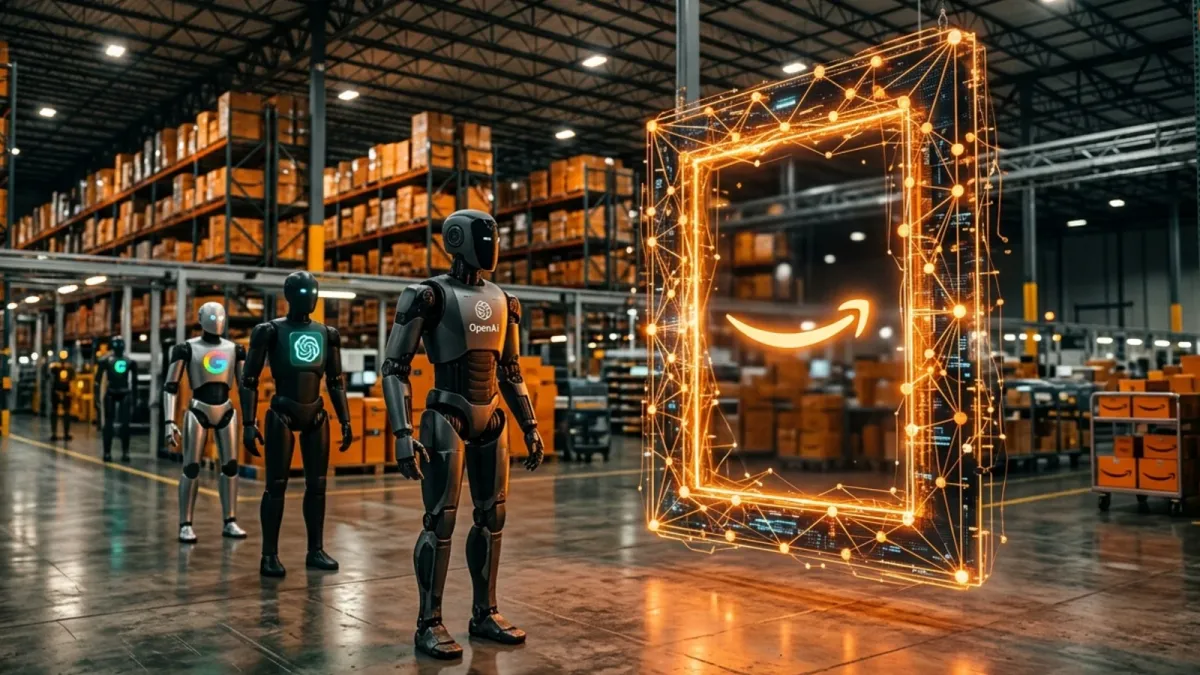
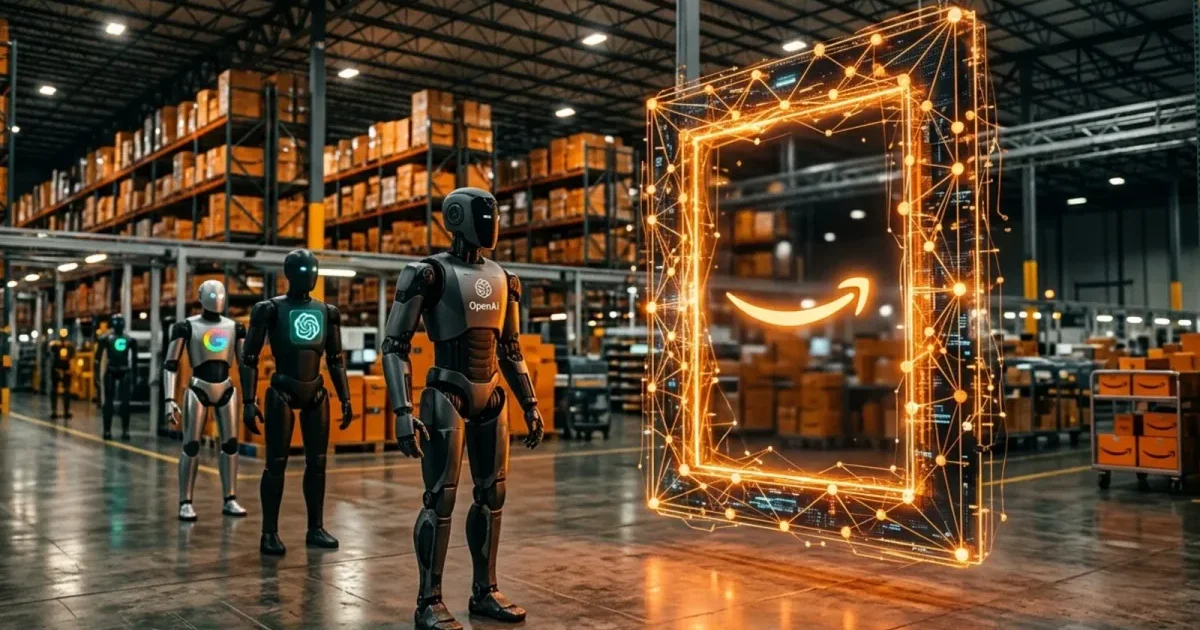
Amazon posted a job listing for a Principal TPM to lead a dedicated 40-person team integrating its marketplace with third-party AI agents including ChatGPT.
ppc.landPPC Land's exclusive reporting reveals that Amazon has posted a Principal TPM job listing to lead a dedicated 40-person team building integrations between its marketplace and third-party AI agents, including ChatGPT. Job duties include "designing the integration framework for external AI agents" and "drafting agent-readiness guidelines for merchants and sellers."
While "Join the Chat" (covered in our May 8 article) extended Amazon's in-house Rufus assistant, this new initiative marks a strategic pivot toward absorbing traffic from external AI agents. Combined with CEO Andy Jassy's positioning of agentic commerce as a next growth engine, this sharpens the competitive battle with Shopify (whose ChatGPT/Claude connections were covered in our May 6 article).
PayPal and Google Declare at Consensus Miami: Agentic Commerce Will Run on Crypto Rails
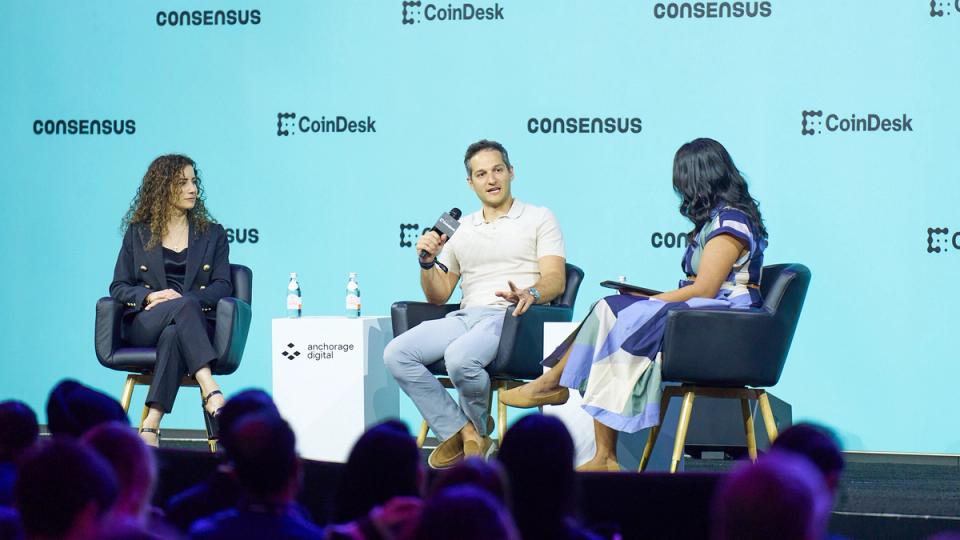
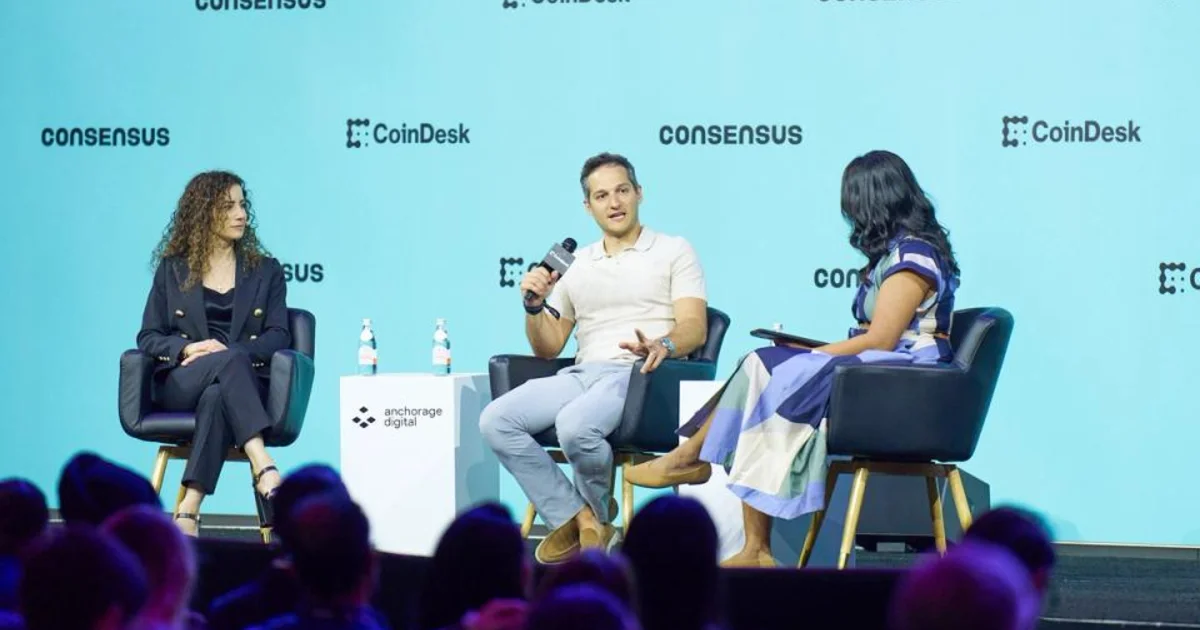
Senior figures from PayPal and Google Cloud said open payment protocols, machine-readable merchant catalogs and multi-party crypto custody are needed to scale agentic commerce.
www.coindesk.comAt CoinDesk's Consensus Miami conference, senior executives from PayPal and Google Cloud publicly declared that crypto rails are necessary to scale agentic commerce. PayPal highlighted open payment protocols and machine-readable merchant catalogs, while Google Cloud emphasized multi-party crypto custody as prerequisites for AI agents to execute payments safely.
Combined with prior coverage on Solana×Google Cloud Pay.sh (May 7) and AWS AgentCore Payments with Coinbase/Stripe (May 8), this signals that US tech and payment giants are seriously promoting a hybrid "card rails + crypto rails" architecture. For merchants, supporting not just cards but also stablecoins and tokenized assets in checkout is becoming a condition for capturing agentic-commerce traffic.
ARK Invest: AI-Agent-Driven Online Shopping to Hit $8 Trillion by 2030

ARK projects $8 trillion in AI agent commerce by 2030 as several firms race to build the payment infrastructure.
finance.yahoo.comCathie Wood's ARK Invest released a new report projecting that AI-agent-driven online shopping will reach $8 trillion by 2030 — surpassing the current global online shopping market of roughly $6 trillion. ARK names PayPal, Visa, and Stripe as leaders in building the underlying infrastructure.
Compared to Retail Dive's May 6 projection of $1 trillion for US agentic commerce in 2030, ARK's forecast is dramatically more bullish but captures the full global market. Merchants now have a long-range planning baseline that "AI-agent-mediated transactions could match or exceed today's entire e-commerce market."
Agentic Commerce
Aicommerce Launches Proprietary AI Agent Suite for E-commerce
Aicommerce launches a suite of proprietary AI agents purpose-built for e-commerce operations and scaling.
natlawreview.comE-commerce-focused AI platform Aicommerce officially launched its proprietary suite of AI agents covering order processing, inventory management, customer support, and marketing automation. The product targets growth-stage mid-market merchants, joining Salsify's SalsifyIQ (May 6 article) and ZyG's $60M Series A (May 6 digest) as the wave of "agent-stack for EC operators" startup entrants accelerates.
Tipalti Highlights Infrastructure Needs for AI- and Creator-Driven Commerce

Tipalti highlights the emergence of agentic commerce and infrastructure needs.
www.tipranks.comPayment automation SaaS Tipalti emphasized the growing back-office infrastructure demand created by both agentic and creator-driven commerce. AI agents handling B2B procurement or creator payouts strain AP processing, global remittance, and tax compliance — areas Tipalti, Stripe Billing, and OpenPayd are competing to modernize.
Google UCP Adds Carts, Catalogs, and Loyalty Features (Update)

Google announced updates to the Universal Commerce Protocol (UCP) that add multi-item cart support, real-time catalog queries, and identity linking for loyalty benefits.
letsdatascience.comGoogle added multi-item cart support, real-time catalog queries, and loyalty-ID linking to UCP (Universal Commerce Protocol), and simplified Merchant Center onboarding. Following our May 7 coverage of UCP expanding to main search, UX is moving rapidly from single-item checkout to full multi-item cart with loyalty points. Participating merchants include Mastercard, Visa, Walmart, Target, and Best Buy.
Visa Remains "Wide-Moat" Play as Agentic Commerce Expands (Update)
Visa expanded its Agentic Ready program to issuers in Canada.
finance.yahoo.comFollowing the May 5 expansion of its Agentic Ready Program to Canadian issuers and the May 7 Q2 earnings declaration of agentic commerce as a next growth engine, Visa is increasingly viewed by investors as maintaining its wide moat into the AI era. Insider Monkey and Yahoo Finance both spotlight Visa as a top "AI-era quality stock."
Global E-commerce Trends
Indonesia Overhauls E-commerce Regulations After MSME Complaints

The Indonesian Minister of Trade announced that the government is in the process of revising the policy on the e-commerce and marketplace ecosystem.
en.tempo.coIndonesia's Ministry of Trade announced a full review of e-commerce and marketplace regulations, citing complaints from MSMEs about fees and listing rules. Combined with the May 7 news on banning under-16 e-commerce use, Southeast Asia's largest EC market is entering a major regulatory inflection point.
Platforms like Shopee, Lazada, TikTok Shop, and Tokopedia face higher compliance costs across fee structures, content moderation, and age verification. Japanese cross-border sellers will likely need to revisit KYC and customs logic.
Douyin Enters Self-Operated E-commerce, Taking on JD.com and PDD Head-On

Douyin's self-operated flagship stores are shipped by its own outlets including local warehouses or partner logistics centers.
news.futunn.comChina's Douyin (TikTok) launched self-operated flagship stores with its own warehouses or partner logistics centers offering next-day delivery in select regions. The move expands beyond livestream commerce into direct-sales fulfillment, putting Douyin in direct competition with JD.com and PDD Holdings (Pinduoduo).
Korea EC: Daiso and Uniqlo Outpace AliExpress and Temu as Consumers Seek Value
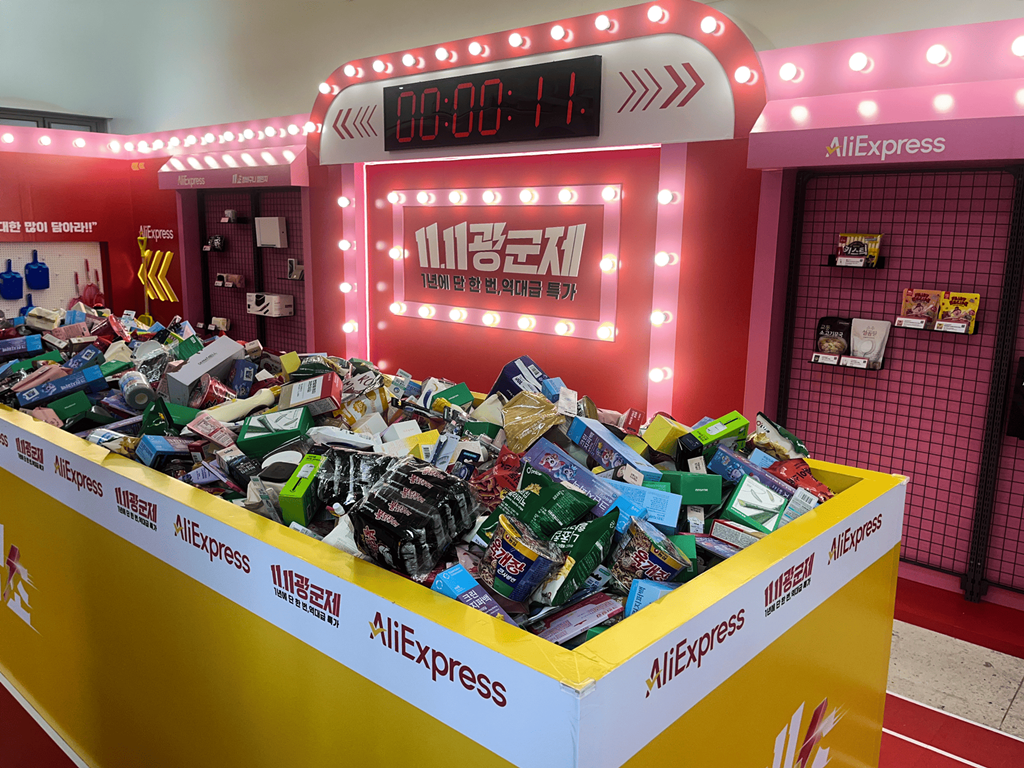
Chinese online retail platforms are losing growth momentum in South Korea as Daiso and Uniqlo regain share.
www.kedglobal.comIn South Korea, Daiso and Uniqlo are outperforming AliExpress and Temu as consumers shift from rock-bottom pricing toward product quality and store experience. Aligned with the May 7 Coupang data breach fallout, Korea's e-commerce competition is transitioning from "lowest price" to "service quality."
Logistics & Fulfillment
Amazon Leases 280,000 sq ft Warehouse in Bengaluru's Nelamangala

Amazon India leases 2.8 lakh sq ft warehouse in Nelamangala, boosting Bengaluru logistics capacity.
www.storyboard18.comAmazon India signed a lease for a 280,000 sq ft warehouse in Nelamangala on the outskirts of Bengaluru. The move strengthens South India logistics infrastructure aligned with Amazon Supply Chain Services (May 5 coverage) and intensifies competition with local players like Walmart Flipkart, JioMart, and Meesho.
Corporate & Partnerships
Walmart Aims to Scale India's Digital Brands Globally — CEO-Level Forum

Walmart CEO John Furner met Indian digital brand founders, offering global e-commerce scale and marketplace access.
www.whalesbook.comWalmart International CEO John Furner hosted a direct forum with founders of major Indian digital brands, proposing global rollout via Walmart.com and Sam's Club. Indian DTC brands gain a direct route to US distribution, paired with Meesho's AI-driven growth (May 7 coverage) showing Indian EC's globalization is accelerating.
Exclusive: Ozon Greater China President on Chinese Sellers Flocking to Russia

A market with an underestimated population of 250 million starts to thrive.
eu.36kr.comSimon Huang, President of Russia-based marketplace Ozon's Greater China division, told 36Kr that Chinese sellers are flooding into Russia as Western markets tighten regulations and tariffs. Russia and CIS represent an "underestimated" 250-million-person market that's emerging as the next destination after Europe and the US.
Lightspeed Commerce Stock Up 6.1% on New AI CTO Effect (Update)

Lightspeed Commerce appointed Bhawna Singh as Chief Technology Officer and rolled out new AI-driven features.
simplywall.stLightspeed Commerce stock jumped 6.1% following the May 8 announcement of Bhawna Singh as CTO and a wave of AI product launches. Simply Wall St highlights whether AI investments truly reduce mid-market retailers' operational load as the key — placing Lightspeed alongside Shopify, VTEX, and Cafe24 in the POS/omnichannel AI-pivot race that investors are re-evaluating.
Summary
May 11 in EC and AI commerce was defined by "Alibaba's Qwen×Taobao integration and Amazon's ChatGPT-connection team formation" — the two leading global EC powers simultaneously surfacing their distinct agentic-commerce approaches. Alibaba is pursuing vertical integration with proprietary AI and proprietary EC, while Amazon pursues horizontal integration by absorbing external AI agent traffic. Agentic-commerce architecture is bifurcating into Chinese and American patterns.
In the payments layer, PayPal/Google's "crypto rails" declaration and ARK Invest's "$8T by 2030" forecast both signaled that the long-term EC market is rewriting itself around AI agents. For merchants, the readiness of checkout, catalogs, and APIs for agentic interactions is emerging as a universal requirement — independent of which platform alliance you join.