AI Commerce News Digest (June 17, 2026)
Nykaa partnered with OpenAI to sell inside ChatGPT, Adyen launched its Adyen Agentic API suite, and Worldline, ING, and Mastercard completed Europe's first live agentic payment. A digest of the key agentic commerce news from June 16, 2026, with takeaways for online retailers.


Key Takeaways
- India's beauty leader Nykaa partnered with OpenAI to make Nykaa Beauty and Nykaa Fashion available as connected apps inside ChatGPT, stepping into AI-native commerce.
- Payments giant Adyen announced Adyen Agentic, a suite of modular APIs that brokers sales through conversational AI platforms, intensifying the race among payment players for the agentic commerce layer.
- Worldline, ING, and Mastercard completed Europe's first end-to-end agentic payment transaction in a live environment, advancing the consent and oversight framework for payments delegated to AI.
The agentic commerce news from June 16 marked a day when the technology moved into implementation across two distinct fronts at once: retail and payments. India's Nykaa opened a storefront inside ChatGPT with OpenAI, Europe's Adyen shipped APIs that bundle payments routed through AI platforms, and Worldline and its partners settled an AI-agent payment as a live transaction. In today's digest, we break down the two headline stories in detail, then organize the key news across agentic commerce, payments, and market trends.
Today's Top Stories
Nykaa x OpenAI: Selling beauty and fashion inside ChatGPT as 'AI-native commerce'
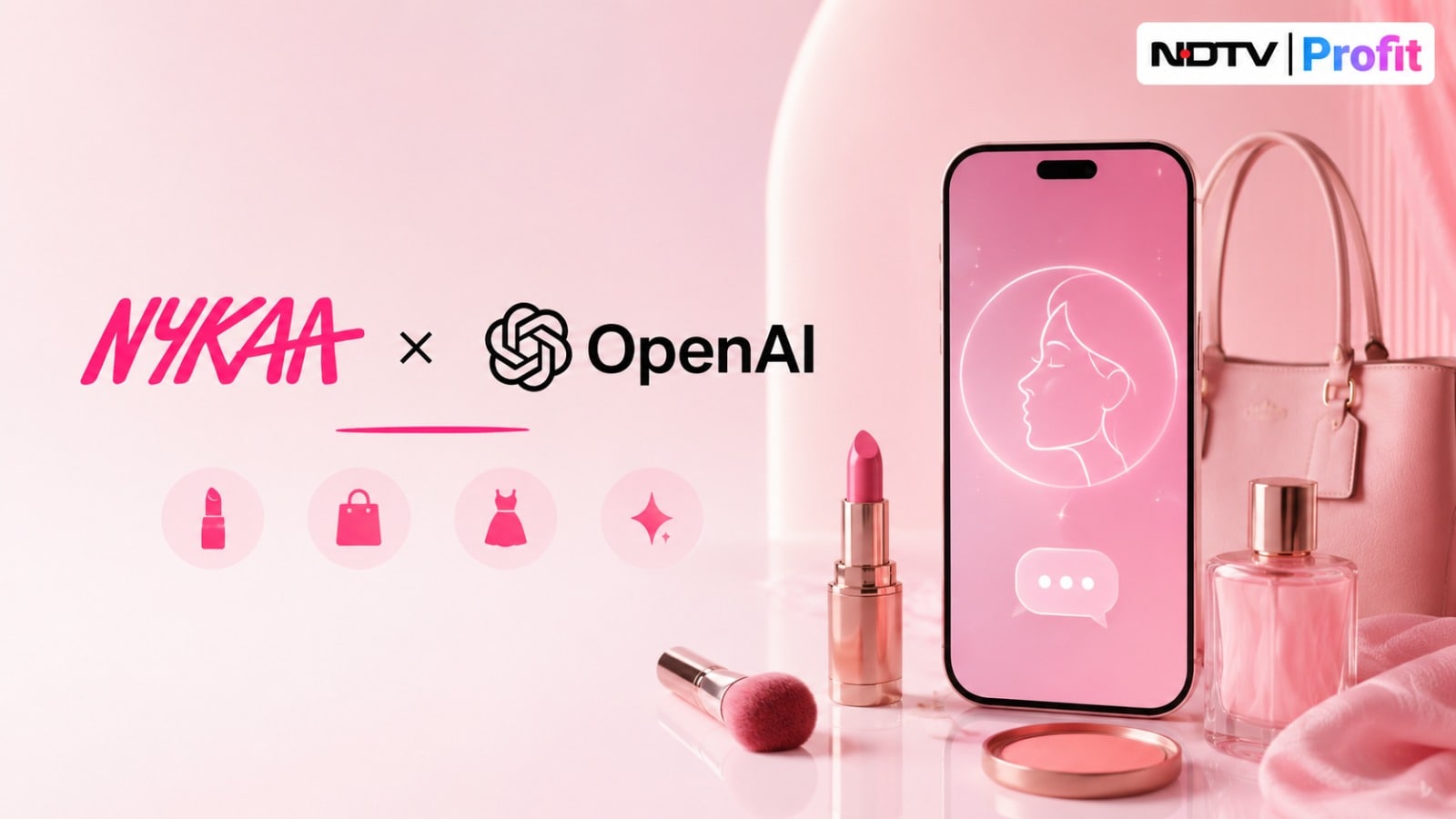
Under the arrangement, Nykaa Beauty and Nykaa Fashion will be available as connected apps inside ChatGPT.
www.ndtvprofit.comIndia's leading beauty and fashion e-commerce player Nykaa has partnered with OpenAI to build out "AI-native commerce." Through the deal, Nykaa Beauty and Nykaa Fashion will be available as connected apps inside ChatGPT.
ChatGPT users will be able to discover products in the flow of conversation and access Nykaa's catalog. Against the traditional purchase journey that starts from a search engine or the brand's own app, the idea here is that the conversation with an AI assistant itself becomes the new entry point.
What stands out is that this is an emerging-market version of OpenAI's retail vertical integration. After Korea's Musinsa and Europe's Zalando, a major player in India's vast, fast-growing market is moving into in-assistant commerce. For Japanese retailers too, organizing product data so AI can correctly understand, recommend, and transact your products is becoming a real investment theme.
Full article: Nykaa x OpenAI: Selling beauty and fashion inside ChatGPT as 'AI-native commerce'
Adyen unveils Adyen Agentic, an API suite for AI commerce

Adyen launches Adyen Agentic, a suite of modular APIs designed to facilitate sales through conversational AI platforms.
ca.investing.comPayments giant Adyen has announced Adyen Agentic, a set of modular APIs that support sales routed through conversational AI platforms. The company positions it as a "universal translator" connecting the next era of commerce.
Adyen Agentic comprises multiple APIs that broker product presentation, cart, and payment with AI platforms. American Express, Mastercard, Salesforce, and Visa are listed as early participants, and the design supports the major agentic commerce protocols including UCP, AP2, and ACP.
After Visa's Trusted Agent Protocol, Mastercard's Agent Pay, and Stripe's Shared Payment Tokens, the picture of payment players competing to lock down the foundation of AI commerce has come into even sharper focus. For retailers, which payment infrastructure connects to which AI platform is gaining weight as a selection criterion.
Full article: Adyen unveils Adyen Agentic, an API suite for AI commerce
Agentic Commerce
Phaedon links loyalty to ChatGPT, Claude, and Gemini with Tally AI Connector

Phaedon launched the Tally AI Connector, making Tally the first loyalty platform to bring real-time rewards into ChatGPT, Claude and Gemini.
www.businesswire.comLoyalty technology provider Phaedon has launched the Tally AI Connector, which links membership program point balances, benefits, and redemption directly to major AI assistants including ChatGPT, Claude, and Gemini. The company says it is the first to connect a loyalty platform directly to these AIs.
Users will be able to check points, use status benefits, and redeem rewards within a conversation with an AI. When people hand trip and shopping planning to an AI, embedding loyalty benefits into that context becomes a new touchpoint for brands to retain customers.
This reflects agentic commerce extending from product search and payments into membership perks and rewards, and how to expose the points economy to AI is emerging as a marketing challenge.
commercetools partners with Mirion Technologies on a B2B commerce AI agent
commercetools partners with Mirion Technologies on a B2B Commerce AI Agent to reduce manual order processing and accelerate revenue.
www.prnewswire.comCommerce platform commercetools has announced a partnership with radiation-detection technology firm Mirion Technologies to build a B2B commerce AI agent. The goal is to cut manual order processing and accelerate revenue.
B2B transactions have long been considered hard to automate, carrying their own processes such as quoting, approvals, and complex product configurations. By having an AI agent take over such order processing, companies can reduce the burden on sales staff and speed up transactions.
This is agentic commerce, which has advanced on the consumer side, extending upstream into B2B. The more complex an industry's commercial flows, the greater the impact of having AI handle the work.
Payments & Fintech
Zip x Stripe support shared payment tokens for agentic commerce

Zip US announced that it will extend its flexible payment solutions into agentic commerce by supporting Stripe's Shared Payment Tokens.
www.pymnts.comBNPL (buy now, pay later) provider Zip US has announced support for Stripe's Shared Payment Tokens, extending flexible payment options into agentic commerce.
Shared Payment Tokens are a mechanism for AI agents to securely execute payments on a consumer's behalf. By supporting them, Zip makes options like installments and deferred payments available even in AI-mediated transactions.
As payment players connect their card and tokenization infrastructure to AI commerce, BNPL providers are now riding the same wave. The direction is toward preserving a diversity of payment methods even for purchases handed off to AI.
Worldline, ING, and Mastercard complete Europe's first end-to-end agentic payment

Worldline, ING and Mastercard have completed Europe's first live end-to-end agentic payment transaction.
thefintechtimes.comPayment processor Worldline, bank ING, and card network Mastercard have completed Europe's first end-to-end agentic payment transaction in a live environment. It demonstrates that an AI agent can securely execute a cross-border payment with consumer consent and issuer oversight.
What matters is that this was a real transaction, not a pilot. It offers one concrete answer to the institutional question in agent payments of "who approves and who bears responsibility."
The move to harden the trust layer of payments through implementation is accelerating in Europe too. The framework of "consent" and "oversight" for handing payments to AI is taking shape as an industry standard.
Algorand launches the $100,000 Global x402 Challenge
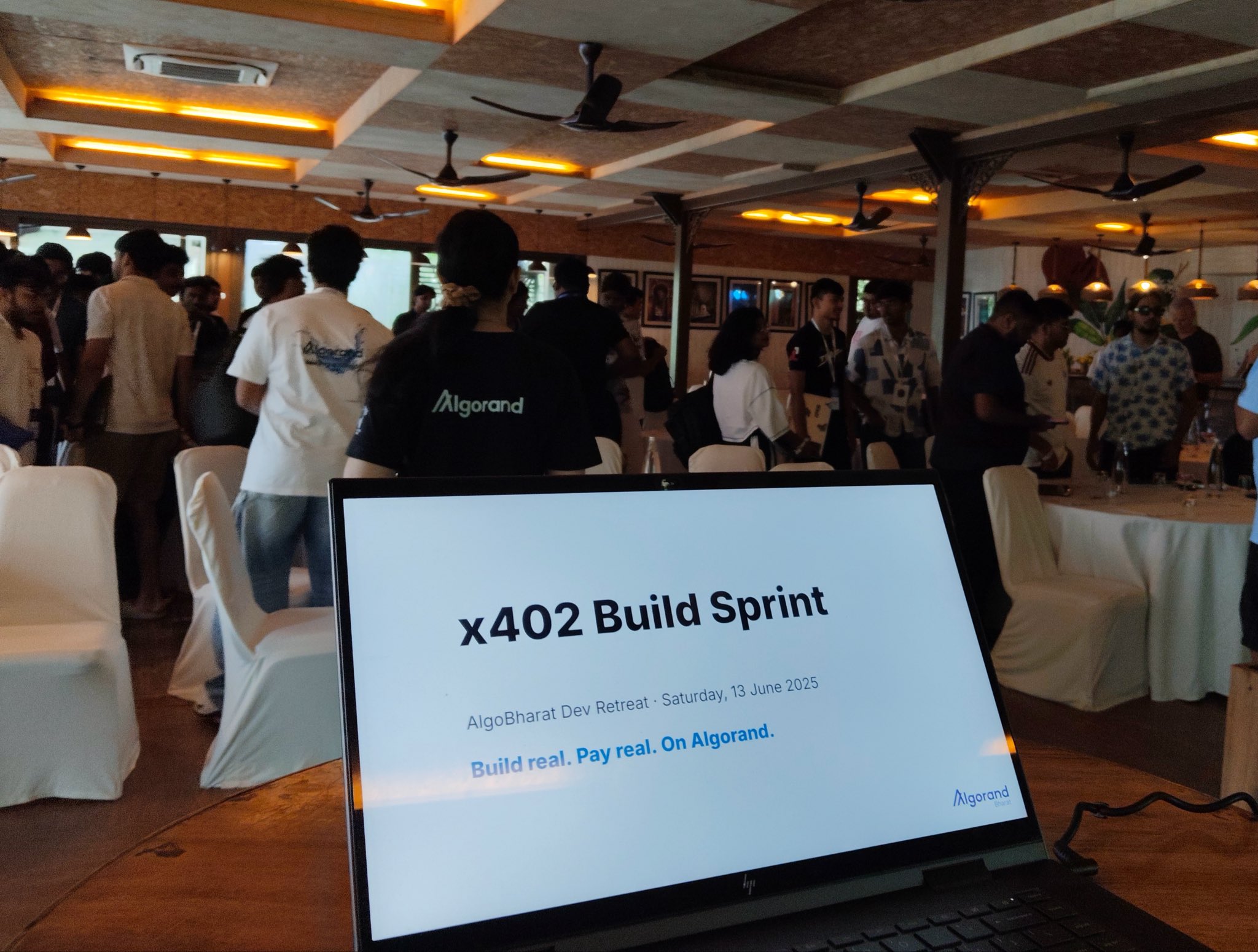
Algorand launched the Global x402 Challenge, a five-month competition with a $100,000 prize pool for developers building pay-per-request services for AI agents using the x402 protocol.
blockster.comBlockchain platform Algorand has launched the Global x402 Challenge, a five-month developer competition with a $100,000 prize pool. It targets developers building pay-per-request services for AI agents using the x402 payments protocol.
x402 leverages HTTP's "402 Payment Required" to let AI agents automatically make micropayments each time they use an API or service. It is drawing attention as a foundational technology for the agent economy, where machines complete payments to one another without a human in the loop.
Spreading a payment protocol requires a deep developer ecosystem. Increasing implementation examples through a prize competition is part of the standardization race around x402.
Market & Consumer Trends
McKinsey analyzes the 'agentic advertising economy' — from attention to action

As AI changes how consumers discover products, advertising value will shift to the players that can shape what is seen, selected, and purchased.
www.mckinsey.comMcKinsey has published a report on where advertising value moves as AI changes how consumers discover products. It depicts a shift from traditional advertising that competes for consumer "attention" to an era where AI shapes what gets "seen, selected, and purchased."
The crux of the report is the view that advertising value shifts from a stage of competing for exposure to a stage of influencing AI's recommendation, selection, and purchase process. The more AI assistants take on purchase decisions, the more brands need to invest in a new kind of optimization to get chosen by AI.
As search engine optimization (SEO) shifts its center of gravity toward AI optimization (AEO/GEO), the very allocation of marketing budgets is being called into question.
Summary
What ran through the day's news was a tangible sense that agentic commerce has moved from "experiment" to "implementation." Nykaa set up shop inside ChatGPT, and Adyen shipped APIs that broker payments. Worldline and partners settled an AI payment as a real transaction, and McKinsey theorized the shift in advertising value. Across both retail and payments, preparations to be "chosen and paid" by AI are advancing in parallel. For online retailers, how to expose product, inventory, and rewards data to AI is shaping up to be the issue that decides tomorrow's competition.