AI Commerce News Digest (July 6, 2026)
India debates payment and authentication infrastructure for agentic AI, Hostinger reframes site-free ecommerce, Naver Plus Store wins the 2026 NCSI, and more agentic commerce news of the day.

Key Takeaways
- In India, a debate is emerging over redesigning payment and authentication infrastructure for agentic AI in fintech
- Hostinger champions site-free ecommerce with Quick Links, which turns a product photo into a payment-enabled sales link
- Korean e-commerce players are also in focus, with Naver Plus Store's NCSI customer satisfaction win and Coupang's recovery
Here is the AI commerce news for July 6. Coming off the weekend, today's news centers on analyses of market structure rather than major product launches. From India comes an argument for rethinking payment infrastructure for the agent economy, and from the US, a signal of structural change toward selling without a website. In Korea, major e-commerce players are also in the news, with Naver Plus Store's customer satisfaction win and Coupang's recovery.
Today's Top News
India's Agentic AI Ambitions in Fintech Call for an Infrastructure Rethink

Use cases raise questions around permissions and security, as deployments progress beyond proof-of-concept
www.business-standard.comIndia's Business Standard published an analysis arguing that implementing agentic AI in fintech requires a redesign of payment and authentication infrastructure. Even in India, which built the world's most advanced real-time payment network with UPI (Unified Payments Interface), existing infrastructure designed around human approval was never meant to handle autonomous transaction execution by AI agents.
As deployments move beyond proof-of-concept, questions are surfacing around the scope of authority delegated to agents, alignment with identity verification, and liability boundaries in cases of fraud. The concerns echo Adyen's point that the hard part is not the AI but the authentication and trust layer.
Deep dive: India's agentic AI and the case for redesigning payment infrastructure
AI Commerce Tools
Hostinger Champions Site-Free Ecommerce, Turning Product Photos into Checkout

The hosting firm's new Quick Links turns a product photo into a checkout tool, but it signals something more.
www.practicalecommerce.comHosting giant Hostinger has introduced Quick Links, which lets merchants sell products without building a website. Simply uploading a product photo generates a payment-enabled sales link that can be shared directly on social media and messaging apps.
Practical Ecommerce frames the move as a redefinition of "site-free ecommerce." The unbundling of the storefront-centric e-commerce structure into link- and channel-based selling is continuous with the broader context of sales expanding through AI agents.
Deep dive: What Hostinger's site-free ecommerce says about the changing sales channel
Agentic Commerce
Naver Plus Store Wins 2026 NCSI on the Strength of Its AI Commerce Ecosystem (Update)

AI-driven platform connects product discovery to delivery, tripling users and boosting repeat purchases.
www.chosun.comKorea's Naver Plus Store took first place in the e-commerce category of the 2026 National Customer Satisfaction Index (NCSI). The AI-driven ecosystem connecting product discovery to delivery earned the recognition, with reports noting a tripling of users and improved repeat purchase rates.
Following the full launch of Naver Shopping's AI agent we covered on July 3, this news is telling in that investment in agent capabilities is beginning to show up in external evaluations of customer satisfaction. Beyond transaction volume, satisfaction and repeat rates are emerging as metrics for measuring the payoff of agentification.
Is Visa Recasting Its Moat Around Agentic Commerce?

Partners including eDreams ODIGEO, Worldline, ING, Cleverbridge, Kyivstar's Uklon and 9Pay have announced new collaborations with Visa around Trusted Agent Protocol.
simplywall.stInvestment analysis outlet Simply Wall St examined Visa's agentic commerce strategy through the lens of "recasting its moat." Citing the recent wave of Trusted Agent Protocol (TAP) partnership announcements — eDreams ODIGEO, Worldline, ING, and Cleverbridge among them — the analysis argues Visa is moving to control the trust layer for agent transactions.
The piece takes an investor's-eye view of the Nuvei, Worldline-ING, and Cleverbridge announcements we covered this week, showing how individual proof-of-concept news items bundle into a single strategy of rebuilding network effects.
Payments & Fintech
UQUID Adds Alipay+ Gift Cards for Crypto Travel Payments

UQUID, a Web3 e-commerce platform, launches a new payment method with the Alipay+ Gift Card across Asia.
cryptonews.netWeb3 commerce platform UQUID now supports payments via Alipay+ Gift Cards across Asia. The mechanism lets users purchase gift cards with crypto assets and spend them on travel-related purchases at Alipay+ merchants.
Bridging crypto and existing payment networks, viewed alongside moves to make stablecoin payments a foundation of the agent economy (such as Cloudflare's x402 support), shows the payment layer's options steadily expanding.
Global E-commerce
Coupang Rebounds Above Pre-Data-Leak Levels, Users and Payments at Six-Month Highs
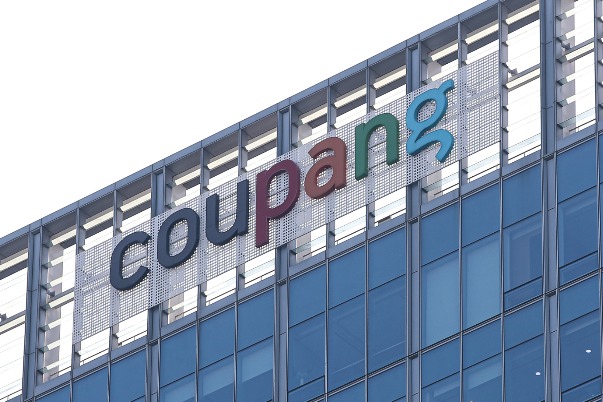
Coupang Inc., the largest e-commerce platform in South Korea, has recovered from the setback following last year's data leak, with user numbers and transactions rebounding.
www.kedglobal.comCoupang, South Korea's largest e-commerce platform, has recovered from last year's data leak, with user numbers and payment volume reaching six-month highs above pre-leak levels. Meanwhile, local rivals that briefly attracted defecting users have failed to sustain their momentum, according to reports.
The pattern — where fundamentals like assortment and delivery speed ultimately win customers back even after a major incident — is a useful reference point when thinking about AI commerce adoption, where trust concerns dominate the discourse.
EU's €3 Parcel Fee Puts Thailand Between Export Opportunity and Import Risk (Update)
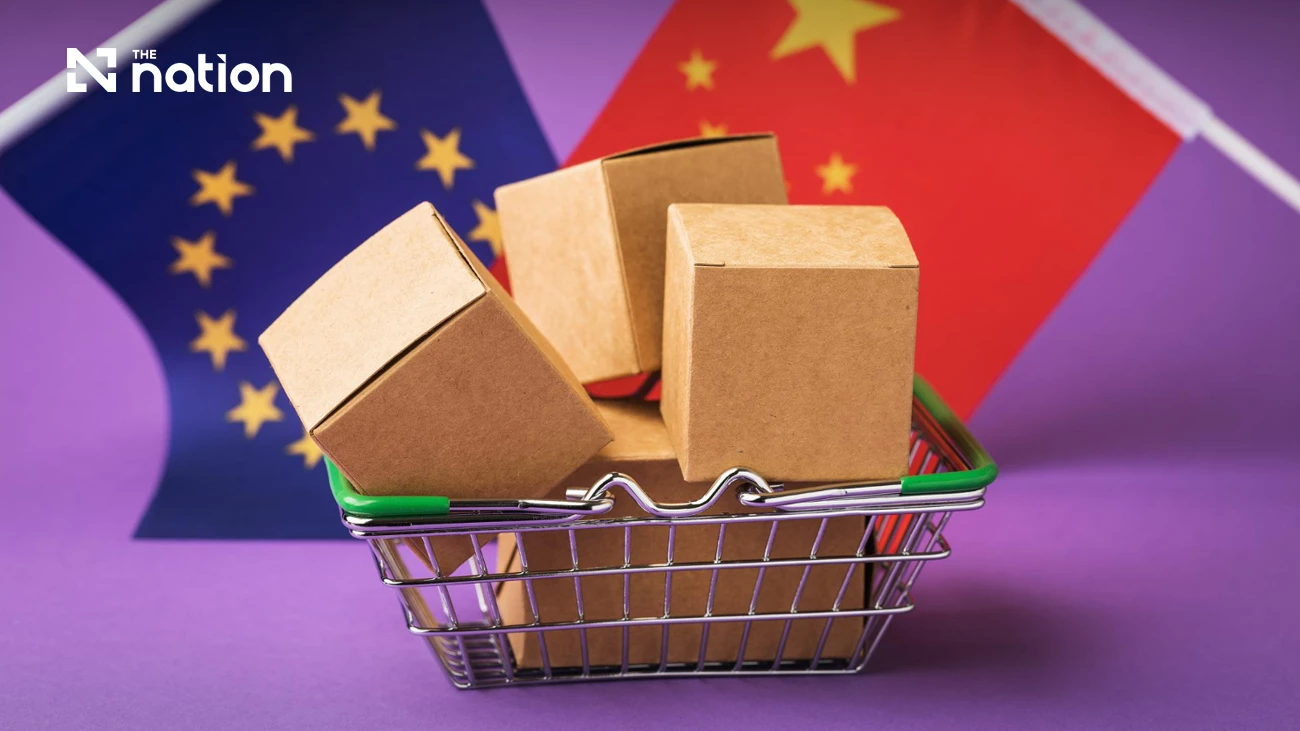
The EU's new €3 customs duty on low-value e-commerce parcels may hit Chinese platforms such as SHEIN, Temu and AliExpress, but Thai exporters face both opportunity and risk.
www.nationthailand.comFollowing the EU's €3 fee on low-value parcels that took effect July 1, Thai media are analyzing the impact from both an export opportunity and an import risk perspective. If Chinese platforms' shipments to the EU slow, Thai products could gain relative opportunity — but there are also concerns that cheap Chinese goods diverted from the EU could flood the Thai market.
The report illustrates how regulatory impact ripples beyond the countries directly involved, reshaping e-commerce market structures in third countries.
Logistics & Fulfillment
Meituan Instashops Quietly Reshapes Same-Day Delivery in China's Local Commerce

Meituan Instashops is a software and logistics bundle that lets small merchants in China offer near-instant local delivery with their own mini e-commerce storefronts.
www.ad-hoc-news.deChina's Meituan is expanding same-day delivery through Instashops, a software-and-logistics bundle for small merchants. Individual stores get mini e-commerce storefronts and near-instant local delivery through Meituan's network.
The model of a platform with inventory and delivery networks organizing small merchants is worth watching as a preview of fulfillment competition in an era when AI agents pick whichever option delivers fastest.
Closing Thoughts
Today confirmed that the contest over the payment and authentication layer for agent-executed transactions has become a fixture of the discourse, as both India's infrastructure debate and the Visa moat analysis show. Hostinger's site-free ecommerce likewise signals the storefront-centric sales structure unbundling into link- and channel-based selling.
From Korea, Naver Plus Store's customer satisfaction win and Coupang's recovery show that both investment in AI ecosystems and fundamentals like assortment and delivery are beginning to register in external evaluations and user numbers. Heading into the week, we are watching both standardization moves in payment and authentication infrastructure and agent investments by major e-commerce players.