Macy's Rolls Out Google Gemini-Powered AI Shopping Assistant, Users Spend Nearly 5x More
Macy's launches 'Ask Macy's,' a conversational AI assistant built on Google Gemini, across all digital channels. During testing, users spent approximately 4.75x more than non-users, demonstrating concrete AI commerce ROI. Gap, Wayfair, and other major retailers are also accelerating Gemini adoption.

Key Takeaways
- Macy's launches Google Gemini-based conversational AI assistant "Ask Macy's" across all digital channels
- During testing, AI users spent approximately 4.75x more than non-users, proving concrete ROI
- Gap, Wayfair, and Walmart accelerate Gemini adoption as agentic commerce goes mainstream
Macy's Officially Launches Conversational AI Shopping Assistant

Macy's Inc. is joining the list of retailers leveraging the Google Gemini next-gen AI engine to aid customers.
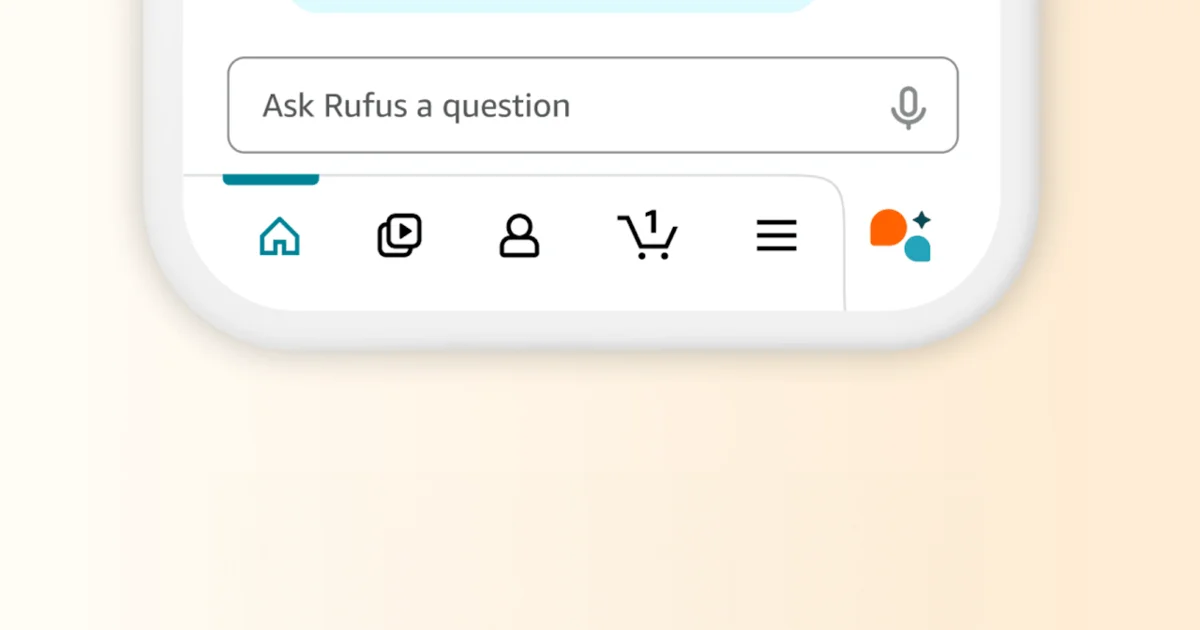
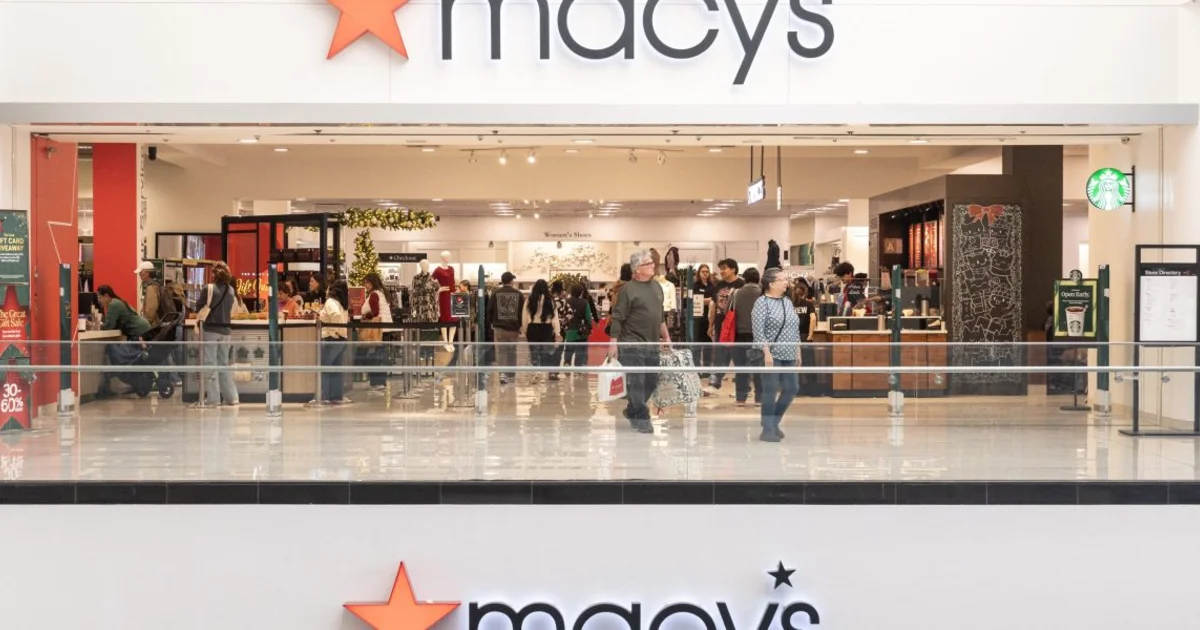
chainstoreage.comUS department store giant Macy's officially launched "Ask Macy's," a conversational AI shopping assistant powered by Google Gemini, across all digital channels in March 2026. Chief Customer and Digital Officer Max Magni revealed the details during a session at Shoptalk 2026.
Ask Macy's began as a pilot in December 2025 and went fully live across both the e-commerce site and app in March 2026. Customers can search for products and receive styling suggestions using natural language, as if conversing with a human sales associate.
Background and Industry Trends
Macy's AI assistant deployment comes amid a broader "agentic commerce" wave sweeping the retail industry. At the January 2026 NRF (National Retail Federation) annual conference, Google announced Gemini Enterprise for CX, an agentic AI platform that unifies product discovery through customer service.
Simultaneously, Google introduced the Universal Commerce Protocol (UCP), an open standard co-developed with Shopify, Etsy, Wayfair, Target, and Walmart. UCP aims to enable the entire shopping journey, from product discovery to purchase and post-purchase support, to be completed through AI. Macy's Ask Macy's represents a concrete step toward this era of AI-mediated shopping.
Ask Macy's Features and Remarkable Results
Core Capabilities
Ask Macy's is not a simple search tool. Magni described it as "not about search" but "about curated discovery." When a customer types "I need a dress for a spring wedding in Miami under $150," the AI suggests products and even provides "complete the look" coordination including accessories and shoes.
The most-used features are outfit coordination (Complete the Look) and virtual try-on. The virtual try-on feature generates images showing how items would look on the customer. Macy's had previously deployed Zero10 AR try-on technology at its New York flagship Disney Princess Shop in 2024, and the digital try-on is an extension of that initiative.
The 4.75x Spending Impact
According to Bloomberg, customers who used Ask Macy's during the testing period spent approximately 4.75 times more than non-users. This data was derived from A/B testing conducted with roughly half of all website visitors.
Magni noted that AI users tend to visit with specific purposes, such as finding outfits for events. However, the cross-sell effect from outfit coordination suggestions is also considered a significant contributor to the spending increase.
Development Insights
Thousands of employees participated in development. An early version failed to account for regional climate differences, recommending the same items to customers in Florida and New York. This feedback was incorporated to improve personalization accuracy.
Major Retailers Adopting Gemini
Macy's is far from alone in adopting Google Gemini. The number of major retailers leveraging the platform is growing rapidly.
Gap announced direct checkout on Gemini in March 2026, adopting UCP across all brands including Old Navy, Banana Republic, and Athleta. This makes Gap the first major fashion company to enable purchases without leaving Google Gemini.
Wayfair, as a UCP co-development partner, has enabled direct purchases within Google AI Mode. Walmart has also partnered with Google to combine Gemini's intelligence with Walmart's assortment for a new shopping experience. DoorDash has also begun piloting AI-enabled ordering within the Gemini app.
Impact on E-Commerce Businesses
Ask Macy's results demonstrate that AI assistants are beginning to function as digital "sales associates" for e-commerce. Here are three key points for e-commerce businesses to consider.
Structuring product data is urgent. For AI assistants to make appropriate suggestions, product attributes (category, material, use case, occasion) must be well-organized. Handling natural language queries like "for a spring wedding" requires a different data architecture than traditional keyword-based SEO.
Consider UCP compliance. Google's Universal Commerce Protocol is an open standard for standardizing AI agent-mediated purchases. Major platforms including Shopify are moving toward compatibility, making this a trend that even small and mid-size e-commerce businesses cannot ignore.
Redesign cross-sell strategy. Just as Macy's "complete the look" feature drove higher spending, AI-powered contextually aware product suggestions have the potential to outperform traditional recommendation engines significantly.
Summary
Macy's Ask Macy's is a landmark case demonstrating that agentic commerce has evolved from "concept" to "proven revenue driver." The 4.75x spending increase proves that AI assistants have the power to transform both customer experience and revenue.
Going forward, the key areas to watch are UCP adoption velocity and the standardization of AI checkout. Google has declared that "in 2026, agentic commerce is no longer just a concept, it's reality." E-commerce businesses should evaluate early whether their infrastructure can accommodate this new purchasing channel.