Meet Boston and Mindtrip Put AI Trip Planning on WhatsApp: A DMO Turns Messaging into an AI Commerce Discovery Channel
Boston's tourism board is the first destination to launch Mindtrip's WhatsApp integration. We read it as an AI commerce case study in messaging-channel discovery, aggregator-led distribution, and machine-readable local data.

Key Takeaways
- Meet Boston, Boston's official tourism board, has partnered with AI travel platform Mindtrip to deliver conversational trip planning on its website and on WhatsApp. It is the first destination partner to launch Mindtrip's WhatsApp integration, timed to FIFA World Cup 2026
- The case shows product discovery moving out of the search box and dedicated apps into the messaging conversations people already live in. It also spotlights a distribution structure where a DMO, a collective marketing organization, puts an entire region's businesses into an AI's recommendation set at once
- For smaller operators that cannot connect to AI platforms on their own, riding in through an aggregator is becoming a realistic path. Structuring information so AI can understand it, and designing presence where conversations happen, are preparations that translate directly to retail and e-commerce
Travel discovery moves into a WhatsApp thread
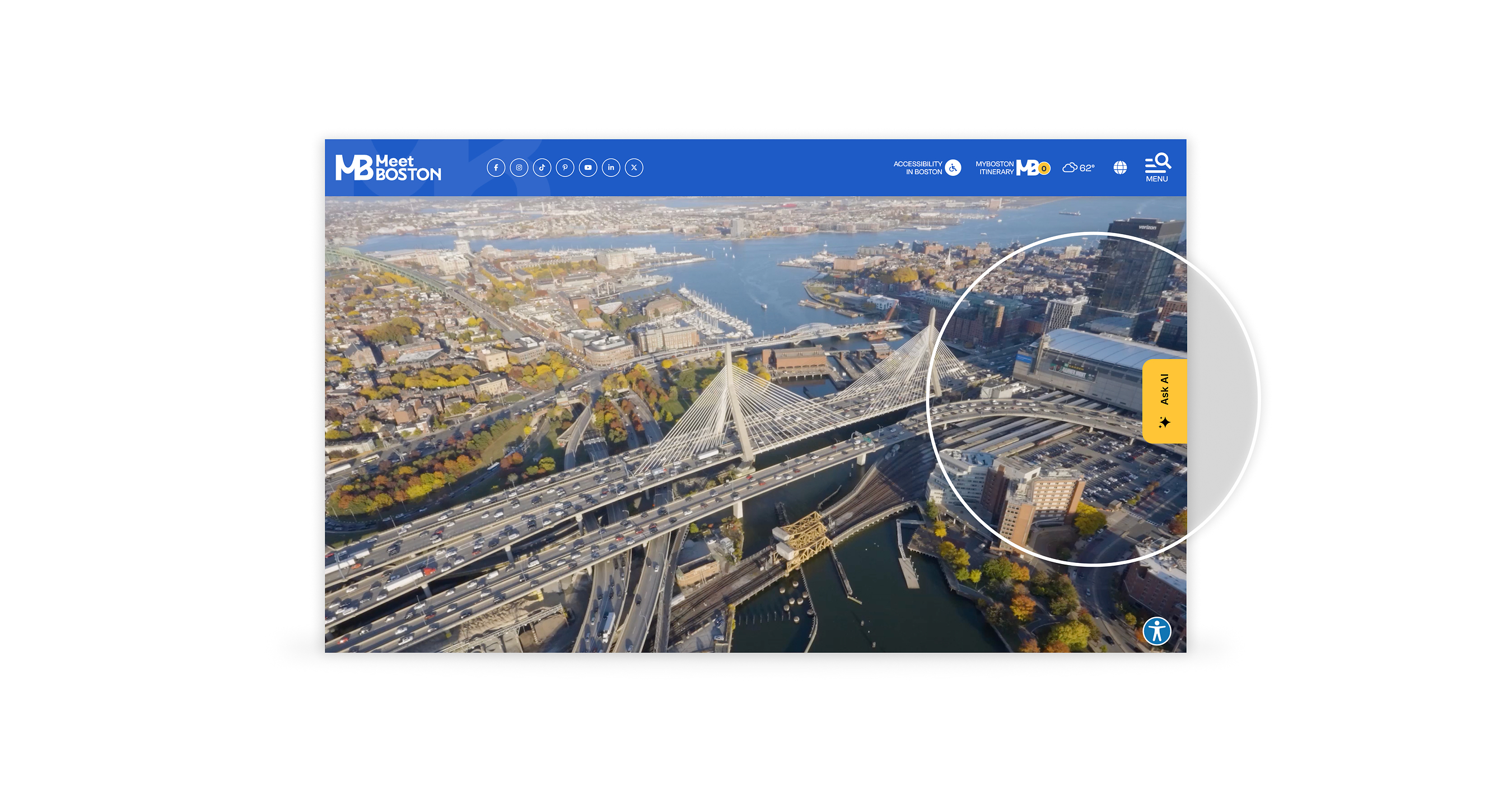
Meet Boston becomes the first destination to launch Mindtrip's WhatsApp integration, extending personalized trip planning across web and messaging.
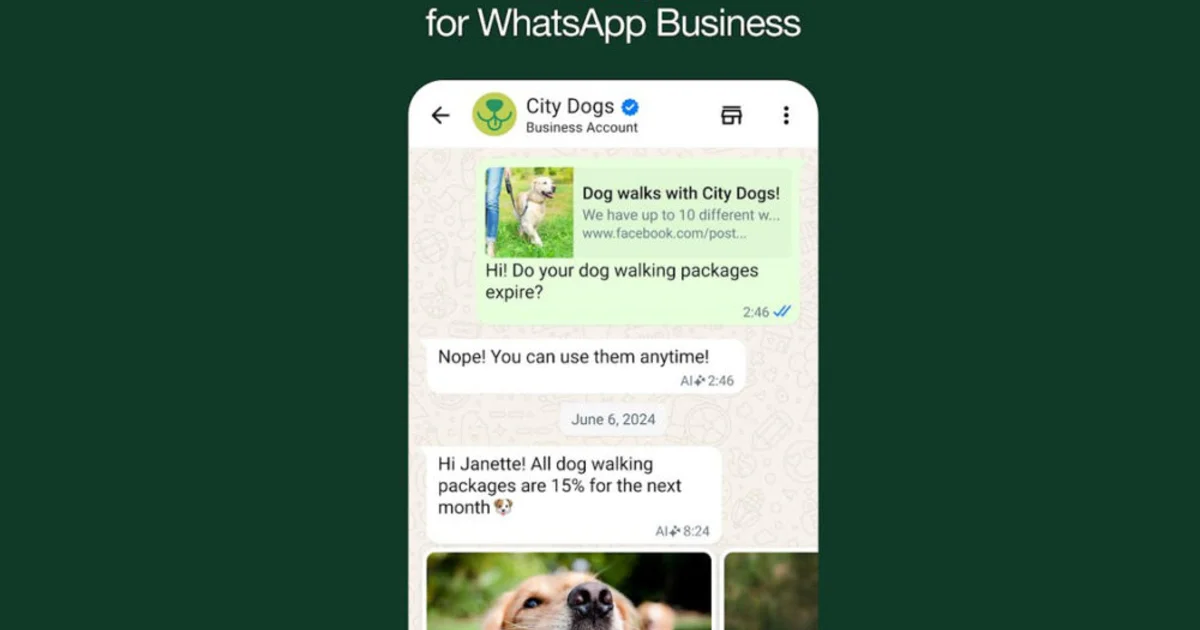
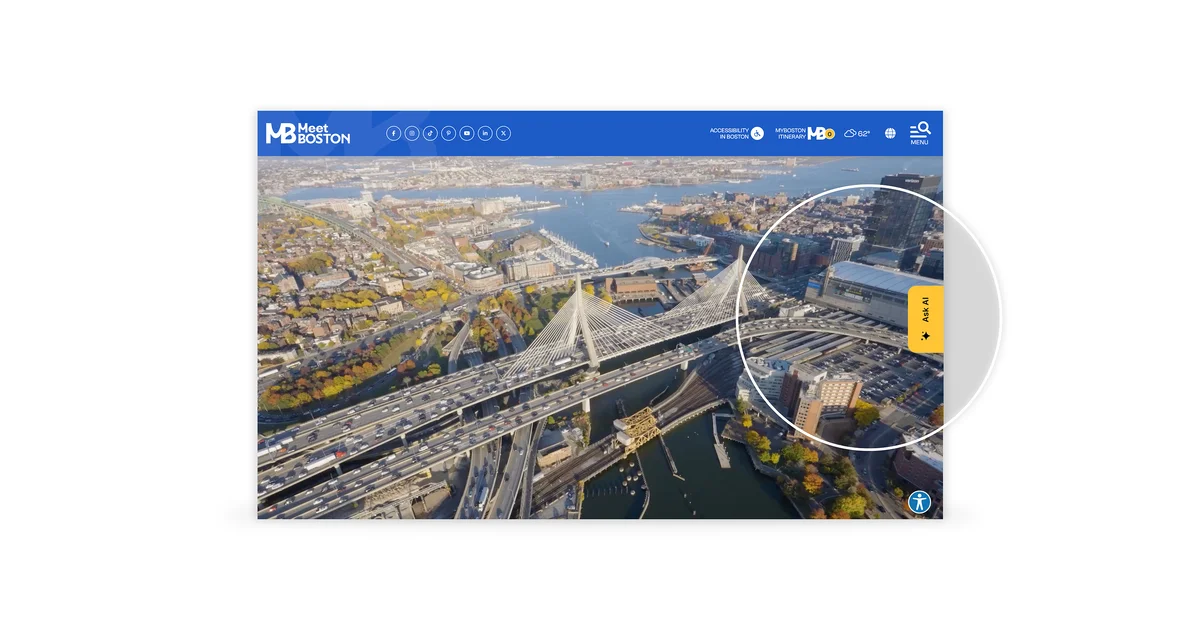
www.prnewswire.comOn June 30, 2026, Meet Boston, the city's official tourism board, announced a partnership with AI travel platform Mindtrip. Beyond embedding a conversational AI trip planner on MeetBoston.com, Meet Boston became the first destination partner to launch Mindtrip's WhatsApp integration. Travelers can ask questions about the destination and assemble itineraries aligned to their interests inside one of the world's most widely used messaging apps. The itineraries come back complete with curated imagery, distance estimates, and sequenced recommendations.
AI commerce refers to a mode of selling in which generative AI and conversational agents handle everything from product discovery through purchase. What this announcement covers is the front half: discovery and planning. No booking or payment capability is included. The case still matters because it shows a seller deliberately choosing where discovery happens. Not a search engine, not a proprietary app, but the chat screen users open every day. This article unpacks the reasoning and the structure behind that choice as a working example of AI commerce.
A demand peak, unsold hotel rooms, and the design of discovery
The launch is aimed squarely at FIFA World Cup 2026, the largest visitor peak a host city can expect. Yet the on-the-ground picture is far from uniformly bullish. On June 9, 2026, CBS Boston reported that roughly 80% of Boston hotels were seeing bookings run below normal seasonal averages, with inflated room rates and airfares deterring the summer tourists who would otherwise have come. Analysis from Travel And Tour World likewise finds demand concentrating around match dates, with sharp swings across the tournament window.
In other words, this is not a season where inventory sells itself. How do you surface candidate experiences to first-time visitors who speak different languages, and how do you generate circulation across the city? That design of discovery is the operational problem facing the host side. A guide that responds in natural conversation at any hour, proposing options matched to each visitor's interests, is a direct answer to it.
The conversation also yields a byproduct. What visitors ask, and which suggestions they respond to, becomes first-party data for the tourism board, meaning customer data it collects and owns itself. The decision-making process that was invisible in search-engine referrals becomes observable.
Mindtrip's B2B platform, with tourism boards as the customer
Mindtrip is an AI travel platform founded in 2023 in Silicon Valley, led by co-founder and CEO Andy Moss. What separates it from a generic chatbot is the foundation under its answers. The company references a proprietary database merging more than 11 million points of interest with insights from over 40,000 local travel guides, returning itineraries grounded in real venues and realistic travel times. The pitch is not fluent prose but executable plans.
The business fundamentals are firming up as well. On December 8, 2025, the company announced investments from Amex Ventures, Capital One Ventures, and United Airlines Ventures, bringing total funding to 22.5 million dollars. The same announcement noted that its destination partnerships had grown past 35 and its audience more than tenfold in a year. Customers span every tier of destination marketing, from Brand USA at the national level to Visit California at the state level and city organizations like Visit Orlando and San Francisco Travel.
Personalization has always been at the heart of what we're building at Mindtrip. Working with Meet Boston, we're applying AI to turn travel inspiration into tailored recommendations, empowering visitors to experience the destination in ways that align with their unique interests.
In the earlier Visit California deployment, the platform turns the state's more than 74 curated road trips into personalized driving itineraries, with translation across nine languages. Existing editorial content becomes an asset AI can recompose. Note the role the tourism board plays here. Meet Boston is an organization that aggregates more than 1,000 regional businesses. Rather than contracting with hotels and restaurants one by one, Mindtrip makes this aggregator its customer and places an entire region's product information into the AI's recommendation set at once. In retail terms, it is selling a conversational storefront not to individual shops but to the mall or the merchants' association.
Why WhatsApp instead of a proprietary app
The channel choice carries its own design logic. Entering through WhatsApp demands no app download and no account creation. Travelers start the conversation on the same screen where they message friends and family, and keep the same thread running from pre-trip planning through the stay itself. Rather than trying to pull users into a travel app they might open a few times a year, the service walks out to a channel already woven into daily life.
The ground is shifting under this choice too. On June 3, 2026, Meta announced global availability of its Meta Business Agent, noting more than one billion active threads between businesses and customers run daily across WhatsApp, Messenger, and Instagram. Messaging apps are changing character, from a place to push notifications into a storefront where product guidance and service are completed. Mindtrip's integration rides travel discovery on that current.
Framed as channel strategy, MeetBoston.com is an owned channel, while the WhatsApp integration is an owned touchpoint built on an external platform. Unlike passively waiting to be surfaced by ChatGPT or Google's AI search, the DMO operates the touchpoint itself and the conversation data accumulates on its side. In the open garden versus walled garden framework, this is a middle path: borrowing an external platform's reach while keeping control of the interaction. That said, dependence on WhatsApp's terms and pricing remains, so it is worth seeing clearly that one dependency, the search engine, has partly been swapped for another, the messaging platform.
The distance between discovery and the transaction
To repeat the boundary: this announcement includes no booking or payment capability. The conversation carries users through candidate suggestions and itinerary building, and purchases of rooms or experiences are handed off to each operator's booking flow. The split between discovery and checkout is a structure common across AI commerce today.
What makes this interesting is that the same Mindtrip has begun closing that distance in a separate product. In May 2026, through a partnership with Sabre and PayPal, it launched Mindtrip Flights, which completes flight search, comparison, booking, and payment inside a single chat. Within one company, a DMO-driven discovery channel and an in-chat checkout capability are growing side by side. No payment integration has been announced for the tourism-board channel, so the two should be treated as separate capabilities today. Still, a path where the intent formed in a WhatsApp conversation, "here is how I want to spend my time in this city," is eventually handed off to a transaction on the same platform is already technically within sight.
Implications for retail and e-commerce operators
Three points travel well beyond tourism.
First, the channel choice of placing discovery where conversations already happen. The difficulty of making a proprietary app habitual is the same in retail as in travel. Putting conversational service onto messaging surfaces like WhatsApp or LINE is a practical way past the download barrier and into customers' daily flow. The dividing line from plain platform dependence is whether the contract leaves the operation of the touchpoint, and the conversation data, on your side.
Second, structuring information so AI can understand it. Mindtrip can only recommend venues whose attributes, location, hours, and the substance of the experience, are organized. This is precisely the product data readiness problem: getting names, attributes, inventory, and prices into machine-readable shape. After organizing information for search engines to read comes organizing it for conversational AI to correctly understand.
Third, how to ride in through an aggregator. For businesses without the capacity to connect to AI platforms alone, which foundation their aggregator picks determines their exposure, just as the regional DMO's adoption of Mindtrip did here. Malls, shopping districts, and brand collectives play that role in retail. If you are on the aggregated side, engage with your organization's choice. If you are the aggregator, the prerequisite for choosing a platform is whether you can consolidate your members' data in machine-readable form.
Conclusion
The Meet Boston and Mindtrip partnership is a case study in designing the discovery channel of AI commerce, moving travel discovery into the daily flow of WhatsApp. A platform holding verified local data makes the tourism board, an aggregator, its customer, and lifts a whole region's businesses into the AI's recommendation set at once. That structure previews a pattern set to spread in retail and e-commerce, where smaller merchants reach AI channels through malls and collective organizations.
Automating the transaction through payment sits outside this announcement, but with the same Mindtrip already running in-chat checkout in a separate product, it is natural to expect the distance between discovery and transaction to shrink in stages. The preparation for operators is clear: structure your information so AI can understand it, design your presence where conversations happen, and pay attention to which platform your aggregator chooses. The shift of discovery's entry point to the chat screen starts with travel, but it will not end there.