AI Commerce News Digest (June 4, 2026)
On June 3-4, 2026, Asia moved to the center of agentic commerce: Alibaba opened Qwen to brands and Amazon merged Rufus with Alexa+. A daily digest of agentic and AI commerce news for e-commerce operators.


Key Takeaways
- June 3-4 was the stretch when Asian platforms made their move for agentic commerce leadership. Alibaba opened Qwen to outside brands, building an AI commerce network with KFC and Luckin Coffee on board, while Amazon merged its Rufus site assistant with Alexa+ to launch "Alexa for Shopping."
- The real promise and the real limits of letting AI shop for you came into focus at the same time. A China 618 test that had Doubao and Qwen make actual purchases exposed structural gaps. Yet Worldpay found 44% of Singaporeans, and Accenture found 74% of global consumers, open to delegating to an AI agent.
- The trust layer in payments and corporate and regulatory moves also advanced. Mastercard tokenized the majority of its European digital transactions, Shopify expanded its buyback, and Shein took a second penalty in France.
Today's Top Stories
Alibaba Opens Qwen to Brands — Building an AI-Powered Commerce Network
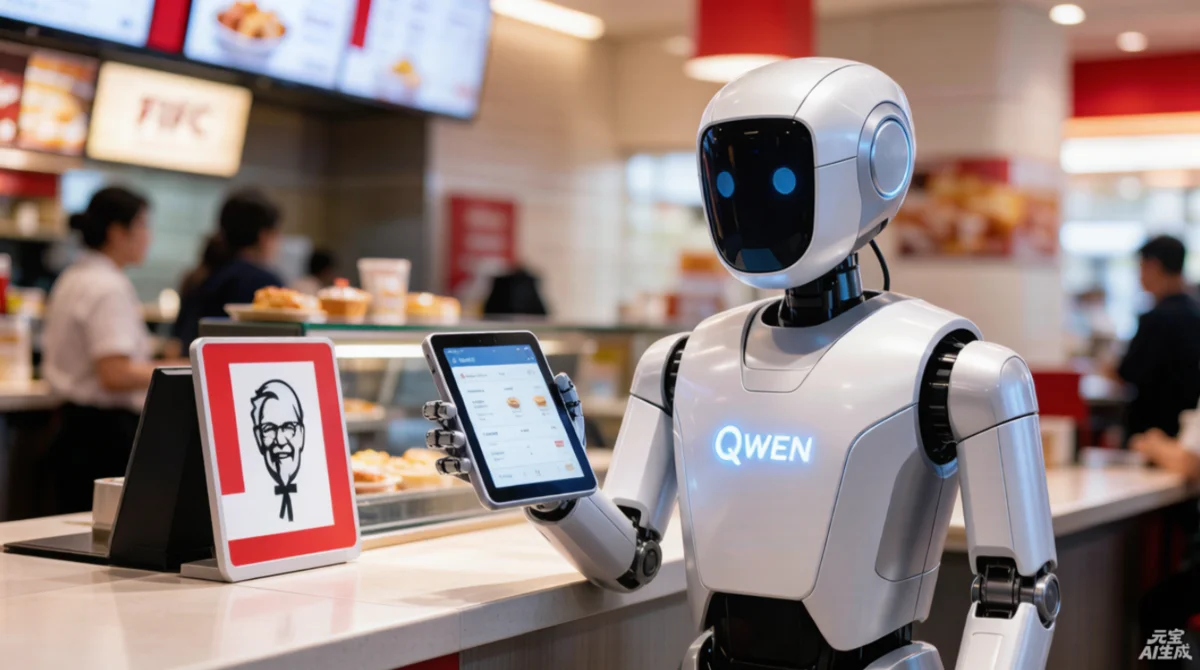
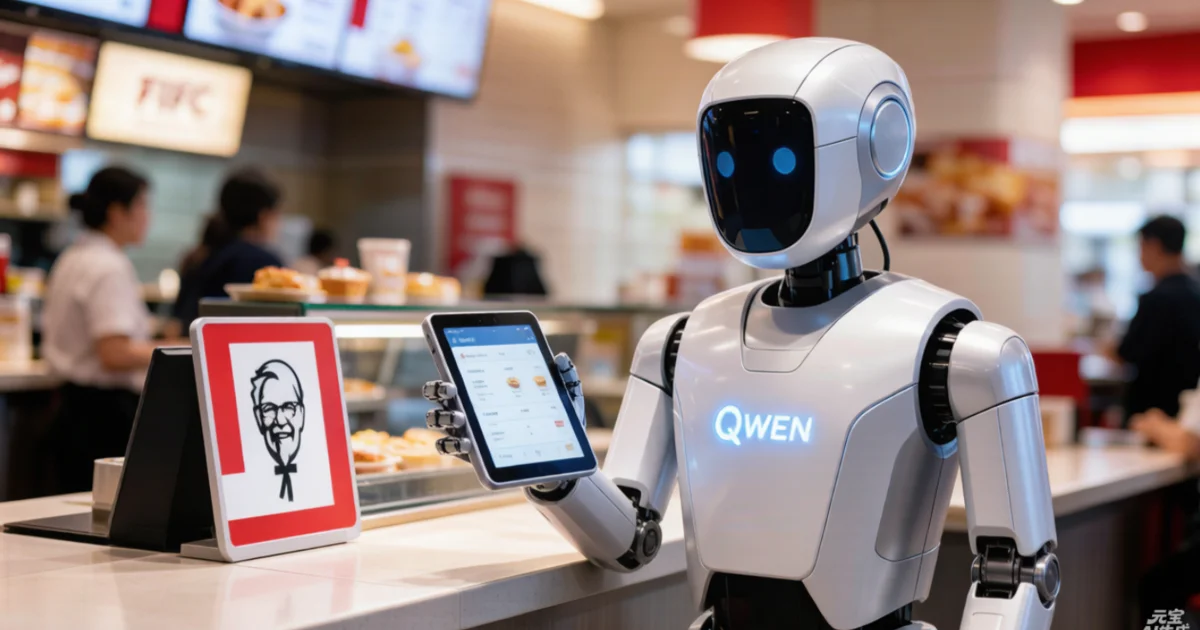
Alibaba is opening its Qwen consumer AI platform to outside businesses, letting brands launch custom AI agents for chat-based browsing, ordering and payment.
www.tradingview.comAlibaba announced that it will open its consumer AI platform Qwen to outside companies, letting brands launch their own AI agents. Within a natural-language conversation, users can browse products and services, place orders, and complete payment entirely inside the Qwen app, without switching to a separate app or website.
Well-known brands joined the initial rollout, including KFC (operated by Yum China), Luckin Coffee, and Mixue. The AI agents remember a user's habits and schedule and return context-aware suggestions, such as an airline agent that proposes itineraries based on travel history.
Alibaba is weaving Qwen tightly into Taobao and Tmall, unifying shopping, payments, and customer interaction into a single AI system. The aim is to keep users inside its own ecosystem and expand revenue opportunities for merchants.
Full article: Alibaba Opens Qwen to Brands, Building an AI Commerce Network with KFC and Luckin
Amazon Merges Rufus and Alexa+ to Launch "Alexa for Shopping"
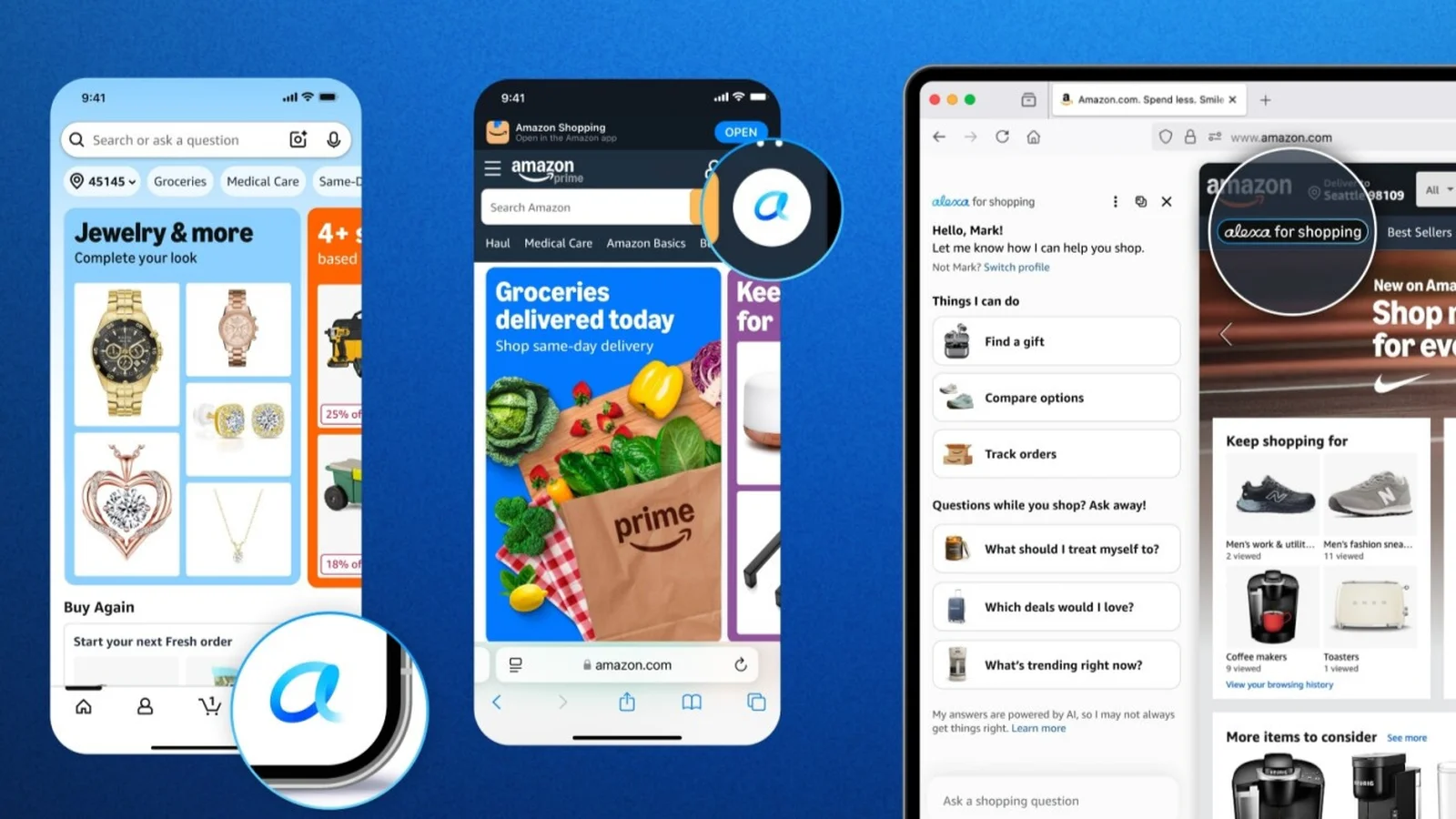
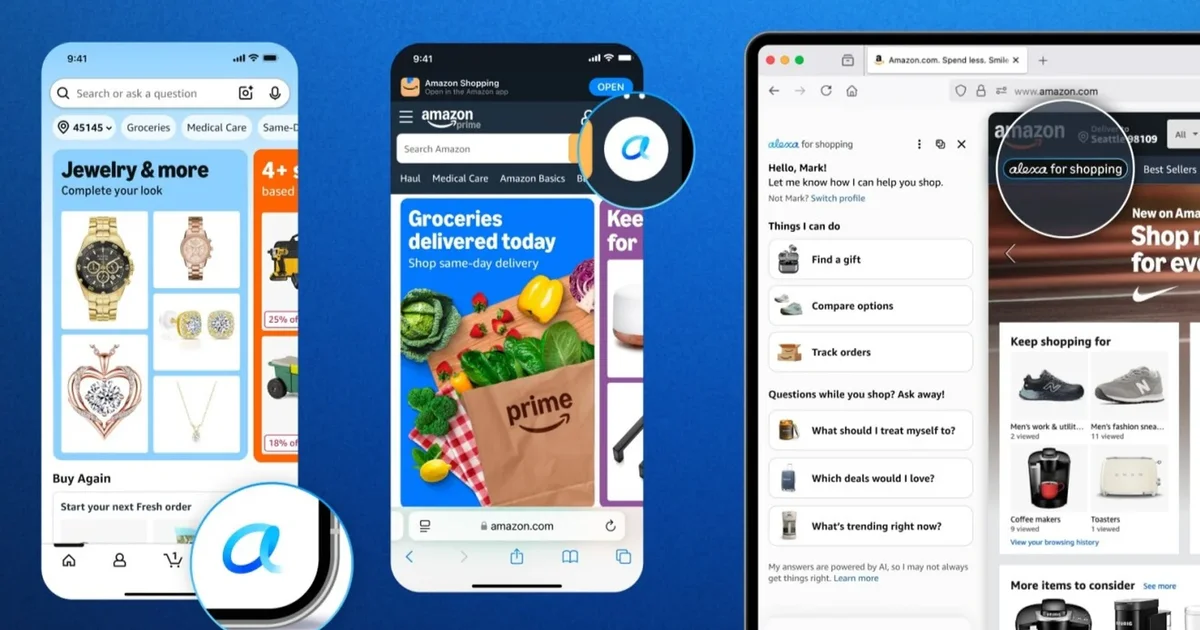
Amazon has combined its Rufus online site assistant and its Alexa+ service to create 'Alexa for Shopping,' for its app and website.
www.retailcustomerexperience.comAmazon merged its on-site shopping assistant Rufus with its revamped personal assistant Alexa+, rolling the combination out as "Alexa for Shopping" across its app and website. Advice, product comparison, and ordering are now consolidated into a single assistant anchored at the search bar.
Until now, Rufus handled questions on product pages while Alexa handled voice. By bundling the two, Amazon is aiming for an experience where AI accompanies the shopper through every stage of finding, choosing, and buying. Amazon says Rufus usage has expanded sharply, with engagement up significantly.
For brands and sellers, getting product data in order so AI can find and recommend it correctly grows more important. Describing use cases and specs in machine-readable form and maintaining review ratings will shape visibility inside the Amazon ecosystem.
Full article: Amazon Merges Rufus and Alexa+, Bringing Agentic AI "Alexa for Shopping" to the Search Bar
Agentic Commerce
The Limits of AI Exposed in China's 618 Sale — Testing Doubao and Qwen

Spending 8,000 yuan to promote a 7-yuan toy: A real record of AI shopping in the current era.
eu.36kr.comAgainst the backdrop of China's big "618" sale, a test that had ByteDance's Doubao and Alibaba's Qwen make real purchases drew attention. The conclusion: the current generation of AI cannot yet master buying and selling.
A telling example was the inefficiency of spending roughly 8,000 yuan in ad budget to sell a toy worth about 7 yuan. Gaps remained in price negotiation, reading inventory, and purchase-decision accuracy, surfacing the reality that handing everything to AI without human involvement is premature.
It is a case that shows the gap between heavy investment and practical readiness. Even if delegating purchases to AI agents is an irreversible trend, it offers a sober basis for deciding how much to automate and where humans should stay in control.
Full article: Doubao and Qwen's 618 Shopping Test: AI Still Can't Master "Selling"
Cotopaxi Prepares Its Data for Agentic AI Discovery
Cotopaxi is using what it learned from integrations with online marketplaces to prepare its product data for agentic AI search and discovery.
www.digitalcommerce360.comOutdoor brand Cotopaxi is preparing its product data for discovery via AI agents, repurposing what it learned from online-marketplace integrations for agentic AI search and discovery.
For AI to understand and recommend products accurately, attributes and use cases must be structured and described consistently. The point worth noting is that the data-preparation know-how brands built for marketplaces carries directly into securing visibility in the AI era.
It is a concrete example of how brands can operationalize "getting ready to be read by AI," useful for operators of any size.
Razorpay Showcases Its Agentic AI Commerce Vision at Mumbai Tech Week

Razorpay used Mumbai Tech Week to showcase its Agent Studio product to the local builder community via a live demo.
www.tipranks.comIndian payments leader Razorpay showcased its agentic AI commerce vision and its "Agent Studio" at Mumbai Tech Week, running a live demo for the developer community and presenting a future in which AI agents handle transactions, including payment.
The race to implement agentic commerce is spreading to India after the US, Europe, and East Asia. The pattern of payment-infrastructure players moving early to lock down developer platforms for AI agents is common across regions, and Razorpay's move is one example.
Consumer Trends
Worldpay Survey: 44% of Singaporeans Would Let AI Shop for Them

Agentic commerce in Singapore: 44% would let an AI agent shop now or within a year, Worldpay finds. Price leads, trust lags.
fintechnews.sgA Worldpay survey found that 44% of Singaporean consumers would let an AI agent shop for them now or within a year. Price and convenience drive adoption, while establishing trust remains the biggest barrier.
Even when adoption intent is high, lingering worries persist over who authorized the AI to pay and whether a transaction matches the buyer's intent. It aligns with why card networks are racing to build a "trust and identity" layer.
Accenture Survey: 74% of Consumers Open to Delegating Purchases to AI Agents

Accenture's global survey of 25,000+ consumers across 16 countries finds rising openness to agent-driven commerce.
letsdatascience.comIn an Accenture survey of more than 25,000 consumers across 16 countries, 74% said they were open to an AI agent completing commerce tasks as long as they stayed in control. About a third would let an agent make the final purchase decision within defined boundaries.
Roughly 71% expect AI to influence at least half of their spend in a given category over the next year. Together with Worldpay's regional survey, the data shows the psychological hurdle to AI-driven purchase flows is falling, while underscoring that privacy, controls, and transparency will be the keys to adoption.
Payments & Fintech
Mastercard: Majority of European Digital Transactions Now Tokenized

Mastercard is sharply focused on improving how consumers complete online transactions across Europe.
www.crowdfundinsider.comMastercard revealed that the majority of its digital commerce transactions in Europe are now tokenized. Tokenization completes a transaction without exposing the real card number, helping with fraud prevention and approval rates.
This foundation ties directly to the safety of AI agents paying on a consumer's behalf. As a precondition for letting agents transact without handing over a card number, the spread of tokenization is itself groundwork for agentic commerce.
Corporate Moves
Shopify Raises Buyback by $3B as Activists Question Its AI Policies

The Canadian e-commerce giant's stock price is down nearly 27 percent since the beginning of the year.
betakit.comShopify raised its buyback authorization by $3 billion to a total of $5 billion. With the stock down about 27% year to date, it signals a posture on shareholder returns. Meanwhile, some activist investors are seeking explanations of the company's AI policies.
How AI investment is allocated, and what productivity gains it delivers, is starting to shape the management decisions of a key platform underpinning e-commerce and its dialogue with shareholders. The platform's financial strength and direction are not irrelevant to the merchants who build on it.
Coupang Climbs to No. 132 on the Fortune 500 — AI-Driven Global Expansion

International expansion creates new opportunities across Coupang's global network.
www.01net.itSouth Korea-born e-commerce giant Coupang climbed to No. 132 on the Fortune 500, its fourth consecutive year on the list. It says it is scaling AI-driven global commerce and creating new opportunities for businesses, brands, and customers through international expansion.
In Korea, AI competition is intensifying among platforms including Naver and Kurly, and Coupang's growth in scale draws attention in that competitive context.
Global E-Commerce
Shein Hit with Second French Penalty — a $26 Million Fine

France's consumer watchdog has hit the Chinese e-commerce giant with its second multimillion-euro penalty in a year.
www.caixinglobal.comFrance's consumer-protection authority fined Chinese-origin retailer Shein $26 million (on the order of €20 million), citing issues with its return policies and environmental disclosures. It is the second sizable penalty in a year.
European regulators are intensifying pressure from a consumer-protection and compliance angle on platforms that grew rapidly on low prices. For operators targeting Europe via cross-border commerce, it is a reminder of how important regulatory compliance has become.
Wrap-Up
June 3-4 underscored that the main battleground of agentic commerce is widening to Asian platforms. Alibaba opened Qwen to brands to sketch an AI commerce network, while Amazon bundled Rufus and Alexa+ to bridge finding, choosing, and buying with AI at every stage.
At the same time, the China 618 test laid bare the limits of handing everything to AI, while the Worldpay and Accenture surveys placed rising adoption intent next to the trust challenge. Payment tokenization, platform financial decisions, and cross-border regulation kept the foundational layer in motion. The agenda for e-commerce operators is unchanged: prepare product data so AI can find you, and draw the line on how much to delegate to automation versus where humans stay in control.