JD.com and Tencent Team Up on AI Agents: How A2A Links WeChat's 1.4 Billion Users to E-Commerce Fulfillment
JD.com and Tencent reportedly partner on AI agents, connecting device-native assistants on Huawei, Oppo, and Honor to JD's logistics via the A2A protocol. What China's agentic commerce model means for merchants.


Key Takeaways
- JD.com and Tencent have reportedly partnered on AI agents. Through A2A (Agent-to-Agent) integration, device-native assistants on Huawei, Oppo, and Honor can reach JD's product information, logistics, and customer support directly.
- The significance lies in two companies that once unwound their equity ties now rebuilding a looser alliance around AI, joining WeChat's 1.4 billion-user entry point with JD's execution muscle.
- China runs agentic commerce off a super-app-plus-device-assistant stack where agents handle the entire purchase flow, advancing faster than the West's search-results-first approach.
JD's Logistics Meets Tencent's User Base Through AI Agents

A reported partnership integrating JD.com's e-commerce and fulfillment with Tencent's vast user ecosystem through AI agents
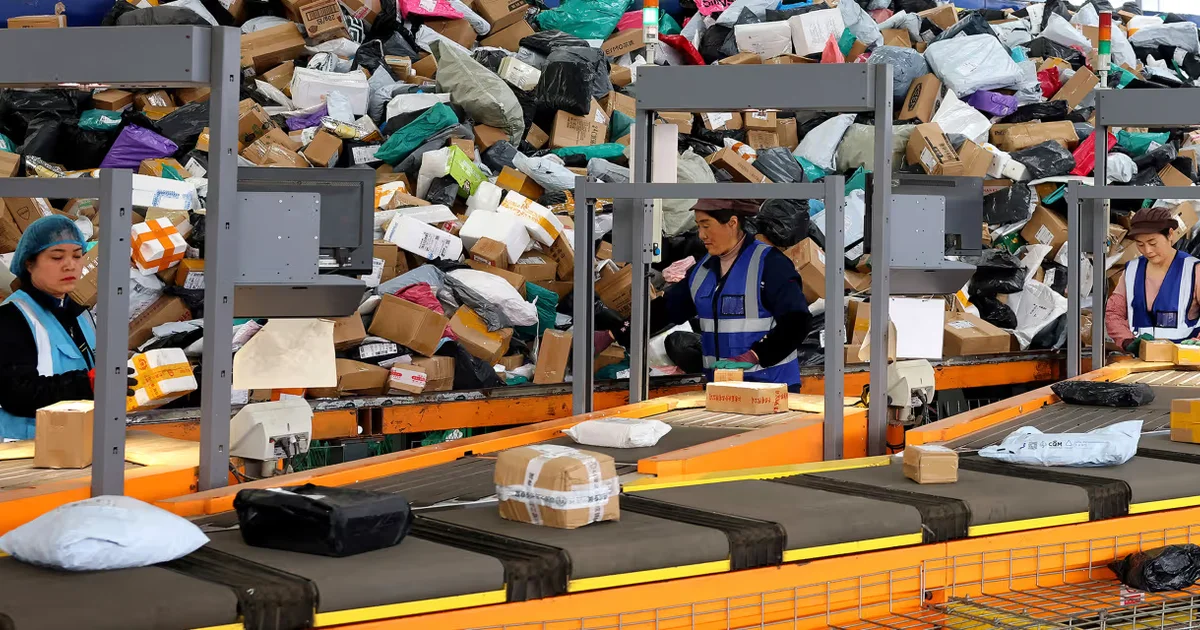
technode.comChinese e-commerce giant JD.com and internet conglomerate Tencent have joined forces on AI agents, TechNode reports. The plan connects JD.com's product supply chain and fulfillment capabilities with Tencent's enormous user base. According to the report, JD's AI agent has already been linked with devices from major smartphone makers including Huawei, Oppo, and Honor.
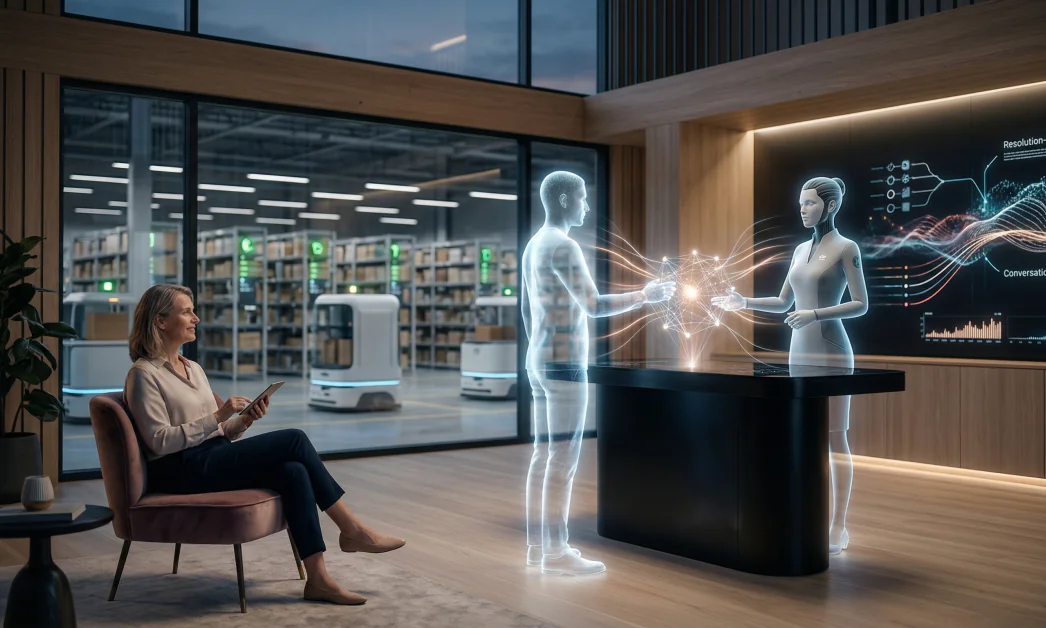
At the core sits A2A (Agent-to-Agent) integration, a mechanism that lets AI assistants across different platforms talk to one another and complete tasks on a user's behalf. A user simply speaks to the assistant built into their device, reaches JD's product catalog, and places a request. Delivery and post-purchase support are then handled directly by JD's logistics and service network.
From intent recognition to product presentation, payment, delivery, and after-sales care, the experience becomes a single continuous loop. That end-to-end design is why this partnership amounts to more than a routine technical hookup.
Why Two Companies That "Parted Ways" Are Reuniting
To make sense of the move, it helps to revisit the two companies' history. Tencent was once a major investor in China's leading e-commerce and food-delivery players. At the end of 2021, it distributed its JD.com holdings to shareholders, cutting its stake from roughly 17% to 2.3%. The following year it did the same with Meituan, trimming its holding to under 2%.
That unwinding reflected antitrust scrutiny from regulators alongside Tencent's own decision to shift its investment focus toward AI. The capital ties were loosened, yet the operational cooperation was always expected to continue in some form.
Now, in 2026, the two are reassembling a looser alliance around AI agents. The shift is from vertical integration bound by capital to horizontal collaboration connected by protocols. Tencent gains an e-commerce execution layer without building one itself, while JD secures access to a user base measured in the billions. Each supplies the piece the other lacks.
WeChat as the Entry Point and the Main Battleground
Tencent, the other protagonist here, is treating the embedding of an AI agent into its flagship WeChat as a top priority. Per TechNode's reporting, Tencent already has a working prototype and expects to begin the regulatory approval process as early as June 2026.
The agent is designed to surface when a user swipes right from the WeChat home screen. It works with WeChat's mini programs to handle tasks such as finding a cafe that matches a user's taste and ordering a drink automatically. WeChat's sprawling mini-program economy effectively becomes the agent's execution substrate.
WeChat is also said to be working with smartphone makers including Huawei, Honor, Xiaomi, Oppo, and Vivo to introduce cross-device A2A assistant capabilities, mirroring JD's device integrations exactly. A full rollout is targeted for Q3 2026, with AI-related capital expenditure expected to exceed RMB 36 billion this year. A super app serving 1.4 billion users is being redefined from a tap-and-search surface into an agentic, conversation-driven interface.
Where the China Model Diverges From the West
China's agentic commerce moves quickly for structural reasons. Super apps like Taobao and WeChat hold discovery, communication, payment, and fulfillment within one ecosystem. An AI agent can run from product comparison to payment via Alipay without handing the user off to an external service.
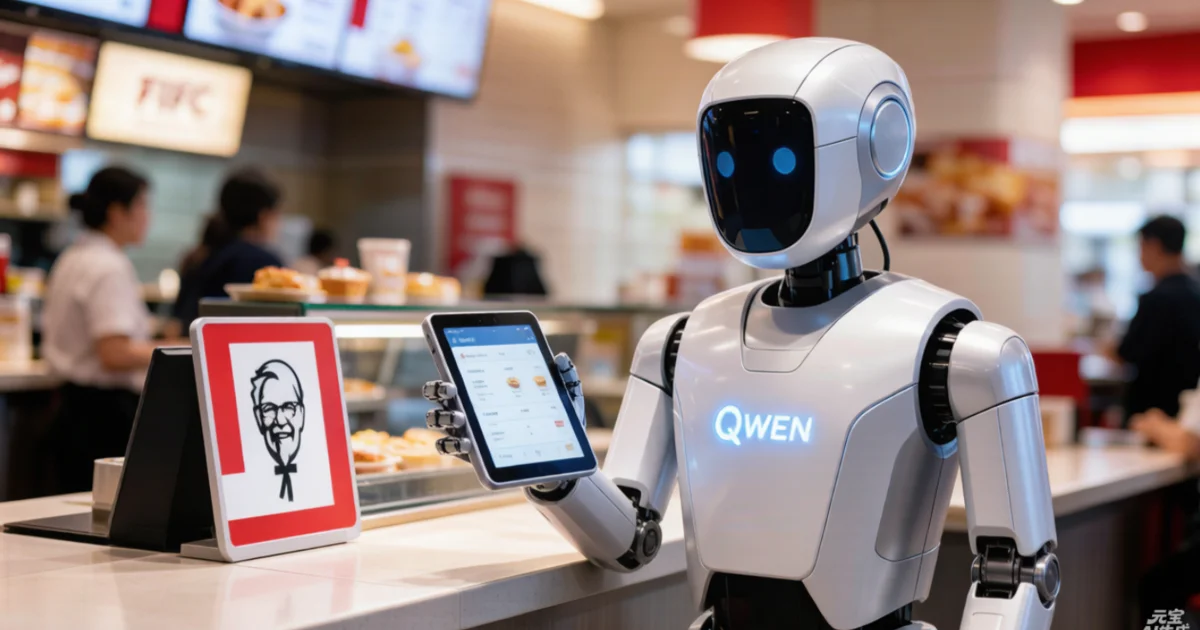
According to analysis from The Next Web, the scale is already past the proof stage. Alibaba's Qwen assistant reached 300 million monthly active users across its consumer platforms by early 2026, and Alipay reportedly processed 120 million agent-driven transactions in a single week in February. JD.com, too, launched an AI shopping assistant in 2023 and has been accumulating users since.
By contrast, Western tools such as ChatGPT and Amazon's Rufus mostly return results or suggestions, leaving payment and delivery to be handed off to separate apps, which fragments the experience. The JD-Tencent partnership pushes the "no handoff" property down even further, into the device layer itself. The assistant pre-installed the moment a phone is purchased becomes the entry point to commerce.
What It Means for Merchants and Brands
For e-commerce operators in Japan and beyond, this is not a distant China-only story. The headline is a tectonic shift in where purchases begin, moving from a browser or an app icon toward the device's native AI assistant.
That makes machine-readable product data decisive. In an A2A world, details like product name, price, inventory, and delivery terms must be expressed in a form agents can parse, not just one humans can read. However compelling a product page looks, if the agent cannot read the structured data, the item never makes the shortlist.
The second lesson concerns where execution capability lives. JD was chosen by device makers because it can carry the logistics and support that sit beyond the conversation, all the way through. In the agent economy, the ability to reliably finish the job outranks presentation as the selection criterion. Whether to own that capability or ride on a platform will be a competitive fork in the road over the next few years.
Conclusion
The JD.com-Tencent partnership signals a shift in the axis of competition, from the logic of capital to the logic of protocols. Anchored by device-native assistants and stitching conversation to logistics in one stroke, the China model is reaching the implementation stage a step ahead of the West. Much remains at the reporting stage and the details will take time to firm up, but the entry point to purchasing is quietly being rebuilt. There is value in starting to prepare to be chosen by agents now.