Revora (Formerly MyAlice) Raises $2M: Scaling Chat-Native Conversational Commerce Across MENA
Saudi-based Revora (formerly MyAlice) has raised $2M. We break down its AI agents that recommend, recover carts, and take payment inside chat like WhatsApp, with the MENA market context that merchants need.

Key Takeaways
- Saudi Arabia-based e-commerce startup Revora (formerly MyAlice) has raised a $2M seed round co-led by i2i Ventures and Oraseya Capital. Its AI agents close the sale inside chat on WhatsApp and Instagram, handling product recommendations, cart recovery, and payment in conversation
- The company is shifting from a chat support tool to an AI operating platform for e-commerce, with its long-term bet placed on converting product catalogues into structured data. It says AI-led selling lifts merchant revenue by 15-20%
- In the messaging-first MENA and GCC markets, conversational commerce evolves differently from the West. Local dialects and cash-on-delivery realities directly shape how these AI agents are designed
The Backdrop to Revora's $2M Raise
Saudi Arabia-based e-commerce AI startup Revora has raised a $2 million seed round. The company was previously known as MyAlice and rebranded alongside the announcement. The round was co-led by Pakistan's i2i Ventures and Dubai-based Oraseya Capital.
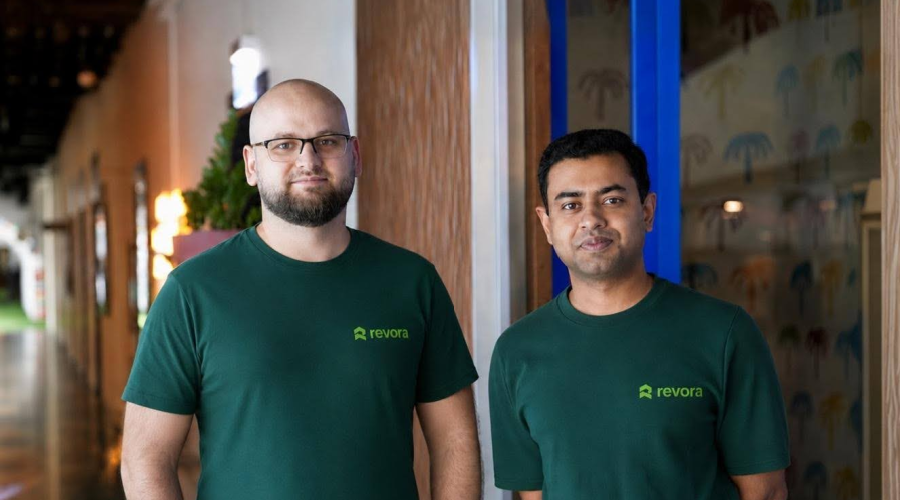
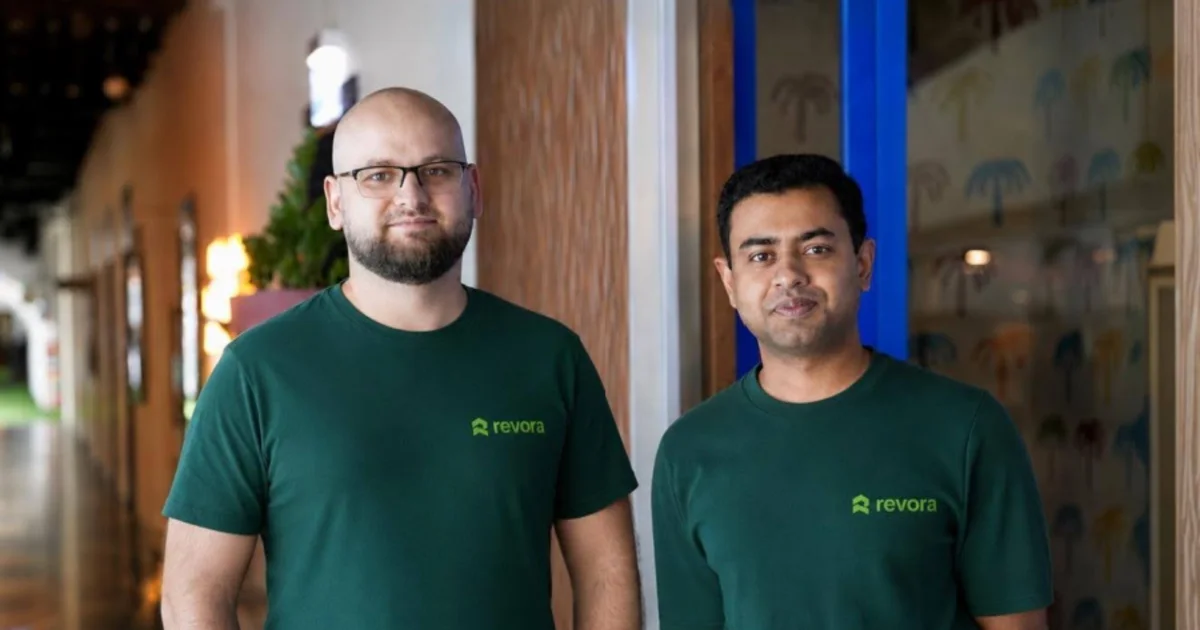
Saudi Arabia-headquartered e-commerce AI startup Revora, formerly known as MyAlice, has raised a $2 million seed round.
www.wamda.comParticipating investors include Anchorless Bangladesh, Conjunction Capital, F6 Ventures, Hi2 Global, and Orbit Startups. Strategic angels also joined, among them Salman Butt, co-founder of the major Saudi e-commerce platform Salla. The round brings Revora's total funding to $2.5 million, according to The SaaS News.
The name change is more than a branding refresh. As MyAlice, the company positioned itself as a conversational commerce tool that helped merchants handle customer interactions over messaging. The move to Revora signals a shift in the center of gravity, from a tool to an AI operating platform for e-commerce merchants.
AI Agents That Close the Sale Inside Chat
The key to understanding Revora's product is where its AI agents intervene. The agents start at the point merchants feel the most pain, namely closing the sale.
Concretely, they recommend products in conversation, recover abandoned carts, and take payment on the spot. The stage is WhatsApp, Instagram, or the brand's own site. Crucially, all of this happens in the customer's own dialect. Spoken Arabic varies sharply between countries and regions, and generic canned responses struggle to earn trust.
Co-founder Shuvo Rahman framed the company's bet this way.
AI is changing how people buy, not just how companies sell. We are building Revora on one bet: that the businesses winning the next decade are the ones an AI can understand, represent, and sell for.
Source: Shuvo Rahman, Co-founder, Revora
The results come with numbers. Brands using Revora's AI-led sales and campaigns report a 15-20% increase in revenue. The design of closing a transaction inside the conversation, an extension of chat support, is what ties this product to concrete sales.
The Real Bet: A Structured Commerce Graph
Agent-driven selling is only the entry point. Revora places its longer-term bet on converting each merchant's product catalogue into clean, structured data.
Why does structuring the catalogue matter? As commerce shifts toward AI-powered search and shopping agents, the prerequisites for products to be found, recommended, and bought change. Rather than product pages humans browse with their eyes, products need to be organized into data an AI can interpret, or they effectively cease to exist in the agent economy. This points in exactly the same direction as our recurring argument on agent-ready product data.
Revora says that every merchant who joins adds to a commerce graph that no messaging vendor, helpdesk, or model provider can replicate. In other words, it enters as a support tool while quietly accumulating the foundational data for next-generation commerce, a two-layered strategy. Co-founder Daniyal Baig described the metric he cares about most.
The signal that matters most to us is not the funding. It is that merchants using Revora are generating real revenue from it. That is the metric we are obsessed with, and the one we are building for.
Source: Daniyal Baig, Co-founder, Revora
Why Saudi Arabia and the GCC
Geography is impossible to overlook in Revora's growth story. The company is already live in more than 21 countries, but since narrowing its focus to Saudi Arabia and the GCC in late 2024, its revenue has grown 10-fold. The new funding will go primarily toward Saudi Arabia, its largest and fastest-growing market.
Behind this choice lies a purchasing culture specific to MENA. Unlike the West, conversational commerce here is becoming the main battleground for purchases rather than a side channel. WhatsApp is overwhelmingly dominant in MENA, with penetration reaching around 90% in the UAE by some measures. Voice messages and dialect-based exchanges are everyday norms, and generic bots cannot keep up.
On top of that, cash on delivery remains entrenched. Workflows that nudge buyers toward prepayment, and funnels that capture demand on social media and convert it in chat, are known as the winning playbook in this region. Revora's insistence on dialects and in-chat payment is the result of going straight after these local realities.
The market tailwind is significant. The GCC e-commerce market was already valued in the hundreds of billions in 2025 and is projected to grow at a double-digit annual rate. The conversational commerce market itself continues to expand globally, and messaging-led purchasing is no longer a peripheral tactic.
An Emerging-Market-Native Positioning
The founders' backgrounds sharpen the contours of this business. Daniyal Baig spent over 12 years in MENA in leadership roles across media and fintech, most recently as COO of Forbes Middle East. In parallel, he built and ran an inventory management product for small merchants in the region, giving him first-hand knowledge of the operational gaps in independent commerce.
Shuvo Rahman brings the product and technical depth. Revora is his second startup, following an exit from agritech venture iFarmer, where he built a data platform connecting smallholder farmers with financing and market access. Investor Anchorless Bangladesh highlighted that talent from Bangladesh and Pakistan generated real revenue from agentic AI in the Middle East.
What the two articulate is an emerging-market-native positioning. Rather than a Western player attempting regional optimization after the fact, Revora is a company designed from the region's specific realities as its starting point.
Conclusion
Revora's $2 million raise may look small by Silicon Valley standards. What the news shows, however, is not the size of the check but a structural shift: conversational commerce is evolving from a tool into a platform, and behind it a race to accumulate product data that AI can interpret has begun.
Recommendation through payment is closing inside chat, and product catalogues are being organized into data that agents can read. This flow is simply running ahead in messaging-heavy MENA, but it is a road many markets will eventually travel. Is your own product data ready to be discovered by AI? Revora's bet poses the same question to every e-commerce operator.