AI Commerce News Digest (November 02, 2026)
AI commerce news from October 30 to November 1: DoorDash says outside AI agents produced only several hundred orders, Amazon's Jassy calls them still not great, and Meta's Muse names Shopee and Lazada as partners in Singapore.


Key Takeaways
- DoorDash says outside AI agents have produced only several hundred orders
- Muse launched in Singapore with Shopee and Lazada as connector partners
- First-party agents are showing results ahead of third-party ones
This edition brings you three days of news, from October 30 through November 1. The earnings calls delivered a blunt message: outside AI agents have produced very few orders so far. DoorDash CEO Tony Xu put third-party agent orders at "several hundred" in total, and Amazon CEO Andy Jassy called the experience "still not great." Both companies, meanwhile, report higher order values for their own agents, and in Singapore, Meta's Muse named the region's biggest marketplaces as partners. Last week's debate over whether to open the store to agents now has numbers attached.
Top Stories
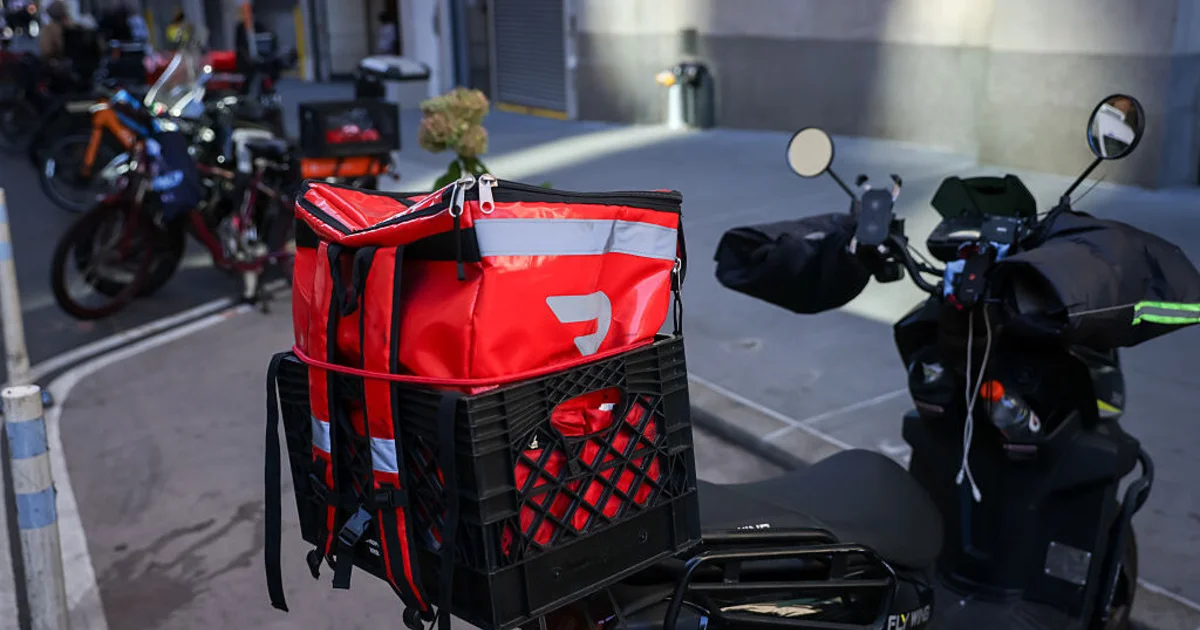
DoorDash says outside AI agents have generated several hundred orders in total, against nearly 1 billion orders in Q3
But it's still early days for the relatively new e-commerce use case.
arstechnica.comDoorDash CEO Tony Xu said on the third-quarter earnings call that third-party AI agents have generated only several hundred orders in total since they went live. The company handled just under 1 billion orders in the quarter. Asked about generic agents such as Muse, Xu said you never want to fight gravity, "but at the same time, you don't want to be delusional."
The number needs context. The MCP connector for outside agents had been available for less than a month at the time of the call, it is limited to a small group of early beta partners, and it is mainly used for corporate lunch orders. Xu himself said agents could help with long-consideration purchases and with work done proactively in the background.
The contrast with DoorDash's own agent is the part to watch. The company says Ask DoorDash grocery orders average nearly 50% higher basket value and about 60% more unique items than the same consumers' traditional orders. Xu argued that the hard part is not placing the order but making sure it arrives as expected. For retailers, the question is not only who owns the agent but who stands behind the order after checkout.
Meta's Muse launches in Singapore with Shopee and Lazada as connector partners

Meta's Muse connects Singapore shoppers with retail and travel services, putting AI-agent distribution alongside search and marketplaces.
www.contentgrip.comMeta launched its personal AI agent Muse in Singapore on October 27. Early local connector partners on the shopping side include Shopee, Lazada, GrabMart and ShopBack. Meta's examples include researching products and comparing prices before buying on Shopee or Lazada, planning grocery runs through Grab, and earning cashback through ShopBack.
Amazon has blocked Muse in the US and keeps outside agents at arm's length. Southeast Asia's largest marketplaces, by contrast, signed on from the start. Walmart and Best Buy accept Muse in the US, so the divide follows each company's position more than geography. Muse also launched in Japan on October 23.
Being named as a partner is not the same as being live, however. Meta says connector features will roll out progressively, and it has published no usage or conversion figures. For sellers on Asian marketplaces, the accuracy of product information is starting to shape how a brand appears to an agent.
Full article: Meta Muse Launches in Singapore With Shopee and Lazada Connectors, Taking the Opposite Path From Amazon
Agentic Commerce
Amazon's Jassy says outside shopping agents are "still not great"

In September, Amazon blocked Meta’s popular new AI assistant from accessing its online store.
fortune.comAmazon CEO Andy Jassy told analysts that few customers are buying through outside shopping agents because the experience is "still not great, nor more convenient than coming to a retailer directly." He did not name Muse, but Amazon blocked Muse from its store in September.
On its own agent, Jassy said more than 400 million customers have used Alexa for Shopping in the last year, interactions grew 570% year over year, and US customers using it spend 50% more per order than those who do not. He added that Alexa for Shopping is "going to be the primary shopping agent customers use to shop Amazon."
Fortune notes that Muse threatens a key Amazon profit driver because it bypasses the human visits that see its ads. Jassy's assessment should be read with that competitive position in mind.
Walmart Canada launches AI shopping assistant Sparky
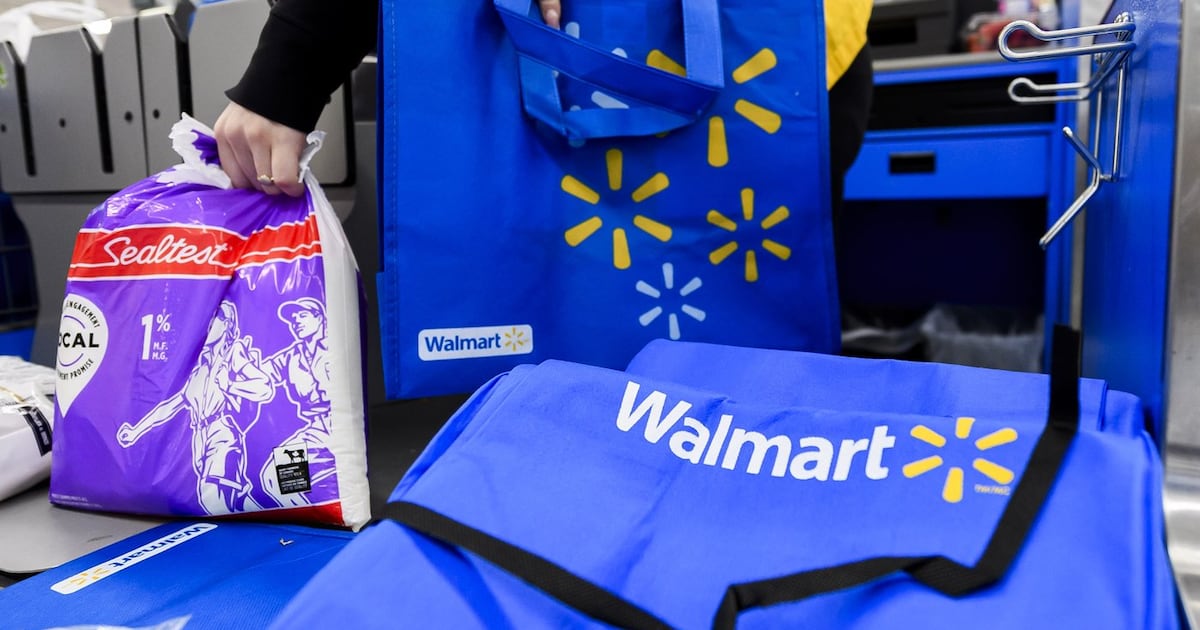
Walmart Inc. has brought its AI chatbot Sparky to Canada, more than a year after the retailer first rolled out the shopping assistant in the United States.
www.bnnbloomberg.caWalmart has brought its AI shopping assistant Sparky to Canada, more than a year after the US rollout. Andrew Go, vice-president of e-commerce at Walmart Canada, says it can find and compare products and plan shopping lists around a budget or an occasion such as a holiday meal.
Walmart CEO John Furner pledged last month that the assistant will not use personal information such as income or shopping history to set personalized prices or hide lower-priced options. Loblaw integrated its grocery delivery app into ChatGPT in February, so Canada now shows both routes side by side: a retailer's own assistant and a connection to an outside AI.
Singapore's Tanatasa opens an agent-first online store
Following the arrival of Meta Muse, OpenAI Dots and Instinct, Singapore retailer Tanatasa enables personal AI agents to search products, build shopping carts and prepare purchases, not just recommend what to buy.
voiceofasean.comSingapore online retailer Tanatasa announced on October 31 what it calls the country's first agent-first e-commerce store. Compatible AI agents can find and compare products, check prices and stock, apply discount codes and build a cart, with the customer approving before checkout.
The store supports MCP, REST APIs and CLI tools, so agents can reach the catalog and shopping functions without navigating the website, and it is also available as a ChatGPT plugin. The press release gives no usage figures, but it shows that even a small retailer can build its own front door for agents.
Glance reaches PCs for the first time through Lenovo Qira (follow-up)

Glance is bringing its AI-powered shopping platform to PCs and tablets through Lenovo Qira, expanding its reach beyond smartphones for the first time.
www.peoplematters.inGlance is integrating its agentic commerce platform into Qira, the personal AI system on Lenovo and Motorola devices. It will reach Lenovo PCs and tablets through Lenovo Qira and supported Motorola smartphones through Motorola Qira. This is the company's first move into PCs.
The platform offers product discovery, styling and shoppable recommendations, drawing on real-time inventory from more than 400 brands and 15 million products. It follows the L Catterton investment we covered last week, and the new development is the PC expansion. Embedded in a device maker's AI, the shopping entry point is moving beyond apps and browsers.
BCG finds three agentic commerce plays lifting revenue at consumer goods companies

As consumers increasingly reach out to AI for recommendations, CPG companies need to enhance their agentic commerce capabilities, or risk being unfindable.
www.bcg.comBCG names three plays for consumer packaged goods companies: generative engine optimization (GEO), owned agents and integration into the agentic commerce ecosystem. Companies piloting GEO report 1% to 5% incremental revenue, while those testing owned agents and ecosystem integration report 3% to 10% growth.
At one personal-care company, users of its own agent converted 25% more often. Yet only 41% of companies have begun building agentic capabilities, and most say they are not ready. As with DoorDash and Amazon, the early hard numbers favor owned agents.
AI Commerce Tools
Salesforce still has not priced its per-call meter for registered agents (follow-up)

Salesforce's newest rate-card row meters every call your registered agents make - and its multiplier reads TBA, with registration clocks already running from a September document.
forkast.newsSalesforce plans to meter successful MCP and API calls by registered agents as Headless Platform Interactions (HPI). Forkast reports a November target, but the multiplier on the rate card still reads TBA. The company says it will give 30 days' notice before metering begins.
The meter is described mainly in terms of outside agents, and it is not clear whether it applies to Salesforce's own agent search, such as Agentic Commerce Search, now standard in Agentforce Commerce. The 13% conversion lift it reported still has no published methodology or baseline. Merchants connecting outside agents to their own data should plan on call volume driving cost.
Related article: Salesforce Winter '27: Agentforce Runs Whole Workflows, and AI Product Search Reports a 13% Conversion Lift
B&Q puts Google AI Commerce Search on its online store

Kingfisher-owned UK home improvement retailer B&Q has gone live with Google AI Commerce Search on its online store.
retailtechinnovationhub.comKingfisher-owned UK home improvement retailer B&Q has gone live with Google AI Commerce Search. Chris Swann, Digital Optimisation Lead, says it combines Google's understanding of language, intent and product relevance with B&Q's customer behavior data.
The aim is continuous optimization and personalization with less manual intervention. Onsite search is moving toward intent across platforms, Salesforce included. B&Q has also expanded its Deliveroo partnership to more than 100 stores, updating discovery and delivery at the same time.
Payments and Fintech
Base case study puts a number on Shopify's USDC checkout infrastructure

TL;DR: The case study referenced more than $42 million of net settled payments and over 448,000 payments on the underlying Commerce Payments Protocol dashboard as of October 2.
www.tradingview.comBase published a case study on October 29 describing how Shopify and Coinbase built the Commerce Payments Protocol, which lets eligible merchants accept USDC through Shopify Payments. Customers pay in a dollar stablecoin while merchants may receive payouts in local currency.
As of October 2, the protocol showed more than $42 million in net settled payments and over 448,000 payments. Those figures cover the whole protocol, not Shopify alone. Merchant eligibility, foreign exchange terms and fees still need checking. Hiding the crypto layer from merchants is what adoption depends on.
Plaid's payments head says agents will not pay the way humans do

Plaid’s payments head explains how payment methods might shift as artificial intelligence begins choosing how to pay.
www.paymentsdive.comBrian Dammeir, head of payments and financial management at Plaid, told Payments Dive that the payment mix could shift as agents choose how to pay. Agents will follow parameters consumers set, such as maximizing discounts or card rewards, and pick the method that fits.
Checkout flows and account creation that frustrate people will not trouble bots. Dammeir sees opportunity for whoever builds the technology that lets buyer and merchant agents negotiate. For merchants, the design of incentives may become part of how an agent chooses to pay.
Global E-Commerce
EU parcel fee takes effect November 1 as document shows €6 billion revenue estimate (follow-up)

European Union charges on cheap ecommerce packages entering the bloc, which target Chinese platforms such as Shein and Temu, could raise €6 billion a year for the EU budget from 2028 to 2034, a Commission document seen by Reuters on Friday showed.
www.reuters.comThe EU began charging a €2 fee on parcels on November 1, on top of the €3 duty on packages under €150 in place since July. A Commission document seen by Reuters shows the charges could raise €6 billion a year for the EU budget from 2028 to 2034. That previously unreported estimate is the new development.
Some 5.8 billion parcels worth less than €150 entered the EU last year, up 26%. Euronews reports small parcel imports fell 60% in the three months after the €3 charge. A Commission spokesperson declined to comment on the estimate. Cross-border sellers need to reprice for Europe with the charges built in.
Lazada, Shopee and TikTok Shop roll back fees for Thai small businesses

The six-month rollback to January levels excludes electronics and covers 1.2 million registered small businesses.
www.retailnews.asiaLazada, Shopee and TikTok Shop agreed to return commission fees for small Thai merchants to January 2026 levels for six months, from December 1 through May 31, 2027. The move covers 1.2 million merchants and is projected to save 1.93 billion baht.
Thailand's Department of Internal Trade stepped in after three fee increases since January. Sole traders must have annual sales under 1.8 million baht and companies 3.5 million baht or less, and electronics sellers are excluded. Merchants must apply, so those who do not will keep paying the higher rates.
Actively exploited Drupal Commerce flaw lets orders through at wrong prices

Drupal rates Commerce Core CVE-2026-118539 Highly critical and actively exploited: order access bypass. Patch to 3.3.13 / 8.x-2.41, audit orders.
www.rescana.comThe Drupal Security Team disclosed CVE-2026-118539 in Commerce Core on October 28, rating it Highly critical (21/25) and saying it is being exploited. Maintainer Centarro says attackers tried to get orders accepted without paying in full, with reports of orders at prices such as $0.01.
Both traditional and headless sites using JSON:API are affected. The fixes are versions 3.3.13 and 8.x-2.41. Store operators need to update and also audit past orders.
Gmarket confirms unauthorized use of e-coupons in South Korea

Gmarket Confirms Unauthorized E-Coupon Use, Alerts KISA Company blocks access, investigates breach scope, plans compensation for affected customers.
www.chosun.comGmarket, an e-commerce affiliate of Shinsegae Group, said on October 30 it had reported to the Korea Internet & Security Agency (KISA) that third parties registered and used e-coupon PIN numbers bought by customers. It blocked access after detection.
The scale and cause have not been disclosed. The company plans customer notices and compensation for confirmed losses. Taiwan's 91APP was also reported to have suffered a possible data leak, so Asian commerce operators have good reason to check authentication and fraud detection before peak season.
Walmart probes alleged kickbacks at Flipkart

Flipkart is facing a Walmart investigation over alleged kickback payments exceeding ₹150 crore involving employees in smartphone and luggage divisions.
www.cnbctv18.comWalmart is investigating whistleblower complaints that employees in the smartphone and luggage and travel accessories divisions at Flipkart received kickbacks of more than ₹150 crore, Moneycontrol reported, citing four people familiar with the matter. Walmart owns more than 80% of Flipkart.
The investigation is ongoing, and the amount and nature of any wrongdoing are still to be established. Flipkart said it has robust governance processes and is committed to the highest standards of integrity. The case puts seller dealings at a major marketplace under scrutiny.
Company News and Partnerships
Amazon says groceries and essentials now make up about half of units sold
Fresh groceries, everyday essentials accounted for about half of all units sold during quarter.
progressivegrocer.comAmazon said fresh groceries and everyday essentials grew about three times faster than other categories in the third quarter and accounted for about half of all units sold. Gross sales in those categories reached nearly $250 billion over the trailing 12 months, and monthly fresh grocery orders by Prime members for free same-day delivery have more than tripled in a year.
Jassy said customers who shop perishables with same-day delivery buy nearly seven times more everyday essential units than those who do not. Grocery is raising purchase frequency and opening the door to other categories, in the same week DoorDash announced its deal for Instacart.
Indian B2B e-commerce startup Bijnis rebrands as Zorit and raises Rs 27 crore
Delhi-based B2B e-commerce startup Bijnis has rebranded as Zorit and raised Rs 27 crore in a funding round led by Sparrow Capital, as per a media report.
www.tradingview.comDelhi-based Bijnis has rebranded as Zorit and raised Rs 27 crore in a round led by Sparrow Capital, with existing investors including Info Edge taking part. The money will strengthen its inventory-led quick-commerce infrastructure.
Retailers can now source from locally stocked dark stores, with delivery in as little as 60 minutes, compared with seven to eight days under its earlier model. Instant delivery is spreading from consumers to store replenishment.
Logistics and Fulfillment
Walmart and Symbotic expand their deal to automate 25 regional distribution centers
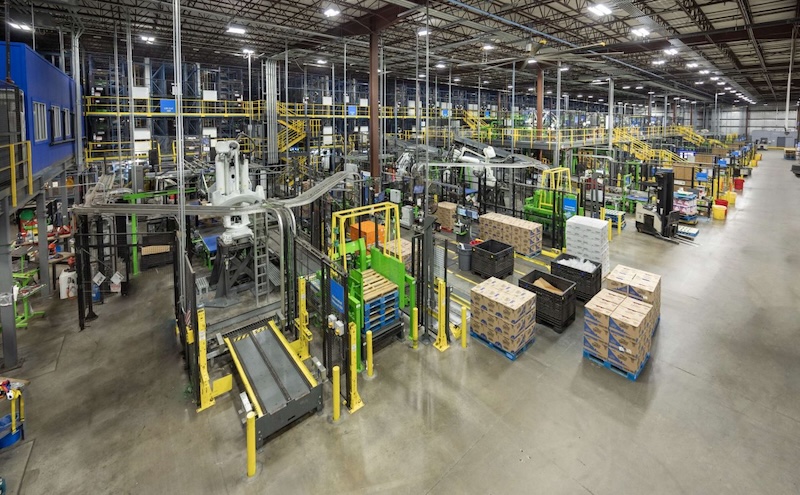
Symbotic and Walmart have announced an expanded tie up to bring automation capabilities to 25 US regional distribution centres.
www.retailtechinnovationhub.comWalmart and Symbotic have expanded their partnership to bring automation to 25 US regional distribution centers, with an initial commitment of about $6 billion over several years and room to extend across Walmart's global network.
Symbotic's solutions include BreakPack each-picking and SymMicro micro-fulfillment for e-commerce, with AI software orchestrating the movement of millions of cases. Walmart wants broader assortment, faster delivery and more reliable replenishment. Alongside Sparky at the discovery end, the investment after the order keeps growing.
Amazon absorbs freight inflation as shipping costs rise 11%
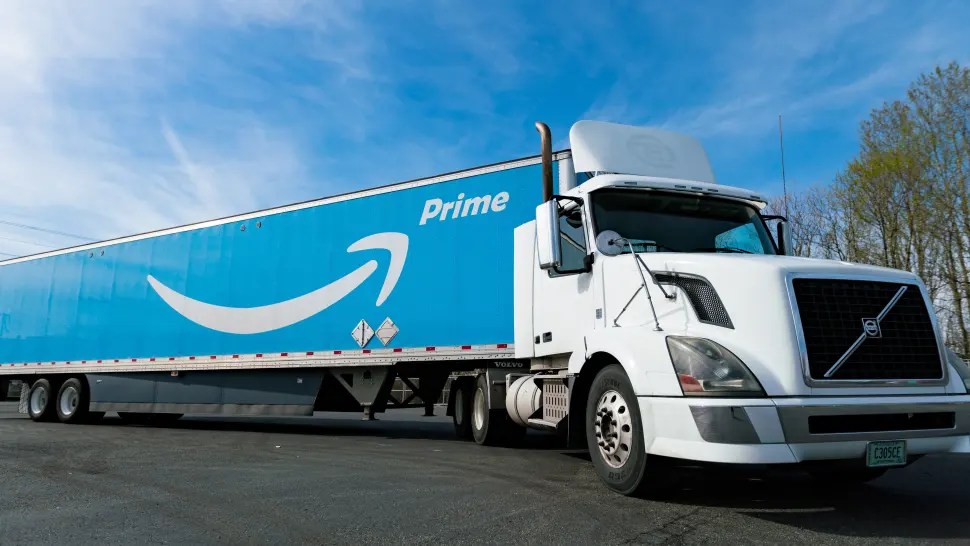
Amazon's logistics network absorbed higher fuel and linehaul costs in the third-quarter while delivering more than 1.5 billion items same-day or overnight.
www.freightwaves.comAmazon's shipping costs rose 11% year over year in the third quarter against 12% unit growth. Excluding fuel and linehaul inflation, shipping costs rose 8%. Quarterly revenue was $201.9 billion and operating income was $28.1 billion.
The company lowered its cost to serve through better inventory placement, shorter shipping distances and package consolidation. Jassy said transportation cost pressure is expected to continue into the fourth quarter, which makes logistics a factor in retail margins going into the holidays.
Consumer Trends
PYMNTS: Amazon captures 59% of AI-assisted purchases

Generative artificial intelligence (AI) is doing something that years of retail competition struggled to accomplish.
www.pymnts.comPYMNTS Intelligence data show Amazon accounts for 29% of online retail research starts but 49% of main purchase completions and 59% of consumers' most recent AI-assisted purchases. These are separate distributions, not a tracked funnel.
Roughly 132 million US adults have bought something with AI assistance and 58.4 million begin online retail research with an AI tool. Only 62.9 million would let an agent both shop and buy, and 36.8 million would let an AI application hold their card. AI may do the research, but purchases return to whoever already controls checkout and delivery.
US online food sales rose 15.5% while store sales fell 2.8%

Online food and beverage sales rose more than 15% during the four weeks that ended Oct. 4, while physical store sales were down almost 3%, Circana said.
www.grocerydive.comOnline food and beverage sales rose 15.5% in the four weeks ended October 4, according to Circana, while brick-and-mortar sales fell 2.8%. Overall sector sales were down by under 1%.
The trend matches results from traditional supermarket operators in a weak consumer environment, and the move online has not stopped. Read with Amazon's grocery growth and DoorDash's Instacart deal, it shows grocery at the center of online retail competition.
71% of Indian quick commerce users prioritize price, LocalCircles finds
LocalCircles found that 65% value product quality, while 60% say extra delivery, handling and small-cart fees raise their bills.
www.ndtvprofit.comA LocalCircles survey across 130 Indian districts found 71% of quick commerce users would choose the platform offering the best prices or value for festive purchases, with product quality next at 65%. It drew more than 204,000 responses.
Some 60% said delivery, handling or small-cart fees often push their bills higher than expected. Amazon Now was the most preferred platform for last-minute festive shopping at 22%. With fast delivery taken for granted, price transparency is becoming the competitive line.
BCG: APAC retailers put physical stores first for extra capital

APAC retailers continue to prioritise physical stores despite expected growth in online sales over the next three years.
asianbusinessreview.comAsia Pacific retailers would direct nearly a quarter of an additional 10% of capital to physical stores, the largest single category, according to a BCG report. Some 37% of retailers now generate more than 10% of sales online, a share expected to reach 61% within three years.
AI initiatives rank second, yet almost nine in 10 retailers spend less than 1% of revenue on the technology or do not track it. Close to seven in 10 expect AI to improve EBITDA or see it as a strategic imperative over the next three years. The gap between expectation and spend defines where Asian retail stands.
Online-born brands move into Australian stores
A wave of legacy retail brands have been shutting up shop, but e-commerce brands tapped into their consumer base are taking their place.
www.abc.net.auOnline-first fashion and beauty brands are moving into physical stores in Australia. Princess Polly has been opening on the Gold Coast and in Brisbane, and chief merchandise officer Courtney Dres says customers are asking for stores.
The move comes as legacy names falter, including the collapse of Mosaic Brands, owner of Katies. For brands that built their customer base online, vacated space is the next touchpoint. As in the BCG report, investment is no longer split neatly between online and stores.
Summary
The heaviest number in this edition is DoorDash's "several hundred." Together with Amazon's comments, it suggests outside agents are not yet moving orders at the big platforms, while companies are starting to report higher order values for first-party agents. Both companies have reasons to play down outside agents, however, and the MCP connector is brand new, so it is too early for a verdict.
This week's event to watch is Shopify's earnings on November 3. Results from the platform most open to outside agents will either support this reading or overturn it. How far and how fast Muse's connector features arrive in Singapore is worth tracking too.