
AI Commerce News Digest (October 29, 2026)
AI commerce news from October 26 to 28. A McKinsey survey of about 21,000 consumers found the AI purchase rate among US AI users rose from 10% to 17% in a year, and Chargebacks911 began indemnifying merchants against chargebacks on AI agent purchases. We also cover how Fanatics, Omnichat, Kuaishou and others are putting AI to work on the selling side.

Key Takeaways
- McKinsey finds US AI users buying through AI rose 70% in a year
- Chargebacks911 now indemnifies merchants for agent-purchase chargebacks
- The industry is moving to settle who is liable for agent transactions
This edition brings you three days of news, from October 26 through 28. A McKinsey survey of about 21,000 people in 11 countries found that the share of US AI users who completed a purchase inside an AI tool rose from 10% to 17% in a year, and that AI chat and search were named as the biggest influence on a recent purchase three times as often as traditional search engines. As agents shop more, the question of who pays for a mistaken purchase is becoming pressing: Chargebacks911 started indemnifying merchants for agent purchases, while US banks and payment firms voiced concern about the lack of rules. With tools for accepting agents taking shape, such as the Walmart Agent Gateway covered in the previous digest, attention is shifting to how disputes and protection are designed after the sale. On the selling side, tools that hand store work to AI also stood out, from Kuaishou's AI digital staff for merchants to Omnichat's agents that sell inside the chat.
Top Stories
McKinsey Survey: AI Purchase Rate Among US AI Users Rises From 10% to 17% in a Year
29% of AI shoppers say AI chat or search tools had the biggest influence on their most recent purchase, three times the share citing traditional search engines (9%), and more than retailers' platforms and AI assistants combined (21%), according to new McKinsey & Company research drawing on a survey of approximately 21,000 consumers in 11 markets.
retailtechinnovationhub.comOn October 28, McKinsey published the results of a consumer survey on agentic commerce, conducted in June 2026 among about 21,000 people in 11 markets including Japan. On average, 53% had used AI for shopping in the past three months. China (80%) and India (76%) led, while the US stood at 48% and Japan at 37%, the lowest of the 11 markets.
The key point is that AI is starting to move from a research tool to a place to buy. Among US AI users, the share who completed a purchase inside an AI tool grew from 10% in December 2025 to 17%, a 70% jump. Some 29% named AI chat or search tools as the biggest influence on their most recent purchase, far above the 9% who named traditional search engines.
For retailers, the telling finding is that the winners differ at the start and the end of the journey. For ideas and inspiration, stand-alone AI tools such as ChatGPT and Gemini are used almost twice as often as retailers' own AI assistants, but at checkout retailer assistants (15%) edge out stand-alone tools (14%), helped by the inventory, payment and delivery systems they already have. McKinsey also notes that AI searches connected to a retailer's product catalog convert at roughly twice the rate of those relying on scraped or outdated data. Being found by AI and feeding it accurate product data will both shape results this holiday season.
Chargebacks911 Indemnifies Merchants Against Chargebacks on AI Agent Purchases (Follow-up)

Chargebacks911 has launched indemnification for merchants against qualifying chargebacks on purchases by AI agents.
thepaypers.comOn October 27, Chargebacks911, a US dispute management company, launched an indemnification service for purchases made by AI agents. When a consumer later disputes a purchase completed by an agent they had authorized, the company covers merchants' losses on qualifying chargebacks.
The company uses its own AI, behavioral intelligence and dispute data to identify transactions involving agents and decide which ones qualify. The service runs as an add-on alongside existing fraud filters, with no changes to the checkout. Chargebacks911 had earlier warned that agent purchases would create a new type of dispute, and it has now turned its response into a product.
Ways to identify agents are taking shape through Visa's Trusted Agent Protocol and Mastercard's Agent Pay, but the burden when a purchase is disputed afterward has stayed with merchants. Founder and CEO Monica Eaton said agentic commerce should be an opportunity for merchants, not a category of transactions they must accept at their own risk. Whether merchants accept agents may come to depend as much on post-purchase protection as on identification.
Full article: Chargebacks911 Launches Indemnification for Merchants Against Chargebacks on AI Agent Purchases
Agentic Commerce
Fanatics Builds In-Stock "Shop the Look" With OpenAI Codex, Lifting Views of Recommended Items by 10%

Fanatics is using AI to help shoppers navigate more than 1.5 million items of sports merchandise, with a Shop the Look feature powered by OpenAI Codex.
www.cnbc.comFanatics, which sells licensed sports merchandise, said it used OpenAI's Codex to build "Shop the Look," a feature that suggests coordinated outfits on product pages. A shopper looking at a jersey is shown in-stock hats, socks and other items from the same team.
Fanatics carries more than 1.5 million SKUs at any time and adds upwards of a thousand new products a week, and shopping sessions averaged more than 30 minutes. Traditional curation through photo shoots cannot keep up with fast releases such as championship shirts. The Codex-built tool parses product and catalog data and reevaluates recommendations while keeping team and player alignment intact. After launch, views of recommended items rose 10%.
Team merchandise is the core of a commerce business that Fanatics expects to exceed $7 billion in revenue this year. It is a concrete example for retailers with huge catalogs of using AI to tie "what goes with this" suggestions to live inventory.
Full article: Fanatics Builds 'Shop the Look' with OpenAI Codex, Recommending In-Stock Outfits from 1.5 Million SKUs and Lifting Views 10%
Dubai Chambers Opens the First AI Agent Marketplace Run by a Chamber of Commerce
Dubai Chambers Launches World's First Agentic AI Marketplace by a Chamber of Commerce
www.businesswire.comOn October 26, Dubai Chambers launched Chamber AI Hub, a marketplace where businesses can pick and deploy ready-to-use AI agents. It describes the hub as the world's first agentic AI marketplace developed by a chamber of commerce.
The marketplace offers 22 agents across seven functions (compliance, procurement, operations, finance, sales, human resources and logistics), with plans to expand to 100. They handle tasks such as supplier evaluation, contract reviews, invoice matching and customer lead scoring. Companies can test agents in a sandbox with complimentary credits, and subscription packages are based on usage.
The launch is part of a two-year programme to help more than 295,000 private companies adopt agentic AI. A public body is backing the handover of everyday B2B work such as procurement and invoice processing to agents.
AI Commerce Tools
Omnichat Raises $10 Million Series A to Scale AI Agents That Sell Inside the Chat
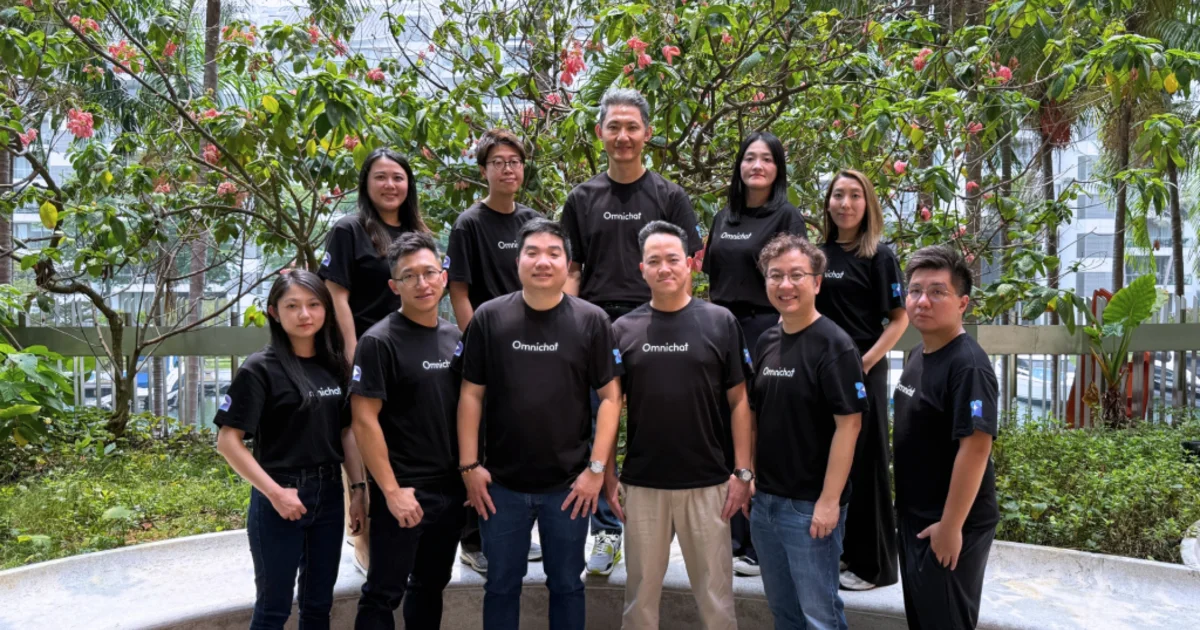
Omnichat, an AI-native marketing and customer experience platform, today announced a US$10 million Series A funding round led by Openspace Capital, with participation from Darwin Ventures and Acorn Pacific Ventures.
blog.omnichat.aiOn October 26, Omnichat, which provides a chat-based marketing and customer experience platform, announced a $10 million Series A round led by Openspace Capital, with participation from Darwin Ventures and Acorn Pacific Ventures.
The money will scale Omni AI Agents, launched in 2026. The suite covers a marketing agent that builds segments and campaigns, a sales agent that recommends products and closes orders in the chat, a customer service agent that works around the clock, and OmniClaw, which ties store-level revenue back to conversations. About 300 brands adopted OmniClaw within two months of its June launch. The agents run on WhatsApp, LINE, Instagram, WeChat, KakaoTalk, TikTok and more.
Clients include Dyson, FILA and Watsons, and Omnichat says it has helped 5,000 clients generate more than $100 million in revenue. CEO Alan Chan framed the round as a shift from conversational commerce to AI-driven commerce. Chat shopping, widespread in Asia, is moving toward selling without human staff.
Full article: Omnichat Raises US$10M: Inside the AI Agents That Sell Through LINE and WhatsApp Chats, and What It Means for Merchants
Kuaishou Adds AI Digital Staff for Merchants, Covering Store Diagnosis, Video, Livestreams and After-Sales (Follow-up)

Kuaishou's merchant workbench now offers a team of AI digital staff, from a virtual store manager to video, livestream and after-sales agents, that diagnose a shop and act for the merchant.
pandaily.comChinese video platform Kuaishou has added AI digital staff to the merchant workbench of Kuaishou Shop, its e-commerce storefront. They are aimed at small sellers who run a shop alone or part-time and are available around the clock.
Merchants ask in plain language, such as why traffic fell over the past seven days, and a central AI hub pulls in store data and platform rules and hands the task to one of eight roles. A virtual store manager diagnoses the whole shop and suggests moves such as new-customer conversion and product title fixes, while a video specialist picks products, generates clips and posts them automatically. There are also livestream, data, after-sales, customer service, fulfillment and compliance specialists.
The design is a closed loop of diagnosis, recommendation, execution and review. Kuaishou launched a shopper-facing AI assistant in July, and now it is the sellers' turn to hand work to AI. Coverage cites a tea supplier that has largely stopped hiring video editors.
Full article: Kuaishou Launches AI Digital Staff for Merchants: Eight Agents That Diagnose Stores and Run Video, Livestreams and After-Sales
Cover Genius Launches Protection Offers Inside AI Agent Conversations
Cover Genius has launched Agentic Embedded Protection for AI commerce platforms, designed to let AI agents offer protection within consumer conversations.
ecommercenews.com.auCover Genius, which embeds purchase protection into online checkouts, launched Agentic Embedded Protection, which lets AI agents offer protection within a conversation. It is the company's first product built specifically for agentic commerce.
The system takes context from the agent's session, such as a high-value retail purchase or a cross-border shipment, and returns a relevant protection offer with pricing and regulatory disclosures inside the chat. Platforms can include protection automatically or ask the user to approve it. In the company's research, 78% of consumers were open to agents making purchases for them, but fewer than 7% wanted an agent to select and buy paid protection on its own.
The design assumes that the agent recommends and the person approves. Whether reassurance can be offered right before purchase will affect conversion in conversational commerce.
Fast Simon Adds Merchant Controls and Previews to AI Product Ranking for Shopify Brands
Fast Simon launches Commerce-Native AI for Shopify brands, with merchant exclusions, inventory and campaign rules, AI-ranking blending and personalization previews.
opentools.aiOn October 27, Fast Simon, a provider of on-site search and product discovery, announced Commerce-Native AI for Shopify brands. It adapts product rankings and recommendations in real time as shoppers browse and interact.
The ranking weighs new arrivals, inventory, promotions and brand priorities, not just the likelihood of a click. Merchandisers set product exclusions, campaign priorities, inventory requirements and editorial placements, and choose how much AI ranking to blend in. Teams can see which signals drive a product's position and preview the results before they go live. It also works for first-time visitors without a login.
Fast Simon describes it as a shared layer across collections, recommendations, search and shopping-agent experiences. Controls that keep a merchant's strategy intact while AI runs the shelf are becoming a condition for adoption.
Virid Launches MCP Connector That Lets Retailers Run Their Stores From Claude or ChatGPT

Virid, the Unified Commerce Solutions provider, today announced the launch of the marketAgility MCP Connector, a new integration that connects marketAgility stores to leading AI platforms.
www.prnewswire.comOn October 28, US commerce platform provider Virid launched the marketAgility MCP Connector, which links stores on its marketAgility platform to AI platforms such as Anthropic's Claude and OpenAI's ChatGPT through MCP (Model Context Protocol).
Once connected, users can search, create and update products, customers, inventory, promotion codes and more in natural language instead of the admin dashboard. A request such as "Create a new promotion code for 15% off, expiring at the end of the month" is carried out after the user reviews the proposed change. Orders, carts and per-site inventory are read-only. Authentication uses OAuth 2.1, and no API tokens are needed for setup.
Mid-sized retailers can now run their stores from an AI assistant without building anything themselves. The shift from admin screens to conversations with AI is spreading beyond the largest platforms.
Live2.ai Raises Rs 130 Crore to Build AI Agents That Turn Social Conversations Into Sales
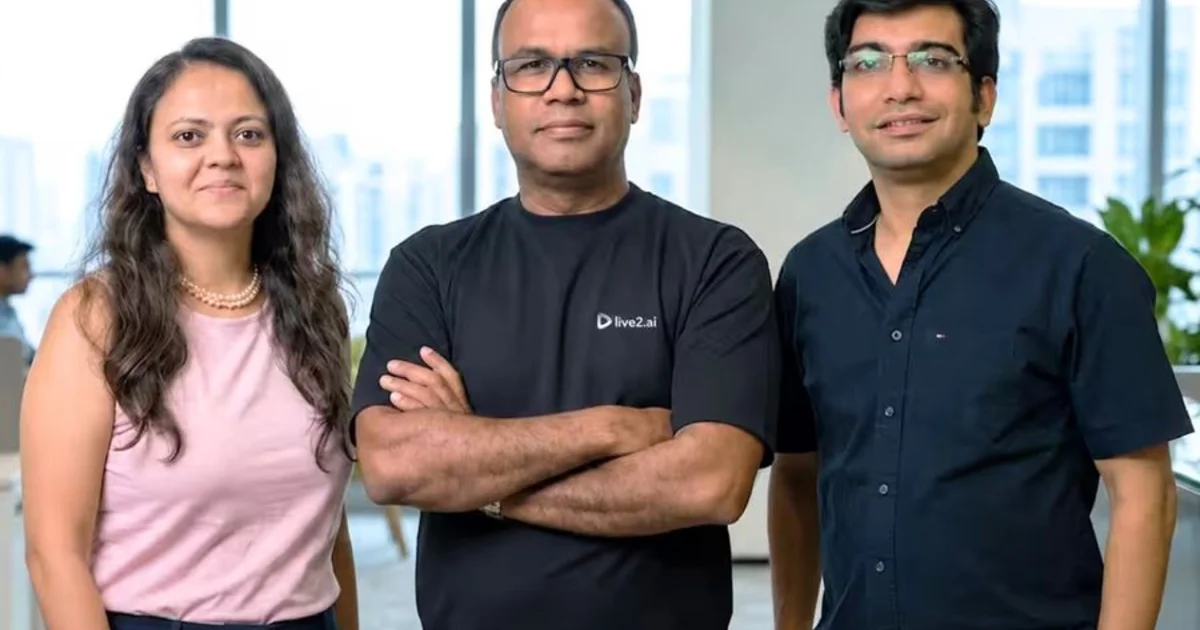
Bengaluru-based Live2.ai has raised Rs 130 crore (about $14 million) in a pre-Series B round led by IvyCap Ventures, with a secondary component giving early shareholders partial liquidity.
indianstartupnews.comOn October 27, Bengaluru-based Live2.ai announced that it had raised Rs 130 crore (about $14 million) in a pre-Series B round led by IvyCap Ventures.
The company tracks what consumers say about brands on Instagram, TikTok, YouTube, Reddit and other platforms and turns that content into marketing and sales. It offers eight AI agents covering tasks such as trend spotting, crisis detection and influencer intelligence, and content cleared for commercial use can be turned into shoppable experiences on brand websites and marketplaces.
More than 200 brands use it, including Shiseido and Henkel's Schwarzkopf. Revenue grew fourfold in the past 12 months, with 90% coming from outside India. The aim is to connect the path from social discovery to purchase through agents.
Strawberry Launches a Platform for Sales and Support Teams to Build Their Own AI Colleagues

Strawberry, a startup with $6 million in funding from EQT and General Catalyst, has launched 1.0 of its AI agent platform built for non-technical teams, such as sales, recruiting, customer support and marketing.
www.retailtechinnovationhub.comStockholm-based startup Strawberry launched version 1.0 of its AI agent platform for non-technical teams such as sales, recruiting, customer support and marketing. It has raised $6 million from EQT and General Catalyst and plans a Series A round next.
Users create AI colleagues called companions. The product works as a browser where a team's context, workflows and logins already live, so a companion learns how the team works over time. A companion trained by one person can be shared with the whole team, and the product is free to try.
In retail and e-commerce too, tools are multiplying that let customer service and marketing staff build agents without developers. It is another sign that the browser is becoming the place where AI does its work.
Shopify Moves Knowledge Base, the Store Facts Supplied to AI Agents, Into Admin
Shopify Knowledge base moves into admin. See which merchant facts were migrated and published, the 1,000-fact boundaries and the January 15 app deadline.
opentools.aiOn October 26, Shopify moved Knowledge base, which manages the store facts supplied to AI agents, into the admin under Sales channels, Agentic. The standalone Knowledge Base app will no longer be available after January 15, 2027.
Merchants can review, edit and publish facts such as contact details and gift services. Shopify drafts facts from the store's published storefront pages, with each fact linked to its source, and these drafts stay unpublished until the merchant publishes them. For stores with fewer than 1,000 facts in the old app, facts the merchant wrote or edited have been moved and published. Stores with more than 1,000 facts were not migrated and need to add the facts they want to keep before the deadline.
How a store describes itself to AI agents is now built into the admin as an item to manage alongside product data. Getting policies such as returns and shipping right is becoming a prerequisite for selling through agents.
Payments and Fintech
Mastercard Calls Agent Shopping a "Turning Point," With Micropayments via x402-Based Agent Pay
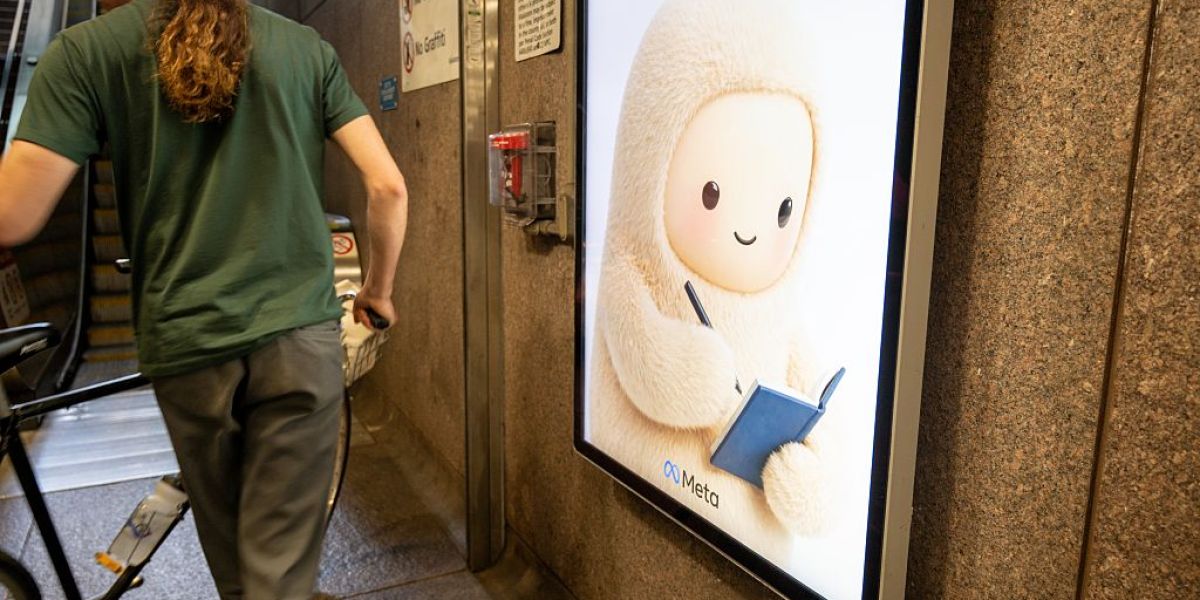
The sudden emergence of personal agents like Muse is a 'turning point' for agentic commerce, Mastercard's Head of Product says.
fortune.comMastercard's Head of Product, Jorn Lambert, told Fortune that agentic commerce is at a turning point and rapidly approaching real adoption. A year ago, he and others expected protocols such as MCP and ACP, which require some technical skill, to be its pillars, but the sudden spread of mass-market personal agents such as Meta's Muse has made that assumption outdated.
Mastercard has rolled out Agent Pay, which lets agents pay not only retailers but also government services such as parking tickets. It is built on x402, the payment protocol Coinbase revived, an open messaging standard that can carry credit, debit, stablecoins or whatever payment method both parties agree on.
Another major change is that micropayments of a few dozen cents become practical. The article expects more pay-as-you-go offerings to replace demands for monthly subscriptions. In June, Mastercard also announced Agent Pay for Machines, its machine-to-machine payment infrastructure.
US Banks and Payment Firms Warn That Agent Shopping Lacks Liability Rules
Some banks and other payment players lament how agentic commerce has steamrolled ahead without 'rules of the road' for liability issues.
www.paymentsdive.comConcern is growing among US banks and payment firms over who is liable when AI agents shop. According to Payments Dive, Cameron Fowler, CEO of Early Warning Services, which runs Zelle and Paze, cited a red coat his son bought through Meta's Muse in the wrong size and asked who is liable for that.
PNC CEO Bill Demchak sharply criticized tech companies at Money20/20 on October 19, saying a massive liability shift would be needed. Wells Fargo warned customers by email that if they give an AI tool their username and password, they may be liable for its mistakes. Stripe and American Express have announced purchase protection for agent transactions, but Fowler said rules from a couple of players are not enough.
In the card world, chargeback rules have divided liability, but those levers do not reach agent platforms outside the ecosystem. Google's head of payments expects a move to more standardized infrastructure in the coming weeks and months.
Visa Expects Its AI Partners to Double to About 100 in Months, Calls Trust the Biggest Barrier
Visa expects its roster of nearly 50 artificial intelligence partners in production to double in the coming months, as it prepares to handle purchases that consumers and businesses delegate to software.
www.pymnts.comOn its October 27 earnings call, Visa said it expects its nearly 50 AI partners in production to double in the coming months. CEO Ryan McInerney said trust is the biggest barrier to scaling agentic commerce, and described work to identify an agent, connect it to a customer and confirm that its spending follows the customer's instructions.
He cited B2B payments such as automated bill payment and invoice settlement as an early application. Tokenization is the foundation: more than half of available credentials and over 60% of e-commerce transactions are already tokenized. Visa's credential base reached 5.2 billion, and net revenue for the July to September quarter rose 13% to $12.1 billion.
Visa will keep investing in tokenization, agentic commerce and stablecoins in fiscal 2027. The network is moving to own the standard for linking cardholders to their agents.
American Express Looks to Shape Where Consumers Shop Through AI, Continues Building Agent Payment Infrastructure
American Express is expanding its AI commerce strategy through OpenAI integrations, restaurant discovery and agentic payments. Its third-quarter earnings call reveals ambitions that could reshape how Canadian retailers attract customers, manage payment relationships and measure the value of emerging shopping channels.
retail-insider.comOn its October 23 earnings call, American Express Chairman and CEO Stephen Squeri outlined work with OpenAI, personalized recommendations and technology to support purchases by AI agents. This includes restaurant discovery and reservations through ChatGPT and plans to make American Express Offers available on the platform.
For agent purchases, its Agentic Commerce Experiences developer kit and Intent Intelligence Framework address customer authorization, purchase instructions and payment credentials. Management acknowledged, however, that agentic transaction volumes remain small.
Canadian trade publication Retail Insider argues that surfacing cardholder benefits at the recommendation stage would let Amex influence which merchant is chosen, not only how the customer pays. For retailers, it could mean yet another intermediary in customer acquisition.
European Payment Firms Form a Council for Agentic Commerce, Pushing for Local Payment Methods

Artificial intelligence agents are poised to shoulder a larger role in retail, prompting the payments industry to prepare for their growing use in commerce.
www.paymentsjournal.comEuropean payment players have formed a new industry body, the Local Payments Council for Agentic Commerce. Founding members include the UK's PPRO, Poland's BLIK, Belgium's Bancontact, the European Payments Initiative, which developed the EU-wide wallet Wero, and Greece's national clearing house DIAS.
The council aims to set standards for how users authorize agents and how banks verify them. It also plans to address how agents identify merchants and how disputes and refunds are handled.
What sets it apart from other initiatives is its focus on building domestic European payment methods into agentic commerce from the start. If agents choose payment methods as well as products, the concern is that they may drift toward cards or stablecoins that are easier to integrate.
lululemon Adds Shopify's Shop Pay to Its US and Canadian E-commerce Sites

lululemon has announced the addition of Shopify's Shop Pay solution to its Canada and US e-commerce sites.
retailtechinnovationhub.comAthletic apparel brand lululemon announced that it has added Shopify's Shop Pay to its US and Canadian e-commerce sites. Shoppers get one-tap checkout, saved payment and shipping details, and order tracking in the Shop app.
Nick Engel, SVP Global Digital Experience at lululemon, said it gives guests a familiar, trusted way to complete a purchase and takes one more step out of the path to getting what they came for. Shopify stressed that lululemon can offer it on top of its existing infrastructure.
It is an example of a major brand with its own e-commerce stack adopting only Shop Pay from outside the Shopify platform. A checkout used by hundreds of millions of shoppers is spreading independently of the storefront.
Taobao Adds PromptPay at Checkout in Thailand

Thailand has become the fastest-growing market by user base among all multilingual overseas markets of Alibaba e-commerce arm Taobao Tmall World.
www.bangkokpost.comAlibaba's Taobao has added PromptPay to its checkout in Thailand. According to the Bangkok Post, Thailand has become the fastest-growing market by user base among all the multilingual overseas markets of Taobao Tmall World.
PromptPay is Thailand's widely used instant payment system, often used through QR codes. For cross-border e-commerce shipping directly from China, supporting the payment method people use every day removes one more barrier to purchase.
Corporate Moves and Partnerships
L Catterton Makes Strategic Investment in AI Shopping Agent Glance (Follow-up)

L Catterton invests in Glance, the AI-powered personal shopper looking to transform e-commerce by offering virtual try-ons and smart shopping.
wwd.comConsumer-focused private equity firm L Catterton has made a strategic investment in Glance, the AI shopping agent run by a subsidiary of InMobi. The amount was not disclosed. Global CEO Scott Dahnke said agentic commerce will be among the most consequential shifts in consumer behavior.
Glance remembers users' preferences, looks for the right products and good prices, and shows virtual try-ons before asking for approval to buy. Beyond its app, partnerships with Samsung, Android TV and DirecTV make it available on more than 60 million devices in the US. Founder and CEO Naveen Tewari said Glance has 10 million monthly active users in the US, who make about 120 shopping prompts a month, and almost 15% buy something each month.
Like affiliate marketing, Glance takes a share of the sale price, and charges brands for deeper training. Following its PayPal native checkout integration this month, it will use the new money to train its model faster and scale.
Etsy Grows Active Buyers for the First Time in Two Years, Balancing AI With Human Creativity
The e-commerce marketplace saw active buyers in Q3 grow for the first time in two years and is utilizing AI to improve product recommendations.
www.retaildive.comOn October 28, handmade marketplace Etsy reported third-quarter results. Gross merchandise sales rose 8.8% year over year to $2.6 billion and revenue grew nearly 11% to $692.5 million, while active buyers grew for the first time in two years to about 88 million. Etsy also raised its full-year GMS outlook to growth of about 7%.
CEO Kruti Patel Goyal said AI will fundamentally change how people discover and shop and that Etsy is leaning into that change. The company launched a beta seller assistant and is expanding its gifting tools. At the same time, new rules ban AI-generated functional guides such as patterns and recipes and require at least one real product image in each listing.
Etsy's view is that as AI makes products easier to create and replicate, human creativity matters more. Using AI for discovery while keeping AI-generated goods from flooding the marketplace is a line marketplaces now have to draw.
Advertising and Retail Media
Google Pitches Itself as a Commerce "Matchmaker" That Gets Brands Into AI Recommendations

The search giant wants to control how people discover new brands.
www.adweek.comAs AI agents become central to product discovery, Google is selling itself as a critical partner for brands that want to show up in recommendations. According to Adweek, it positions itself as a matchmaker between shoppers and brands rather than a retailer.
Google announced the Universal Commerce Protocol (UCP) for agent shopping in January, and this month it launched Universal Cart on the Gemini app and Search in the US. Consumers may not need to visit retailers' websites to shop, while retailers remain responsible for core functions such as fulfilling orders.
For retailers, fewer visits to their own sites mean that product data and advertising for being chosen on Google's surfaces matter more. The fight over who controls discovery is shifting from search ads to recommendations inside conversations.
Consumer Trends
Deloitte Survey: Only 16% of Consumers Trust AI to Complete Holiday Purchases

Few consumers trust agents to purchase on their behalf, surveys suggest
www.adweek.comIn a survey of 4,000 US consumers conducted by Deloitte in August and September, only 16% said they trust AI agents to complete purchases for them, Adweek reports.
Some 66% said they worry about how AI assistants use their data, though 37% said they are more comfortable using agents than they were six months ago. Other surveys conducted ahead of the holiday season also show consumers are hesitant about agentic shopping.
Retailers are rushing to prepare for agents, but it will take time for consumers to give up control. McKinsey's survey likewise shows purchases inside AI tools are still a minority, so "research with AI, buy yourself" will remain the main pattern for now.
50 Korean Consumer Companies Test Products With AI-Generated Synthetic Shoppers

Intellicia reports a 91.2 percent correlation with human surveys as brands replace traditional consumer panels.
retailnews.asiaSouth Korean retailers and consumer brands are using AI-generated synthetic shoppers to test products, pricing and store layouts in advance. Technology vendor Intellicia has completed 120 proof-of-concept projects across 50 consumer companies and reports a 91.2% correlation with a benchmark survey of 500 human shoppers.
Lotte Members built an "AI Twin Consumer" that combines purchase histories of 45 million loyalty members with online commentary, letting merchandisers test reactions to new packaging or prices directly. Coupang and Naver use synthetic buyers to find where online shoppers abandon baskets, and BGF Retail, operator of the CU convenience chain, uses them to test store layouts.
Synthetic panels save the weeks needed to recruit human groups, but if the underlying data misses shifts in disposable income, simulated demand will mislead buyers. AI is now being used not only on the shopper side but in the decisions of those who make products.
Global E-commerce Trends
Kroger Aims for E-commerce to Reach 30% of Its Business, With Fresh, Fast and AI
Chief e-commerce officer expects grocer’s digital marketplace will eventually account for 30% of its business
progressivegrocer.comAt its October 20 investor update, US grocer Kroger put e-commerce at the center of its growth plans. It expects its $18 billion e-commerce business to add $500 million in EBITDA by 2029, excluding retail media. Chief E-Commerce Officer Nate Faust, a co-founder of Jet.com, expects e-commerce to eventually account for 30% of the business.
The strategy rests on three pillars: fresh, fast and personal. Kroger will focus on top-quality perishables and ultra-fast delivery, using its network of about 2,700 stores. Its AI shopping assistant now runs across all banners and can build a dinner plan around a family's tastes, dietary needs and budget. Users who return to it spend 11% more.
About 95% of sales are linked to loyalty cardholders, yet only one in seven store customers also buys groceries online from Kroger. The company plans to simplify online sign-up and grow e-commerce and retail media together.
India's Meesho Narrows Its Quarterly Loss as Orders Rise 17%

Indian online marketplace Meesho reported a narrower second-quarter loss on Wednesday, aided by rising orders and higher income from sellers paying to advertise on its platform.
www.reuters.comOn October 28, Indian value marketplace Meesho reported results for the July to September quarter. Its consolidated net loss narrowed to 1.32 billion rupees ($13.9 million) from 4.11 billion rupees a year earlier.
Revenue from operations rose 34% year over year to 41.32 billion rupees, helped by stronger ad revenue from sellers. Net merchandise value grew 23% to 129.11 billion rupees, and orders rose 17% to 819 million. Meesho has been expanding into smaller cities and towns while lowering delivery costs.
Competing with Amazon and Walmart-owned Flipkart, Meesho is improving its economics through advertising. Its shares, listed last December, are up about 26% this year.
Delivery Hero Tops One Billion Quarterly Orders for the First Time, Raises Full-Year Guidance
Always delivering an amazing experience.
www.deliveryhero.comOn October 28, German delivery platform Delivery Hero published its Q3 trading update. Orders grew 11.5% year over year on a like-for-like basis to 1,001 million, the first quarter above one billion. GMV rose 13.6% to €13.9 billion and revenue 22.0% to €4.3 billion, and the company raised its full-year guidance across all key metrics.
Quick commerce, which delivers groceries and household goods within a short time, drove growth. Its GMV rose 39% and now makes up 19% of the group total. Delivery Hero opened close to 90 Dmarts, small warehouses for delivery within minutes, in 2026, bringing the total to about 900. Subscribers generated 51% of GMV.
Uber's takeover offer is open for acceptance through November 5, with closing expected in the second half of 2027. The numbers show rapid delivery spreading from restaurant meals to everyday shopping.
Carrefour's E-commerce Grows 18% in Q3, but Financial Targets Are Cut Ahead of Year-End

Carrefour affiche +18% pour le e-commerce au T3 2026 et +2,3% à magasins comparables, mais revoit ses objectifs financiers pour la fin d’année.
www.ecommerce-nation.frFrench retailer Carrefour grew e-commerce 18% at group level in the third quarter, and 15% in France. Sales reached €22.78 billion, with like-for-like growth of 2.3%. In France, both Drive (online order, store pickup) and home delivery gained share.
Carrefour is also digitizing stores, with 28 French hypermarkets now equipped with Vusion, which combines electronic labels and cameras to detect out-of-stocks and pricing errors with AI. However, citing weaker traffic at some urban stores and higher security and logistics costs in France, it lowered its operating margin and earnings-per-share targets and cut planned capital spending from €1.7 billion to €1.6 billion.
The results show that e-commerce growth does not translate directly into profit. How far delivery and pickup costs can be contained will be a focus of the holiday season.
EU to Charge a €2 Handling Fee on Non-EU Parcels From November 1, on Top of July's €3 Duty

The handling fee comes on top of the €3 duty imposed in July on small packages worth less than €150.
www.freemalaysiatoday.comFrom November 1, the EU will charge a €2 handling fee on packages sent directly to consumers from outside the bloc. It comes on top of the €3 duty introduced in July on small parcels worth less than €150, and starts just before Black Friday and the Christmas rush.
The fee applies to each type of item in a package: 10 T-shirts cost €2, while two hats and 10 T-shirts cost €4. Marketplaces such as Amazon, AliExpress and Temu, along with sellers, pay the fee rather than consumers, though they can pass it on through prices. Nearly six billion small packages entered the EU last year, 93% of them from China.
Since the €3 duty began in July, imports of small parcels have fallen by about 64%. The €2 fee is permanent, while the €3 duty runs until July 1, 2028.
EU Accepts Temu's Action Plan After €200 Million Fine Over Illegal Products

The European Commission has officially accepted a corrective compliance roadmap submitted by cross-border e-commerce platform Temu. The move follows a landmark €200 million fine levied against the company.
www.thenews.com.pkThe European Commission has accepted the plan submitted by Temu to remedy its breaches of the Digital Services Act (DSA). In May, the Commission fined Temu €200 million for not doing enough to stop the sale of illegal and unsafe products.
The plan rests on five measures: risk analysis tailored to a high-volume discount marketplace, metrics for how effectively illegal listings are removed, stronger content moderation, scrutiny of recommendation algorithms so they do not promote unsafe items, and defenses against loopholes used by bad-faith sellers. Temu has four months to carry out an interim risk assessment.
A Temu spokesperson welcomed the approval. The fact that what recommendation algorithms promote now falls under regulation is relevant to any business that recommends products with AI.
PolyShell Flaw in Adobe Commerce Used to Breach Hundreds of Stores, CISA Warns

CISA adds exploited Adobe Commerce and Google Brotli flaws to its KEV catalog as attackers breach stores and target vulnerable decoders.
thehackernews.comThe US Cybersecurity and Infrastructure Security Agency (CISA) added CVE-2026-48356, a flaw in Adobe Commerce and Magento known as PolyShell, to its Known Exploited Vulnerabilities catalog. It allows unrestricted upload of dangerous file types and could lead to arbitrary code execution, with a CVSS score of 9.3.
Security firm Sansec said attackers have used the flaw to breach hundreds of e-commerce stores and inject a malicious loader via a Magento CMS block. The activity appears to have been ongoing since at least July 2025, but the campaign's final goal is still unclear. A flaw in Google's Brotli compression library was added to the catalog at the same time.
US federal civilian agencies have until November 10 to apply fixes. Ahead of the holiday season, merchants running Adobe Commerce or Magento stores need to patch quickly and check for suspicious CMS blocks.
Logistics and Fulfillment
Amazon to Deploy 3,000 Electric Trucks in India, the Largest by an E-commerce Company There

American e-commerce giant Amazon has announced plans to deploy 3,000 electric trucks in India. This will be the largest electric-truck deployment from an e-commerce company in the country.
www.electrive.comAmazon announced plans to deploy 3,000 electric trucks made by Tata Motors in India, the largest such deployment by an e-commerce company in the country. The first 20 units were delivered on October 27. Amazon's carrier partners will buy and operate the trucks, letting Amazon electrify its transport without a major investment.
The trucks will first run between facilities in Delhi during the festive season, when freight volumes peak. In the next phase, they will be deployed on National Highway 48, India's longest freight corridor at about 2,800 kilometers from Delhi to Chennai, with charging infrastructure set up with commercial-vehicle charging specialist Yahhvi.
Amazon already runs more than 15,000 EVs across over 500 cities in India. The move extends electrification from the last mile to middle-mile transport between facilities.
Hyundai Glovis Partners With Shopee to Handle End-to-End Logistics for K-Beauty Cross-Border Sales

The logistics specialist aims to raise non-affiliated business to 40 percent of total revenue by 2030 through cross-border K-beauty fulfillment.
retailnews.asiaOn October 26, Korean logistics company Hyundai Glovis announced a partnership with Shopee Korea and began handling the full supply chain for Korean cosmetics brands expanding abroad. Shopee has about 700 million users across Southeast Asia, Taiwan and Brazil.
Merchants get a single service point covering domestic pickup in Korea, air and ocean line-haul, customs clearance, in-country regulatory filings and destination fulfillment. Previously, brands contracted separate providers for domestic trucking, international freight and local delivery, which caused handoff delays and customs bottlenecks.
Hyundai Glovis, long focused on car hauling, aims to raise non-affiliated business to 40% of revenue by 2030. The service starts with Southeast Asia and will extend to Brazil and other Latin American markets once operations stabilize.
Summary
These three days brought a run of news showing that AI agent shopping has moved from experiments to numbers. McKinsey found that purchases through AI among US AI users rose 70% in a year, and Mastercard's product chief said adoption is at a turning point. Yet Deloitte found only 16% of consumers trust agents to complete purchases, leaving a gap between interest and trust.
The key to closing that gap appears to be how liability is shared. Chargebacks911's indemnification, Stripe's and American Express's purchase protection, and Cover Genius's in-chat protection offers all appeared at once as ways to decide who bears losses after the sale. US bank leaders are calling for industry-wide rules, and in Europe payment firms have formed a council.
On the selling side, tools that hand store operations to AI multiplied, from Kuaishou's AI digital staff and Omnichat's sales agents to Virid's MCP connector and Shopify's Knowledge base in the admin. The EU's parcel fee starts in November as the holiday season gets underway. The test is whether merchants can settle how returns and disputes on agent orders will be handled before the rush begins.